The 3D scanning range of a 3D scanner directly determines its application suitability, accuracy, and level of detail. Selecting the correct range ensures efficient data capture while maintaining the required precision for downstream engineering, inspection, or design tasks.
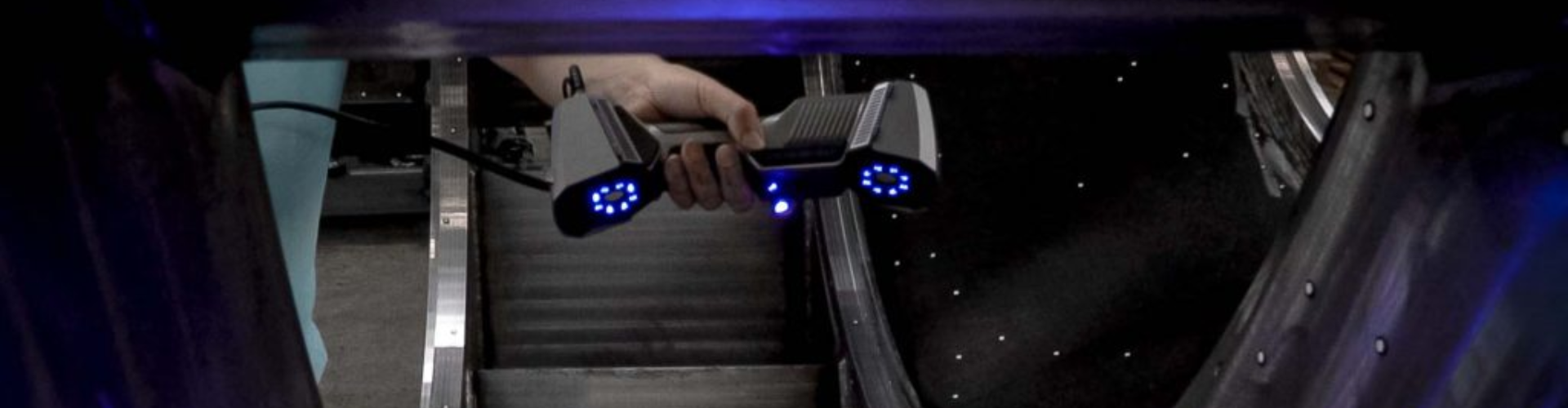
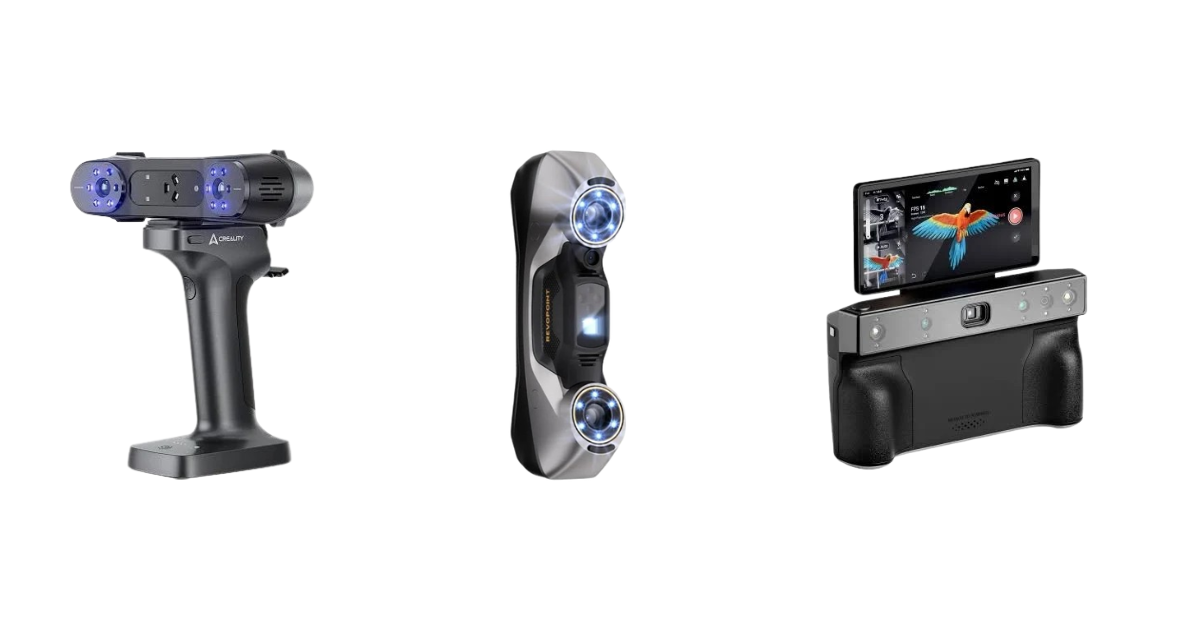
Short range 3D scanners are engineered for applications where maximum accuracy and fine feature capture are essential. They are best suited for tasks that demand high dimensional precision and detailed surface resolution, such as 3D scanning small and intricate components. They typically offer a field of view ranging from about 86 × 115 mm to 144 × 192 mm, enabling precise capture of fine geometries and surface details with very high resolution. These 3D scanners commonly use white structured light or blue structured light or laser triangulation technologies to achieve high precision, with accuracy levels typically ranging from 0.005 mm to 0.1 mm.These 3D scanners are widely used in pharmaceutical and medical machinery for precision reverse engineering of mechanical parts, and quality inspection and metrology, where even minor deviations can impact performance, fit, or compliance.
Industrial CT scanning also fall within the short range category for certain applications, especially when inspecting short sized components such as castings, assemblies, or engine parts, while providing extremely high internal inspection accuracy ranging from a few microns up to about 50 microns. Their key advantage is portability and the balance between 3D scanning speed, coverage, and dimensional accuracy, making them suitable for applications like product design, reverse engineering, industrial inspection, and digital modeling of short scale objects.
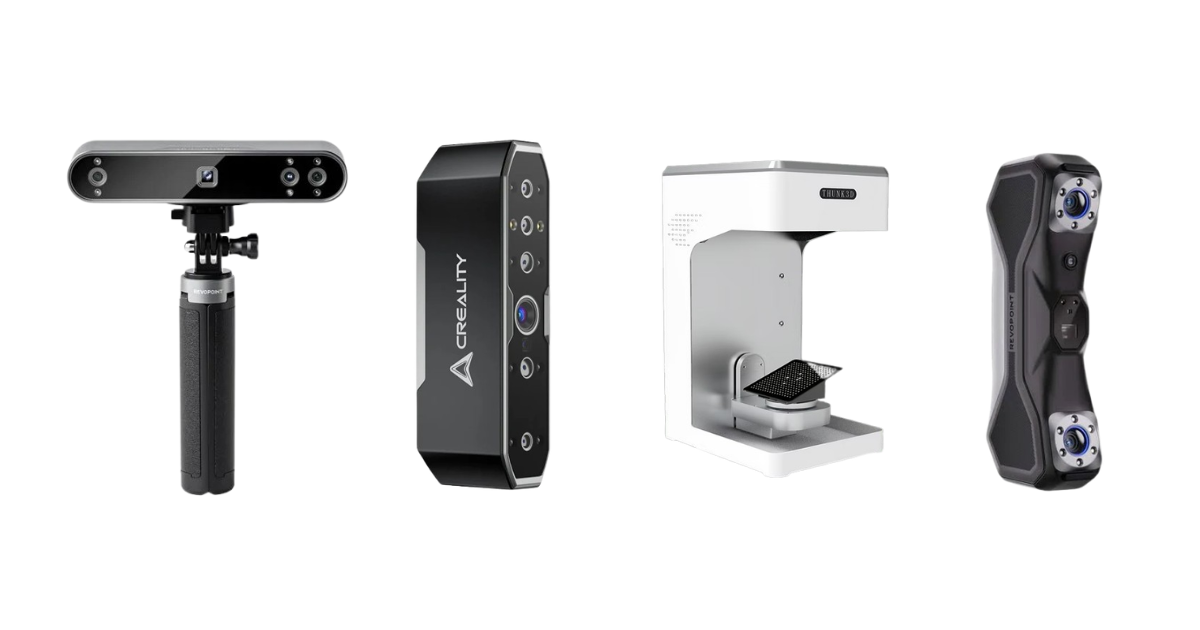
Medium range 3D scanners are designed to bridge the gap between high precision short range scanners and long range systems, they generally provide a field of view (FOV) ranging from approximately 300 × 300 mm up to 1000 × 1000 mm, allowing efficient capture of larger objects. These 3D scanners are ideal for capturing medium sized objects such as automotive components, furniture, human bodies, and industrial machinery, while maintaining a balance between 3D scanning coverage and accuracy. They generally provide sub millimeter to low millimeter accuracy, typically ranging from 0.02 mm to 0.5 mm, depending on the system and 3D scanning conditions. Medium range 3D scanners commonly use structured light or hybrid technologies such as infrared combined with structured light, enabling faster data capture while maintaining reliable measurement precision.
Industrial CT measuring is also widely used for high precision inspection of small and complex components. Unlike surface scanners, Industrial CT enables nondestructive internal and external measurement, allowing designers to analyze internal geometries, wall thickness, porosity, and assembly structures without disassembling the part.
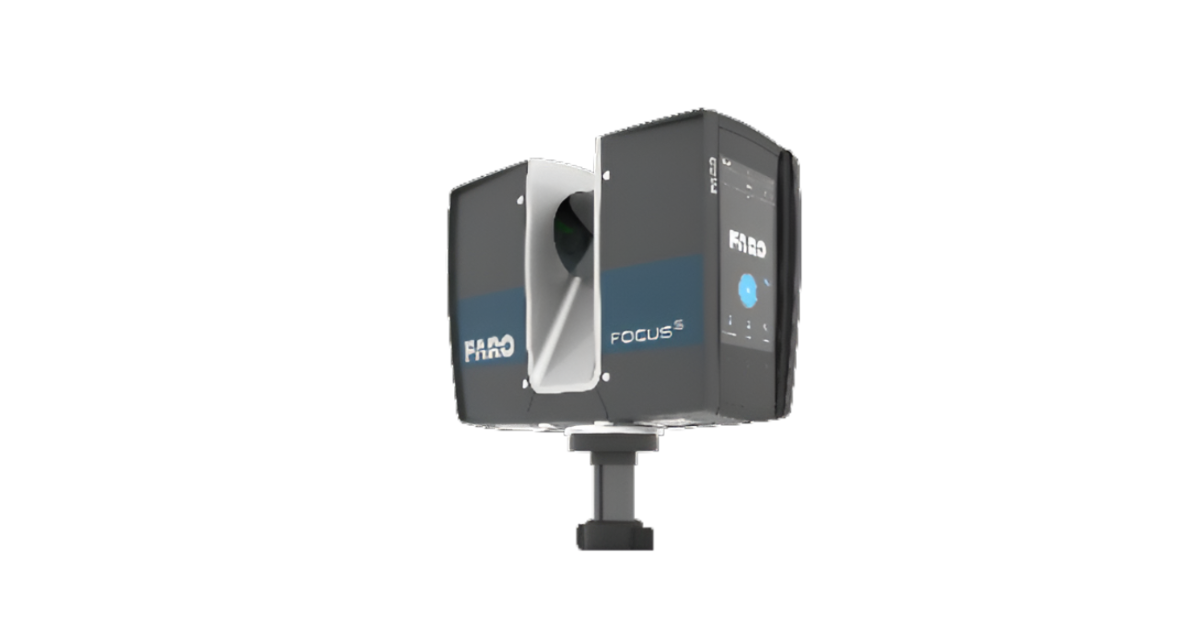
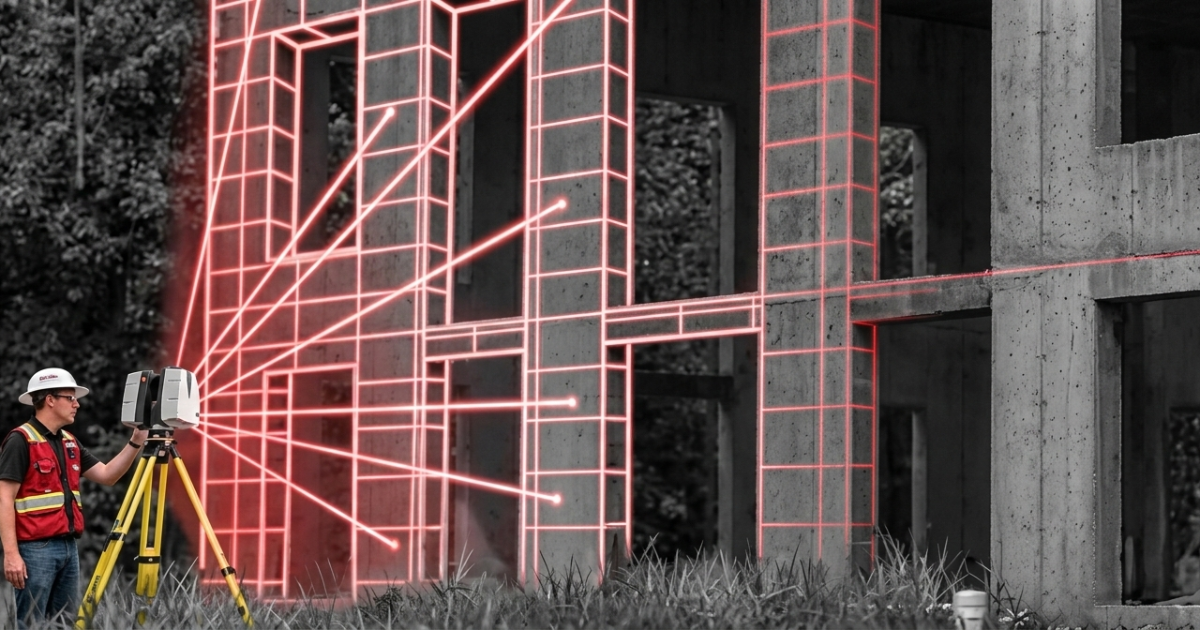
Long range 3D scanners are designed for capturing large scale objects, environments, and infrastructure, these scanners often use a 360° horizontal and 300° vertical field of view to scan ranges up to 350 m. These 3D scanners generally use Time of Flight (ToF) or phase shift laser technology (LiDAR) to capture large structures such as buildings, factories, aircraft, bridges, and terrain, generating detailed point cloud data compatible with 3D CAD , as-built documentation services , 3D scan to 3D CAD and BIM platforms. In terms of dimensional compatibility, long range scanners usually provide millimeter level accuracy at closer distances and centimeter level accuracy for very large scenes.
For example, the Artec Ray II operates with about 1.9 mm accuracy and typically provides a 360° horizontal × 300° vertical field of view (FOV), enabling comprehensive capture of large environments. The FARO Focus S 350 offers a range of up to 350 m with around 2 mm accuracy at 10 m and a 360° × 300° FOV, making it suitable for BIM documentation and factory layout 3D scanning. Similarly, the Leica RTC360 provides high-speed 3D scanning up to 130 m with 1 to 2 mm accuracy and a 360° × 300° field of view, widely used in construction, infrastructure inspection, and industrial facility mapping.
These long-range 3D scanners are commonly applied in site surveys, plant engineering, shipyards, mining, and large infrastructure projects, where capturing accurate dimensional data across large areas and long distances is essential.
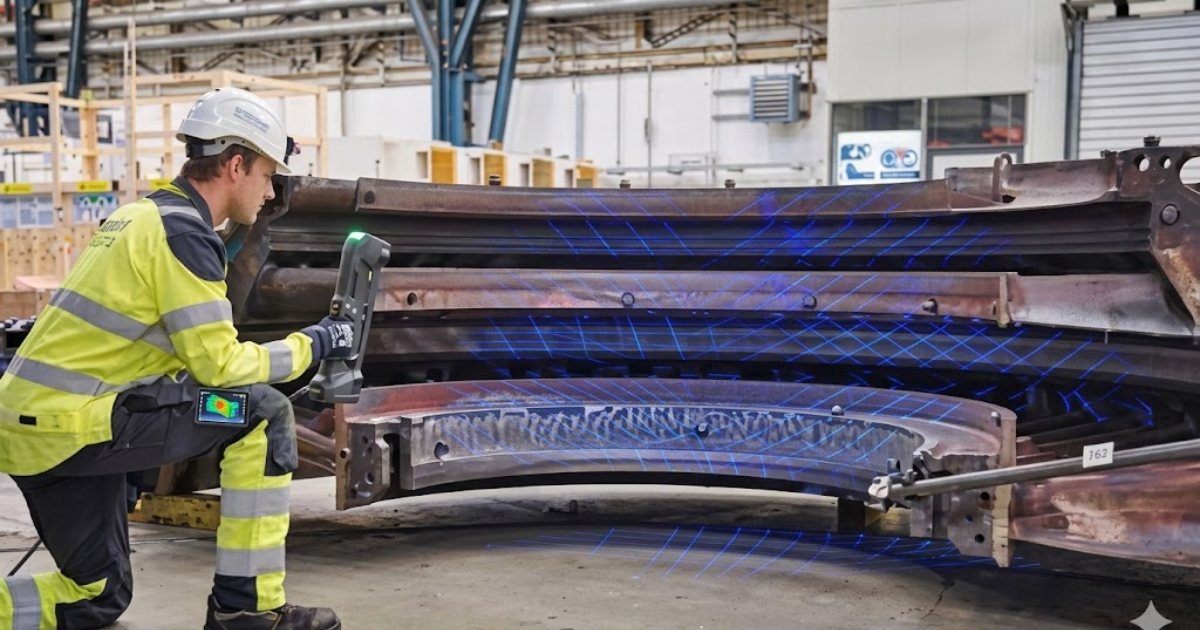
3D scanners are transforming industrial and manufacturing processes by enabling high precision measurement, quality inspection, and reverse engineering. 3D scanners are essential in environments because modern components demand micron level accuracy, speed, and repeatability, something manual measurement tools cannot consistently deliver.
Short range 3D scanners are commonly used for small, high precision components such as gears, electronic housings, injection molded parts, and tooling inserts. Allowing engineers to detect dimensional deviations, surface defects, and wear that traditional gauges may miss. In addition, Industrial CT scanning is often used alongside short range 3D scanning to inspect internal features of complex parts, such as porosity, internal channels, and assembly verification, without cutting or damaging the component.
Medium range 3D scanners are essential for larger assemblies and industrial machinery, where full field measurement is required to verify alignment, tolerances, and fit across complex structures.
By integrating 3D scanning technologies into manufacturing workflows, industrials can reduce inspection time, minimize human measurement errors, accelerate reverse engineering processes, and ensure that components meet design intent. This directly supports quality assurance, rapid prototyping, tooling validation, and additive manufacturing, helping manufacturers improve productivity and maintain consistent product quality.
In the healthcare sector, 3D scanning technologies provide non invasive and highly accurate digital modeling for patient specific applications. Short range 3D scanners are widely used for dental impressions, prosthetics, orthotics, and surgical planning, capturing precise surface details of anatomical structures. By replacing traditional molds and manual measurements, these scanners improve precision, reduce patient discomfort, and enable faster production of custom fit medical devices.
In addition to surface 3D scanning, Industrial CT scanning plays a crucial role in healthcare manufacturing and biomedical engineering. This technology enables detailed internal visualization of medical parts, and equipment without disassembly. It is commonly used to inspect the internal structure of surgical instruments, dental components, and other medical devices, helping manufacturers detect internal defects, porosity, and assembly issues while ensuring compliance with strict medical quality standards. Industrial CT scanning provides high resolution 3D data of both internal and external features, supporting quality control, product validation, and medical device research.
Together, these technologies allow clinicians and engineers to design highly customized medical devices, simulate procedures before surgery, and maintain digital anatomical records for research, education, and training. This level of precision and digital capability goes far beyond what traditional 2D imaging or manual measurement methods can achieve, ultimately improving patient outcomes, device reliability, and medical innovation.
Medium and long range 3D scanners are critical tools in architecture, engineering, and construction. They allow professionals to capture interior spaces, building exteriors, and large scale infrastructure projects with high accuracy. These 3D scanners are essential for as-built documentation, renovation planning, clash detection, and construction progress monitoring.
Medium range 3D scanners are commonly used for indoor environments and detailed structural elements, offering a balanced combination of scanning coverage and dimensional accuracy.
Long range 3D scanners are ideal for large exterior environments and infrastructure projects, where capturing data over long distances is essential. For example, scanners like the FARO Focus S 350 can capture entire building facades, bridges, and large construction sites from distances of up to 350 meters, with an accuracy of about ±2 mm. In highway or bridge construction projects, such 3D scanners can rapidly map the entire structure and surrounding terrain, allowing engineers to perform accurate site surveys, structural assessments, volume measurements, and construction progress monitoring more efficiently than traditional surveying methods.
These 3D scanners provide reliable as-built documentation, reduce field modifications, support BIM workflows, and enable precise progress monitoring. For civil engineering and heritage preservation, long range 3D scanning ensures accurate digital records of structures that may be difficult or unsafe to measure manually.
3D scanning is widely used in entertainment, gaming, and art preservation to create highly detailed digital assets and preserve cultural artifacts. Short and medium range 3D scanners are commonly used to capture intricate surface details of props, costumes, sculptures, and human performers, enabling the creation of realistic digital models for films, video games, animation, and virtual reality experiences.
Short and medium range scanners capture fine details of props, costumes, sculptures, and human performers for films, games, animation, and virtual reality.
Long range scanners are required to digitize large environments, monuments, and outdoor installations that form immersive digital worlds or visual effects backdrops.
Beyond entertainment, 3D scanning also plays a vital role in cultural heritage preservation. Museums and conservation teams use 3D scanning technology to create accurate digital replicas of fragile artworks, sculptures, and historic sites, allowing them to be archived, studied, restored, and shared with the public through digital exhibitions without risking damage to the original artifacts.
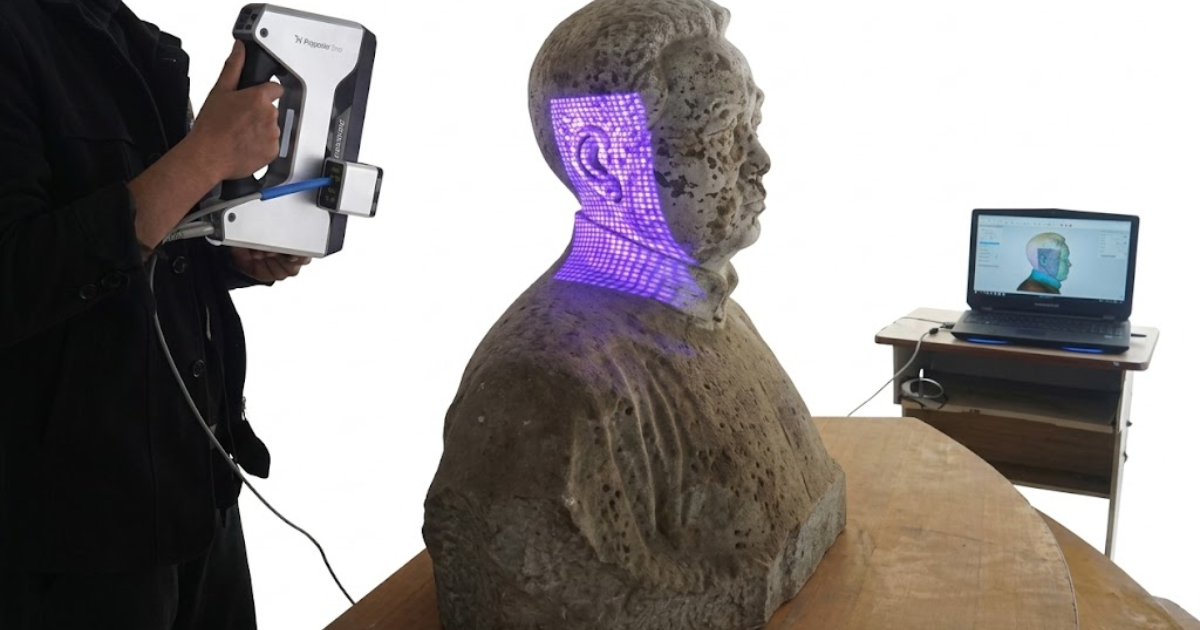
3D scanning technology has evolved to offer multiple methods for capturing accurate digital representations of objects and environments. Each technology has its own range, precision, speed, and application suitability.
A structured light 3D scanner captures the three dimensional shape of an object by projecting a patterned light, typically stripes or a grid onto its surface. When this light pattern hits the object, it bends and distorts according to the object’s contours. Cameras or sensors then capture images of these distortions from different angles to calculate the exact 3D geometry of the surface. Structured light 3D scanning works:
Structured Light Projection: The scanner projects a predefined light pattern, usually stripes or a grid, onto the surface of the object.
Image Capture: One or more cameras capture images of the distorted pattern as it wraps around the object's surface. These distortions allow the system to calculate the precise 3D coordinates of each visible point.
Point Cloud Generation: The captured data is processed to create a point cloud, which consists of thousands or millions of points representing the object's surface in 3D space.
Mesh Generation and Texturing: The point cloud is converted into a 3D mesh by connecting the points with triangles, forming a digital surface. Color and texture information can then be added to create a realistic digital model.
Structured light 3D scanners convert real world objects into highly detailed digital models that can be viewed, analyzed, and modified on a computer. By accurately capturing an object’s shape, surface details, and sometimes even color, these 3D scanners create precise digital replicas that can be used for multiple applications across industries. For example, they can generate digital models of physical objects for design, visualization, or archival purposes, such as 3D scanning a sculpture to create a permanent digital record.
In engineering and manufacturing, structured light 3D scanners are widely used for reverse engineering, where existing parts are 3D scanned to capture accurate dimensional data. This data helps designers redesign, replicate, or improve components, especially in industries like automotive and industrial manufacturing. They are also valuable for quality inspection, as the 3D scanned model can be compared directly with the original 3D CAD design to check whether manufactured parts meet required tolerances and specifications.
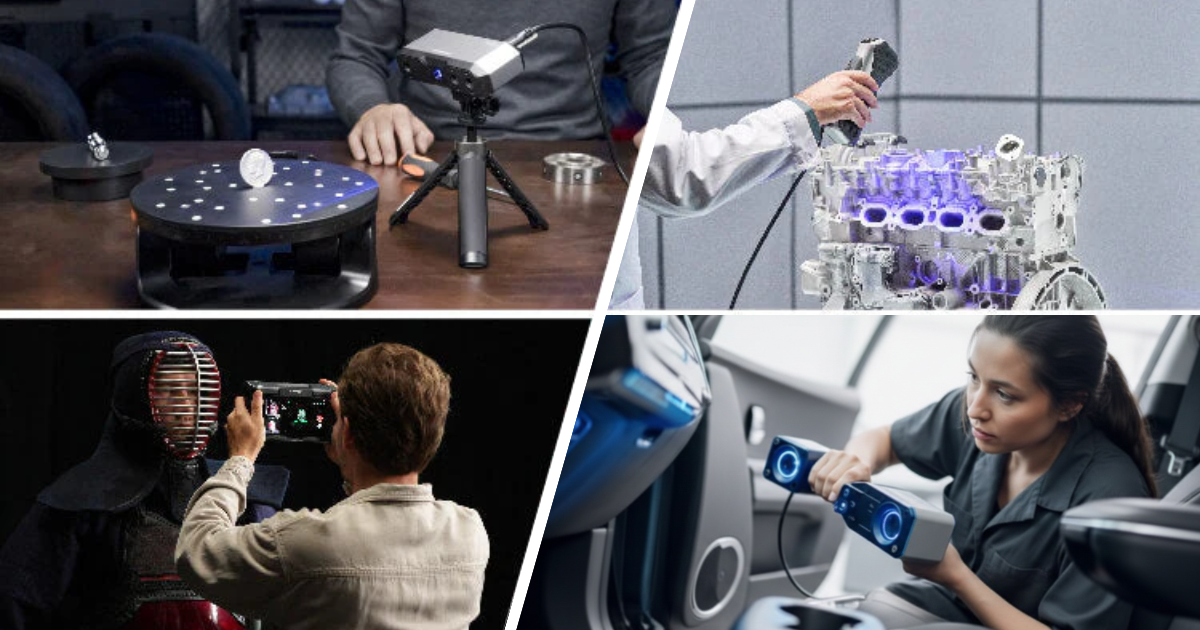
Laser triangulation 3D scanning works by projecting a laser line or point onto the surface of an object while a sensor positioned at a known angle captures the reflected light. By analyzing the position of the reflected laser relative to the sensor and the laser source, the system calculates precise 3D coordinates of the object's surface. This technology is primarily used for high precision dimensional measurement and quality control, particularly in manufacturing environments where strict tolerances must be maintained. For example, in an automotive factory, a laser triangulation 3D scanner may be used to inspect a machined engine component to ensure it meets the required dimensional specifications. If any deviation from the design tolerance is detected, the component can be adjusted or rejected before it proceeds to the assembly stage, ensuring consistent product quality.
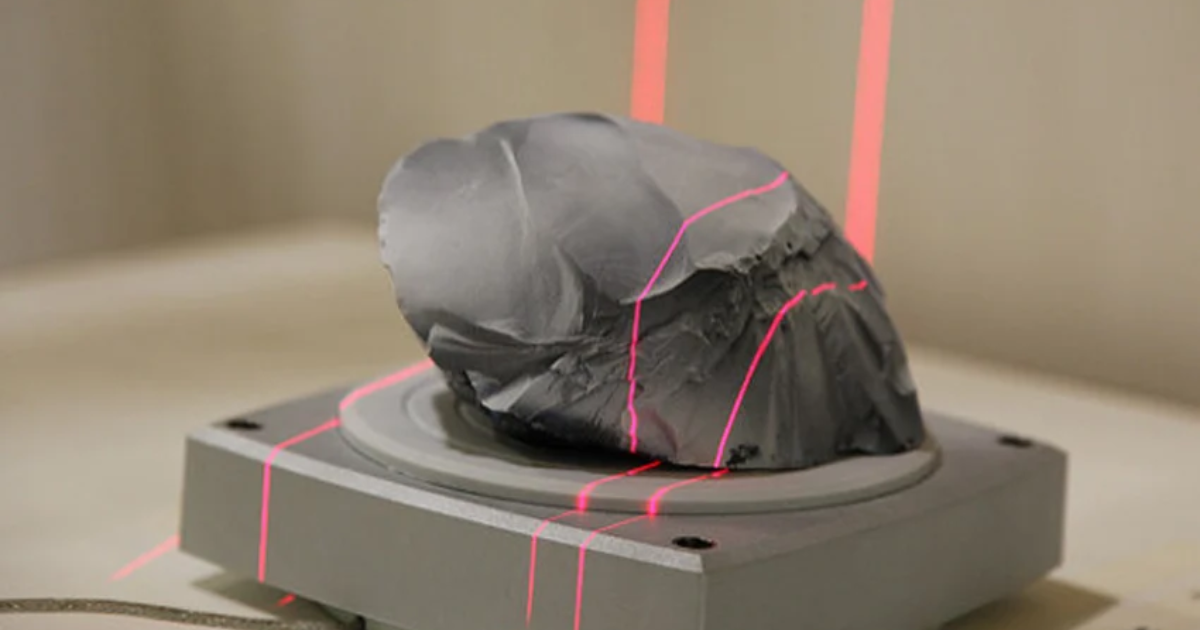
Time of flight 3D scanning works by emitting laser pulses toward objects and measuring the time it takes for the light to reflect back to the sensor. By calculating this time difference, the system determines the distance to each point and builds a detailed 3D representation of the surrounding environment. The primary purpose of this technology is to efficiently scan very large areas, making it ideal for capturing buildings, landscapes, infrastructure, and entire construction sites in a short time. For example, a survey team may use LiDAR to 3D scan a large construction site and generate an accurate 3D model of the terrain and existing structures. This data helps engineers and planners analyze site conditions, plan building placement, and track construction progress more effectively.
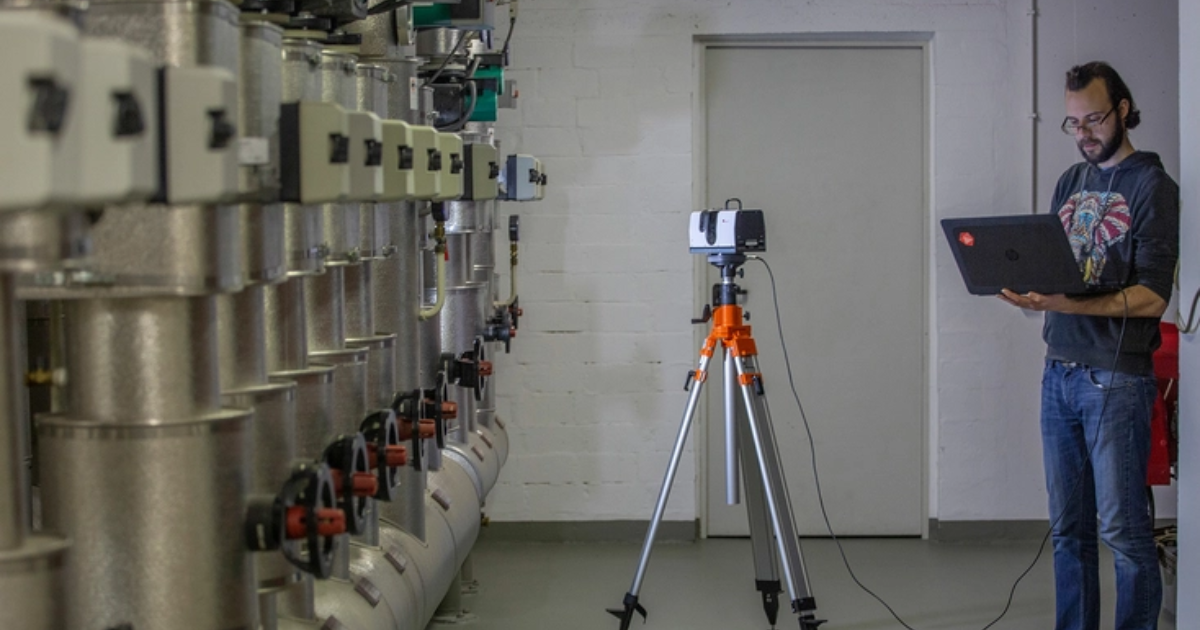
Photogrammetry is a 3D reconstruction technique that creates digital models by analyzing multiple photographs taken from different angles around an object or environment. The software identifies common reference points across overlapping images and uses them to calculate spatial relationships, ultimately reconstructing an accurate 3D representation. The main purpose of photogrammetry is to provide a flexible and cost effective method for capturing large or complex objects and environments where specialized 3D scanning equipment may not be practical. For example, archaeologists may capture hundreds of aerial images of an ancient temple using a drone, and photogrammetry software processes these images to generate a highly detailed 3D model that can be used for documentation, preservation, and historical research.
Industrial CT scanning uses X-rays to capture hundreds or thousands of images of an object from multiple angles. These images are then reconstructed by specialized software to create a highly detailed 3D model that reveals both the external surfaces and internal structures of the part. The primary purpose of this technology is non destructive internal inspection, allowing designers to examine hidden features, detect defects, and analyze internal assemblies without physically cutting or damaging the component. For example, an aerospace manufacturer 3D scan a turbine blade using industrial CT to identify internal cracks, porosity, or structural defects that could lead to failure during operation, ensuring the part meets strict safety and performance standards.
Selecting the right 3D scanning range and technology is critical for achieving precise, reliable, and efficient results across industrial, healthcare, construction, and creative applications. With expertise in 3D structured light scanning, laser triangulation, LiDAR, photogrammetry, and industrial CT scanning, RA Global Tech Solutions has successfully delivered complex 3D scanning projects for clients worldwide, from precision reverse engineering and additive manufacturing validation to large scale architectural and heritage documentation. Our experience ensures that every 3D scan is not just a digital replica but a trusted foundation for design, analysis, and decision making, helping industrialists and professionals accelerate innovation, maintain quality, and preserve critical assets for the future.
© 2026 RA Global Tech Solutions
Site design and developed by Rajkar Global