BIM Modeling Services
What are BIM modeling services?
Building Information Modeling BIM services involve the creation of digital, data-rich 3D models of buildings and infrastructure projects that capture not only geometric information but also metadata about materials, schedules, costs, and performance. Unlike traditional 2D drawings, BIM models provide a comprehensive representation of a project, enabling architects, engineers, contractors, and stakeholders to collaborate more effectively throughout the project lifecycle.
BIM modeling integrates design, construction, and operational information into a single digital platform. This allows for clash detection, simulation, visualization, cost estimation, and facility management, reducing errors, saving time, and improving overall project efficiency.
Key Aspects of BIM modeling services:
- 3D Visualization and Modeling: Creating detailed 3D models of buildings, infrastructure, and MEP systems to provide a realistic representation of the project.
- Clash Detection and Coordination: Identifying and resolving conflicts between architectural, structural, and MEP components before construction begins.
- Data-Rich Information Management: Incorporating metadata such as material specifications, quantities, schedules, costs, and performance data within the BIM model.
- Collaboration and Multi-Discipline Integration: Enabling architects, engineers, contractors, and stakeholders to work on a shared digital platform for real-time updates and coordination.
- Facility Management and Lifecycle Support: Using BIM models for operation, maintenance, and renovation of buildings after project completion.
- Standardization and Compliance: Ensuring models adhere to industry standards, design codes, and client-specific requirements.
Why are BIM modeling services important?
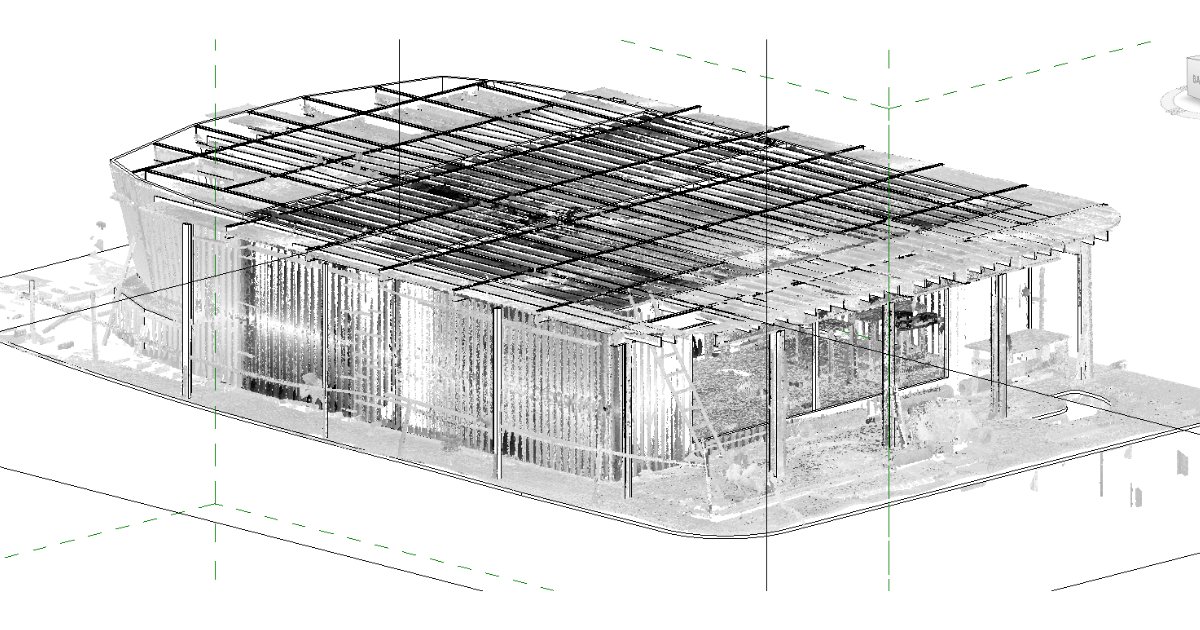
BIM modeling services are essential for modern construction and infrastructure projects because they provide a digital, data-rich representation of a building or facility, enabling stakeholders to make informed decisions, reduce errors, and improve overall efficiency. By integrating 3D geometry, material specifications, and metadata, BIM ensures precise and consistent designs while allowing architects, engineers, contractors, and clients to collaborate effectively on a single, shared digital platform. This enhanced collaboration minimizes miscommunication, delays, and costly rework.
Additionally, BIM supports accurate quantity takeoffs, cost estimation, and construction scheduling, helping projects stay on time and within budget. Its realistic 3D visualizations and construction simulations improve planning, while lifecycle management capabilities allow for effective operation, maintenance, and future renovations. BIM also aids in assessing energy efficiency, sustainability, and regulatory compliance, while early conflict detection mitigates risks during design and construction.
What are the common challenges in BIM modeling services?
BIM modeling services face several challenges, including data interoperability issues, complexity, and data management. Ensuring seamless collaboration and communication among stakeholders, maintaining accuracy and quality, and keeping up with changing software and technology can be difficult. Additionally, BIM modeling can be resource-intensive, requiring significant investment in software, hardware, and personnel. Managing changes, ensuring compliance with industry standards and regulations, and optimizing model performance are also essential. By understanding these challenges, organizations can better plan and implement BIM modeling services to achieve their goals and improve project outcomes.
The Process
- Project Planning and Requirement Analysis: Define project scope, goals, and BIM requirements. Identify stakeholders, software platforms, and project standards.
- Data Collection: Gather all relevant information, including 2D drawings, 3D CAD files, site surveys, and laser scans. Ensure accuracy and completeness of the input data.
- 3D Modeling: Create detailed 3D models of architectural, structural, and MEP systems. Integrate all disciplines into a single coordinated model.
- Clash Detection and Coordination: Identify conflicts between different systems (architecture, structure, MEP) and resolve them through collaboration among stakeholders.
- Model Enrichment and Data Integration: Add metadata such as material specifications, quantities, schedules, and cost information to the model for 4D and 5D BIM capabilities.
- Quality Control and Validation: Perform checks to ensure accuracy, compliance with design standards, and alignment with client requirements.
- Simulation and Visualization: Conduct construction sequencing, cost simulation, and visualizations for design validation and client approvals.
- Delivery and Documentation: Provide the final BIM model along with supporting documentation, drawings, reports, and data exports for construction or facility management.
- Facility Management Integration: Hand over the BIM model for operations, maintenance, and future renovations, enabling efficient lifecycle management.
Throughout the process, BIM professionals work closely with stakeholders to ensure that the model is accurate, complete, and meets project requirements. The goal is to improve project efficiency, reduce costs, and enhance building performance.
What are the applications of BIM modeling services across various industries?
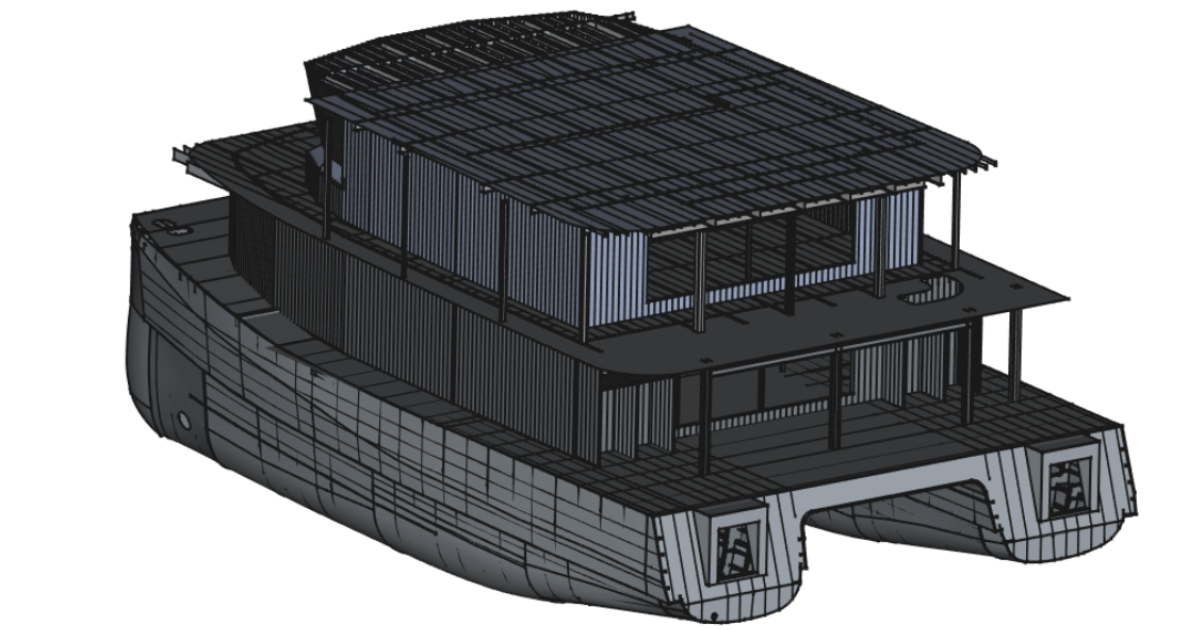
BIM (Building Information Modeling) services have become an essential tool across various industries due to their ability to enhance collaboration, improve accuracy, and optimize project workflows. By providing a digital, data-rich representation of buildings and infrastructure, BIM enables stakeholders to visualize, plan, and manage projects efficiently.
- Architecture: BIM allows architects to create detailed 3D models of buildings, interiors, and landscapes. It facilitates design visualization, space planning, and presentation to clients, ensuring design intent is maintained throughout the project lifecycle.
- Construction and Civil Engineering: BIM is widely used in construction for project planning, clash detection, scheduling (4D BIM), and cost estimation (5D BIM). Engineers and contractors can identify potential conflicts, optimize construction sequences, and manage resources effectively, reducing delays and rework.
- Structural Engineering: Structural engineers use BIM to model load-bearing components, analyze structural performance, and ensure compliance with safety and building codes. BIM also enables seamless coordination with architectural and MEP systems.
- MEP (Mechanical, Electrical, Plumbing) Engineering: BIM ensures that mechanical, electrical, and plumbing systems are accurately integrated into building designs, minimizing installation errors and ensuring smooth construction and maintenance.
- Facility and Asset Management: BIM models serve as a digital twin for buildings, helping facility managers plan maintenance, monitor performance, and manage renovations efficiently throughout the building’s lifecycle.
- Infrastructure Projects: BIM is used in roads, bridges, tunnels, and urban planning projects to visualize designs, simulate construction processes, and optimize resource allocation.
- Healthcare and Hospitals: BIM assists in designing complex hospital systems, ensuring proper space allocation, equipment placement, and compliance with healthcare standards.
- Industrial and Manufacturing Facilities: For factories and production plants, BIM helps in layout planning, equipment installation, and workflow optimization, improving operational efficiency.
- Heritage and Cultural Preservation: BIM enables digital documentation and preservation of historic buildings and monuments, providing accurate models for restoration, renovation, or educational purposes.
- Education and Research: Educational institutions use BIM for teaching, simulation, and research in architecture, engineering, and construction management programs.
Related Services
- CAD Conversion Services: Transforming legacy drawings and outdated formats into modern CAD files for seamless integration into BIM workflows.
- 3D Modeling Services: Creating detailed 3D digital representations of architectural, structural, and MEP systems.
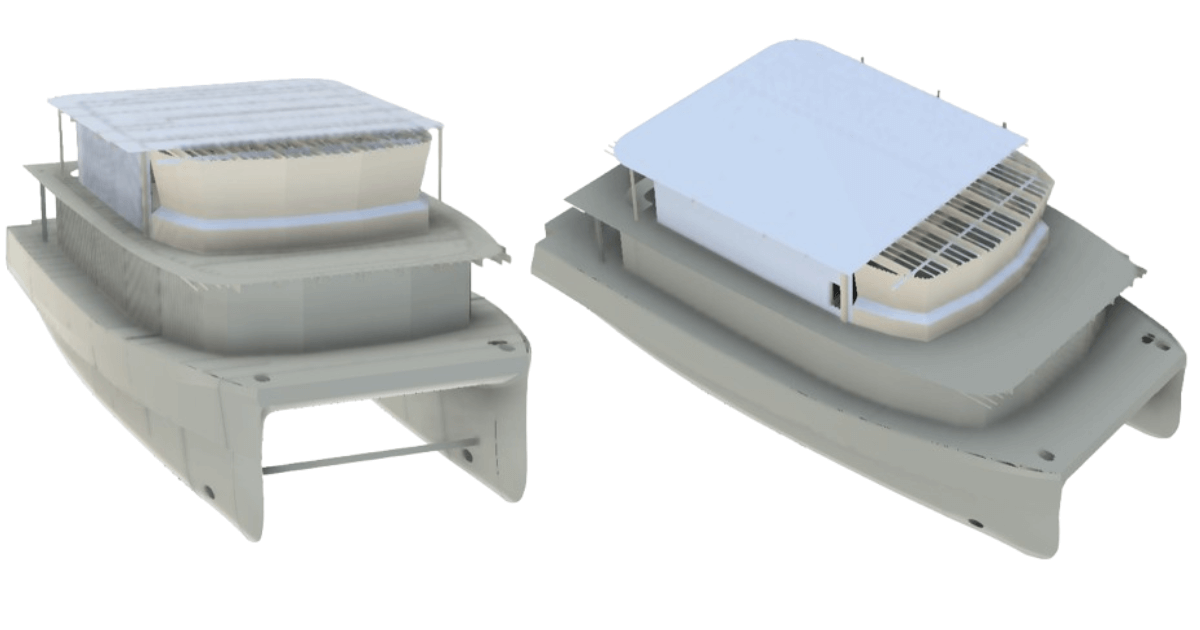
- Reverse Engineering Services: Reconstructing existing structures or components into editable BIM or CAD models.
- Architectural Design Services: Providing conceptual, schematic, and detailed architectural designs compatible with BIM workflows.
- Structural Engineering Services: Developing structural models for analysis, simulation, and integration with BIM.
- MEP Design Services: Modeling mechanical, electrical, and plumbing systems accurately within BIM environments.
- Quantity Take-Off and Cost Estimation: Extracting precise quantities and cost data directly from BIM models for budgeting and planning.
Why Choose RA Global?
Our team of experienced architects, engineers, and BIM specialists brings deep industry expertise across construction, manufacturing, healthcare, and heritage preservation. We provide comprehensive, end-to-end solutions from BIM modeling, clash detection, and 4D/5D simulations to 3D scanning, CAD conversion, and reverse engineering tailored to meet specific project requirements. By ensuring accuracy, efficiency, and optimized workflows, we help projects stay on time and within budget. With a client-centric approach, PAN India presence, and strict data security and confidentiality measures.
- Expertise: We have a team of experienced professionals with expertise in BIM modeling, design, and construction
- Advanced Technology: RA Global utilize the latest BIM software and technologies, ensuring efficient and accurate project delivery
- Collaboration and Communication: We offer seamless collaboration and communication among project stakeholders, reducing errors and delays
Contact us to learn more about how we can deliver the best possible results for your manufacturing.
Frequently Asked Questions
What are BIM 4D and 5D services?
BIM 4D links the 3D model with time (project scheduling) to visualize construction sequences, while BIM 5D adds cost data for accurate budgeting and quantity takeoffs.
How does BIM in architecture design support better planning?
BIM enables architects to visualize the entire project in 3D, analyze design options, and identify potential issues early.
What is BIM 3D clash detection, and how does it work?
BIM 3D clash detection identifies conflicts between architectural, structural, and MEP elements within a 3D model.
What are the different types of BIM models?
BIM models are typically categorized into Architectural, Structural, and MEP models.
What is BIM 360 Design Collaboration?
BIM 360 Design Collaboration is a cloud-based platform that allows multiple project teams to work together on shared BIM models in real time.