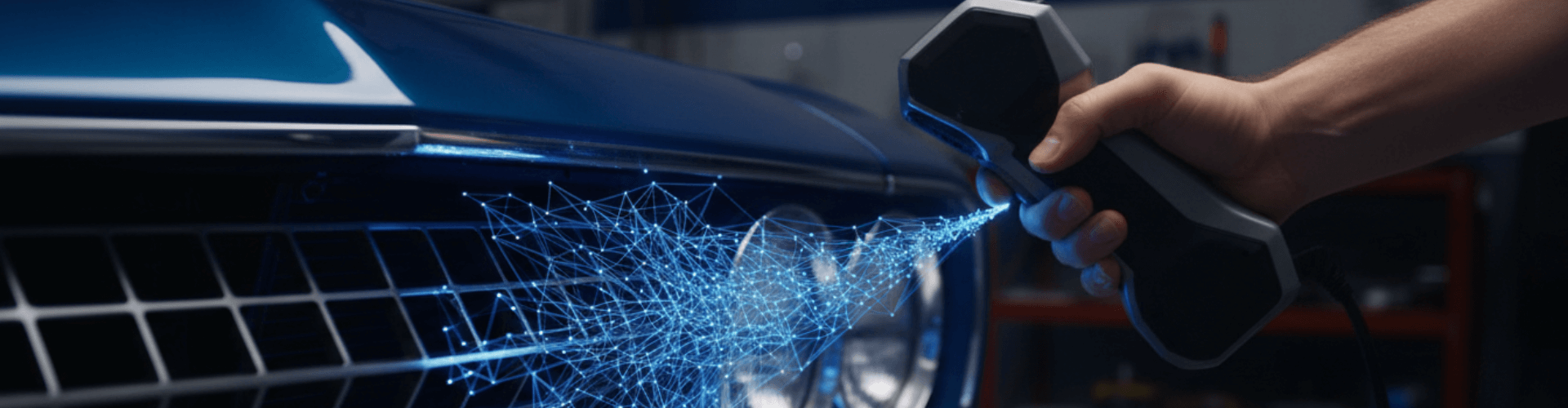
3D scanning has quietly become one of the most powerful technologies shaping modern engineering, manufacturing, healthcare, and even art. What once required complex manual measurements and guesswork can now be captured digitally with incredible speed and accuracy. A 3D scanner captures the exact shape, size, and geometry of a physical object and converts it into a digital 3D model.
From reverse engineering legacy parts to quality inspection, product design, medical applications, and digital archiving, 3D scanners are transforming how industries work. This complete guide explores how 3D scanners work, their key applications across industries, benefits, and how industries can leverage them for a competitive advantage.
A 3D scanner is a precision device used to capture the exact physical shape and geometry of a real world object and convert it into a digital 3D CAD model. It works by collecting millions of accurate measurement points, known as point clouds, from the object is surface. These measurements are captured using advanced technologies such as laser 3D scanning, which records surface data using laser beams; structured light 3D scanning, which projects light patterns to detect shape variations; photogrammetry, which reconstructs 3D geometry from multiple photographs; and contact based 3D scanning, where a probe physically touches the object to record dimensions. Once captured, this raw 3D scan data is processed through specialized software to create a highly detailed 3D mesh or precise 3D CAD model. This digital model can then be analyzed, edited, reverse engineering, or directly used for manufacturing processes such as CNC machining and 3D printing.
Beyond manufacturing, 3D scanning also plays a critical role in BIM. In construction and infrastructure projects, 3D scanners are used to capture asbuilt conditions of buildings, plants, and sites. The 3D scanned point cloud data is converted into intelligent BIM models that include accurate geometry along with embedded information such as dimensions, materials, and spatial relationships. This enables architects, engineers, and contractors to perform renovation planning, clash detection, facility management, and digital twin creation with high accuracy and efficiency.
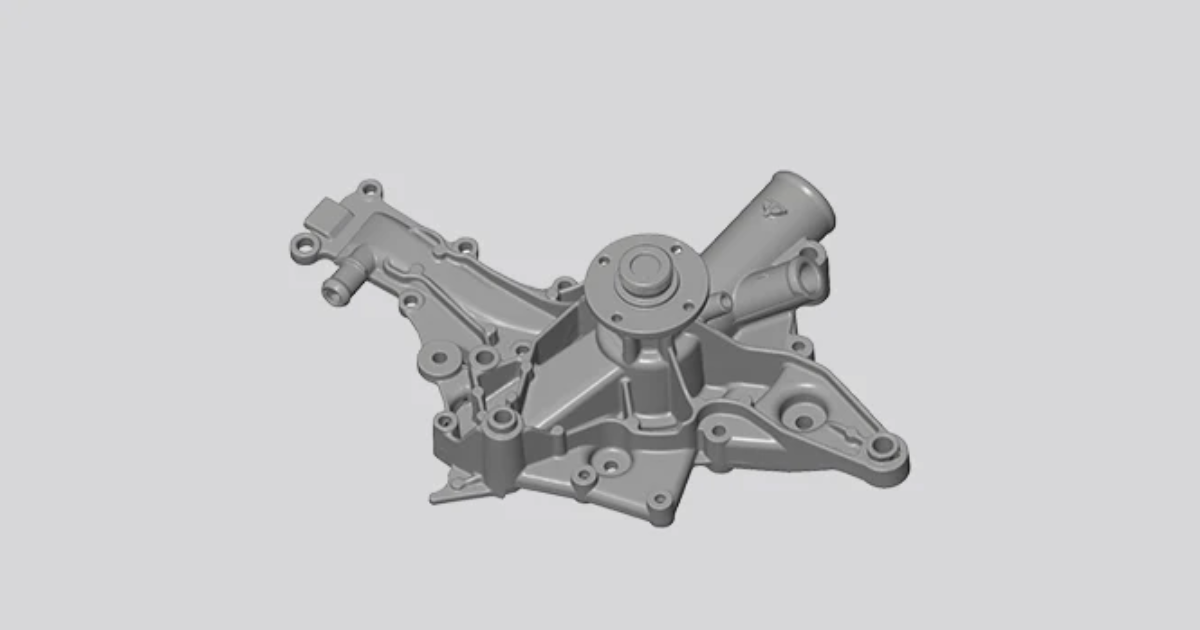
Reverse Engineering is one of the most common and valuable applications of 3D scanning technology. Many industries depend on components that are discontinued, lack original 3D CAD drawings, were manually fabricated years or even decades ago, or have become worn and damaged over time. In such cases, a 3D scanner allows 3D CAD designers to accurately capture the complete geometry of the existing part, regardless of its complexity, and convert it into a precise digital 3D CAD model. Once digitized, the 3D CAD design can be modified, optimized for better performance, or corrected for wear and damage. The recreated part can then be manufactured using CNC machining or 3D printing with high accuracy. This approach is especially critical in automotive, aerospace, industrial machinery, and maintenance operations, where replacing legacy or failed components quickly helps minimize downtime and reduce operational costs.
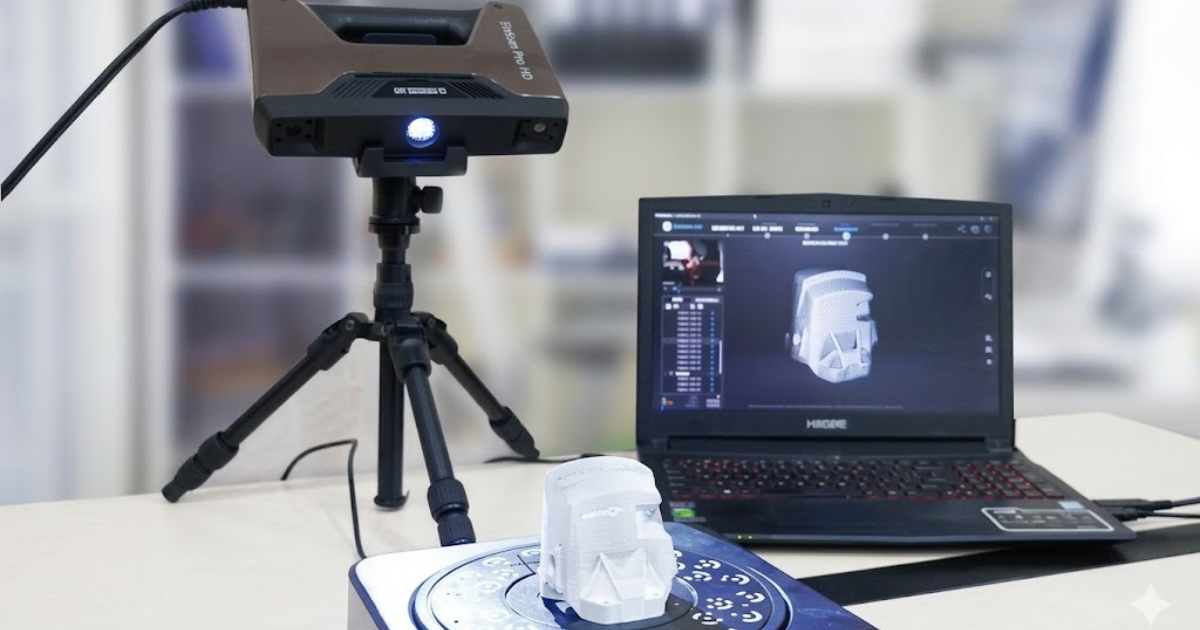
Product Design and Development is another key area where 3D scanners add significant value. In modern 3D CAD design workflows, 3D scanning enables 3D CADdesigners and engineers to digitize hand-made prototypes, clay models, or physical mock ups with high accuracy. It is especially useful for capturing complex ergonomic shapes and organic surfaces that are difficult to 3D CAD design from scratch in 3D CAD software. The 3D scanned data can be seamlessly combined with 3D CAD designed features, allowing a hybrid workflow that merges real world geometry with precise engineering elements. This approach accelerates 3D CAD design iterations, preserves the original 3D CAD design intent, and eliminates the need to start from a blank model, ultimately saving time, reducing errors, and shortening overall product development cycles.
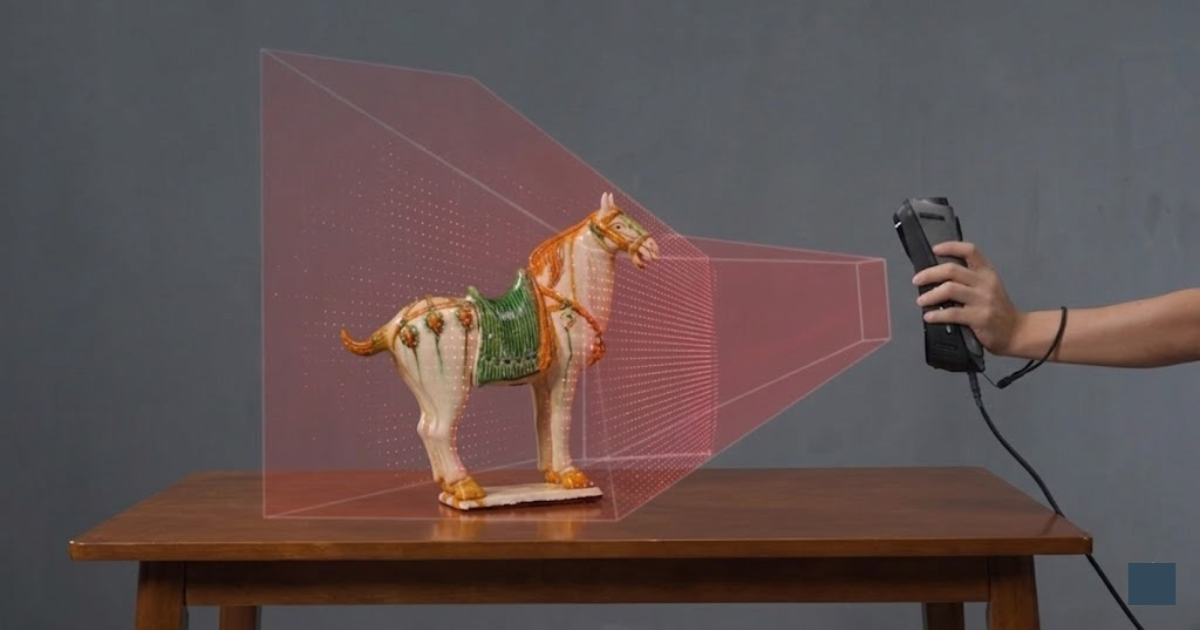
Quality Inspection and Dimensional Analysis are critical in manufacturing, where even minor deviations can impact performance and reliability. 3D scanners are widely used to inspect manufactured parts by capturing their complete geometry and comparing the 3D scan data directly with the original 3D CAD model. This allows manufacturers to accurately detect dimensional deviations, identify warping or deformation, and verify whether parts meet required tolerances. Unlike traditional coordinate measuring machine inspection methods, 3D scanning is significantly faster, noncontact, and capable of capturing complex free-form surfaces in a single 3D scan. These advantages make 3D scanning an ideal solution for high volume production environments and for inspecting components with intricate or organic geometries.
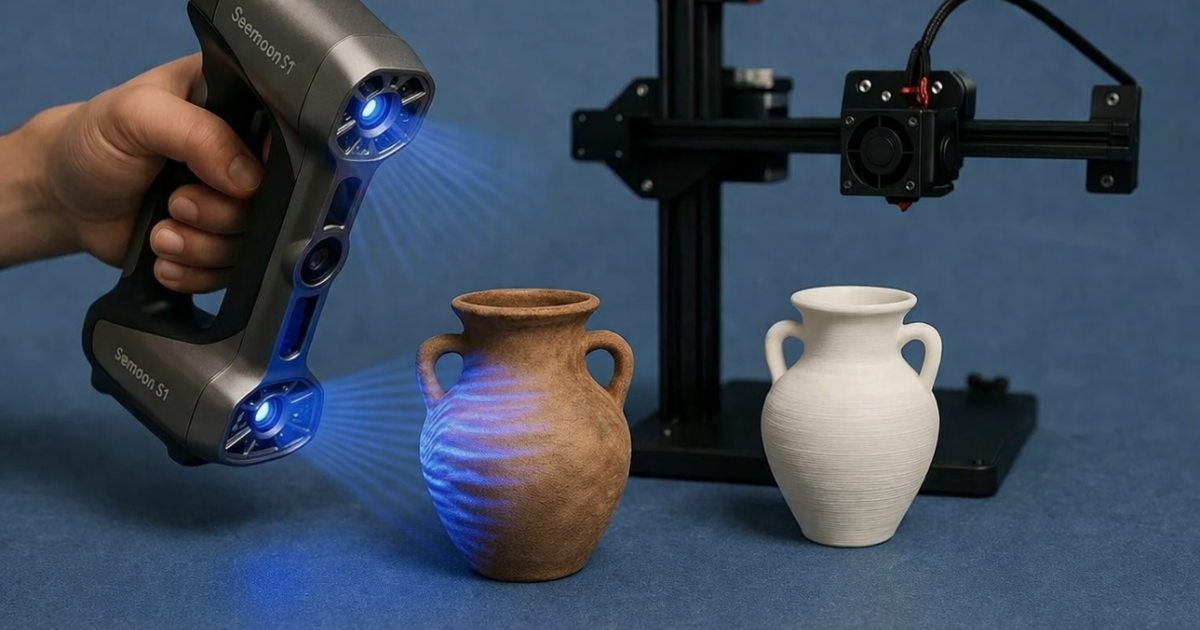
Rapid Prototyping and Additive Manufacturing benefit greatly from the integration of 3D scanning and 3D printing technologies. A physical object can be 3D scanned to create a digital model that can be easily modified, optimized for weight, strength, or functionality, and then directly manufactured using 3D printing. This seamless digital workflow enables fast and efficient prototyping, particularly for components with custom-fit requirements or complex organic shapes. As a result,3D CAD design validation and iterations can be completed much faster, making this approach widely used in consumer product development, as well as in the creation of tooling, jigs, and fixtures for manufacturing applications.
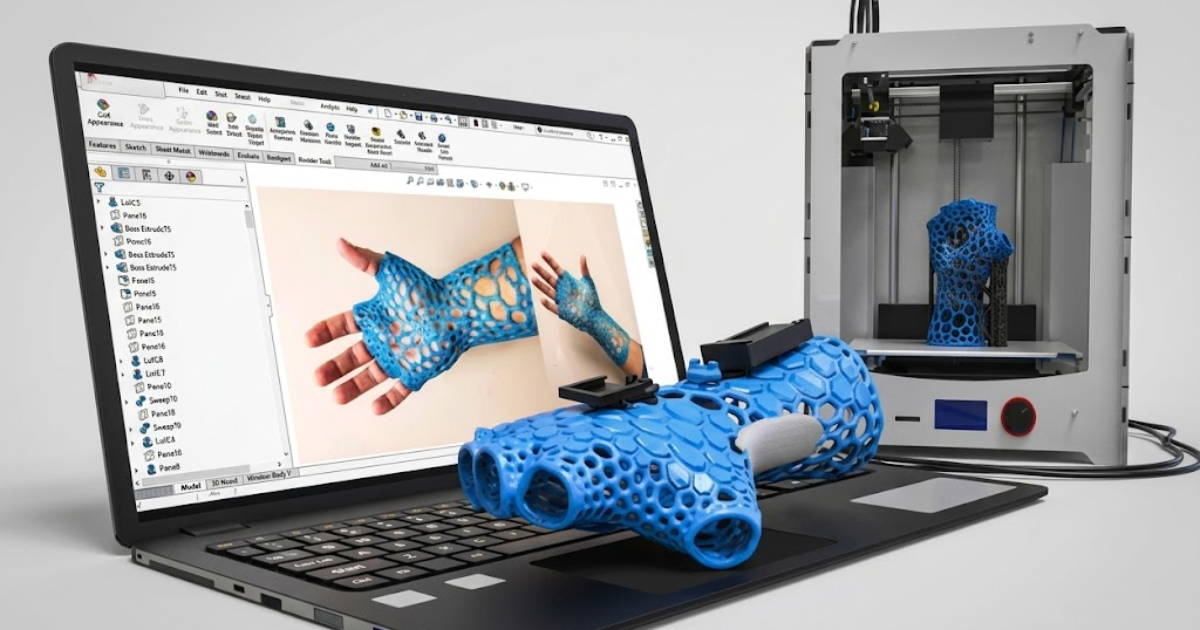
Medical and Healthcare have been significantly transformed by the adoption of 3D scanning technology. By accurately capturing the geometry of a patient’s anatomy, 3D scanners enable the development of highly customized medical solutions. Common applications include the 3D CAD design and manufacturing of custom prosthetics and orthotics, patient specific implants, dental aligners and crowns, and detailed surgical planning models. This patient specific approach allows medical professionals to tailor treatments to individual needs, resulting in a better fit, enhanced comfort, improved accuracy during procedures, and overall superior clinical outcomes.
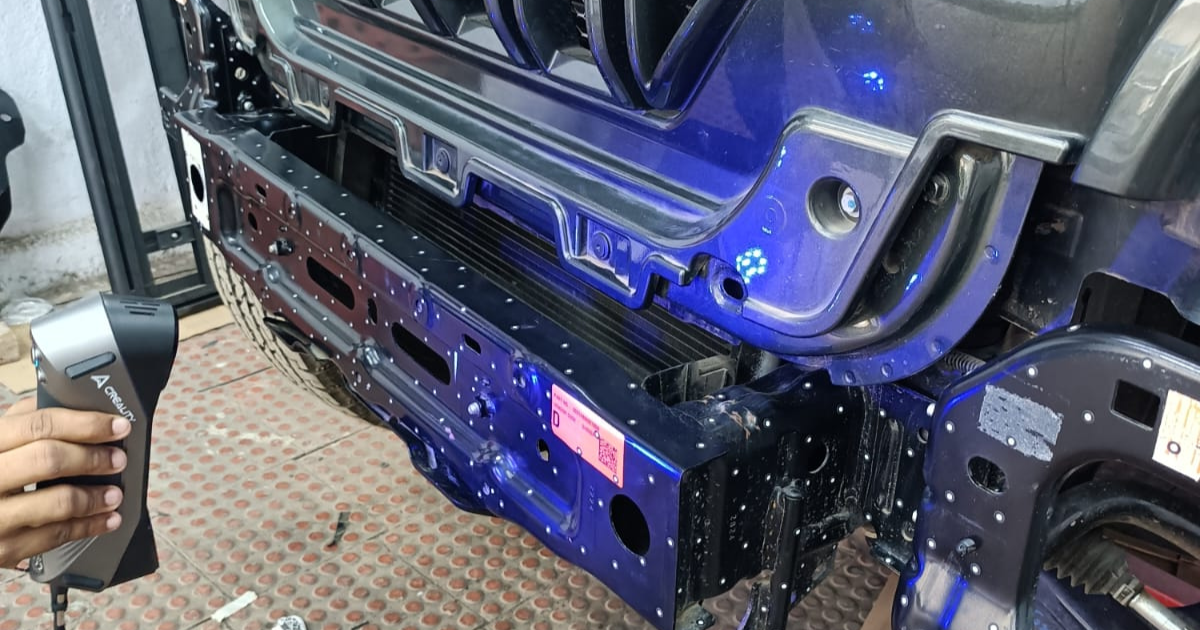
Automotive make extensive use of 3D scanning technology due to the complexity and precision required in vehicle 3D CAD design and manufacturing. 3D scanners are commonly used for reverse engineering vehicle components, restoring vintage or classic cars where original drawings are unavailable, conducting fitment analysis, and inspecting body panels for dimensional accuracy. In custom automotive modifications, motorsports, and restoration projects, accurate 3D scanning is essential for recreating complex geometries, ensuring perfect fit, and maintaining performance standards with a high level of precision.
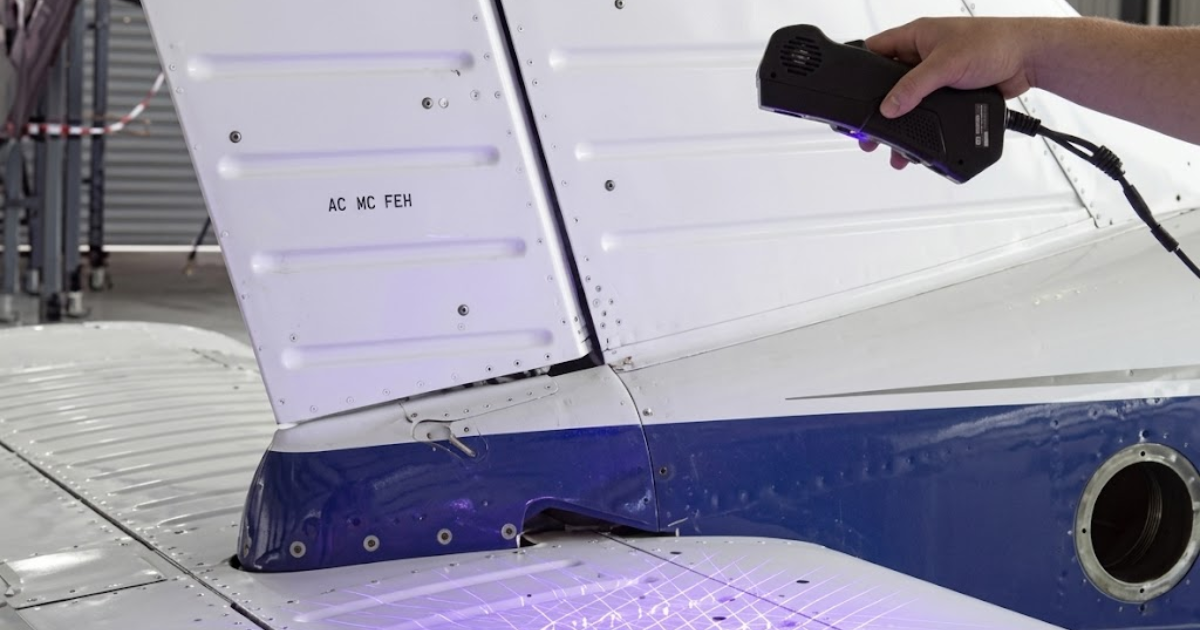
Demand the highest levels of precision, reliability, and traceability, making 3D scanning an essential technology in this sector. 3D scanners are widely used for the inspection of complex and high precision components, reverse engineering of legacy systems with limited or outdated documentation, and maintenance, repair, and overhaul activities. Non contact 3D scanning is especially valuable for delicate, lightweight, or high value aerospace components, as it allows accurate data capture without the risk of physical contact or potential damage, ensuring safety and compliance with strict industry standards.
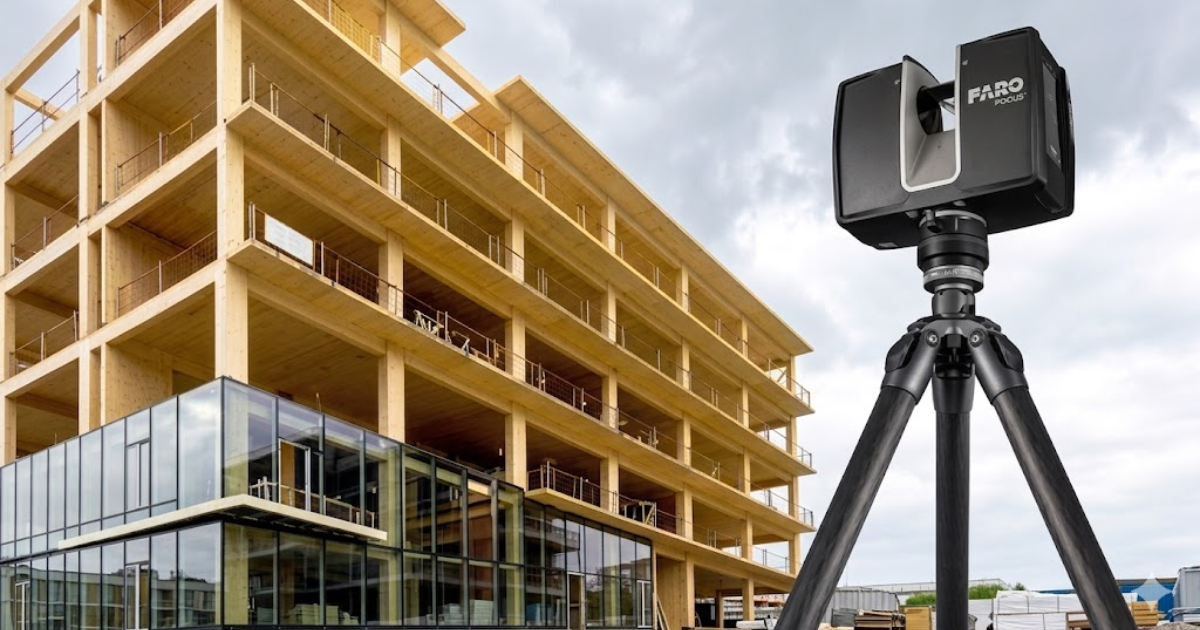
Architecture, Construction, and Civil Engineering sectors widely use 3D scanning for as built documentation and detailed site analysis. By capturing existing structures with high accuracy, 3D scanning enables reliable renovation and retrofit planning, early clash detection between structural, mechanical, and electrical systems, and the creation of accurate digital twins of buildings and infrastructure. 3D Scanning real world environments allows architects and engineers to work with precise, up to date digital models rather than relying on outdated or incomplete drawings, reducing errors, improving coordination, and saving time and costs throughout the project lifecycle.
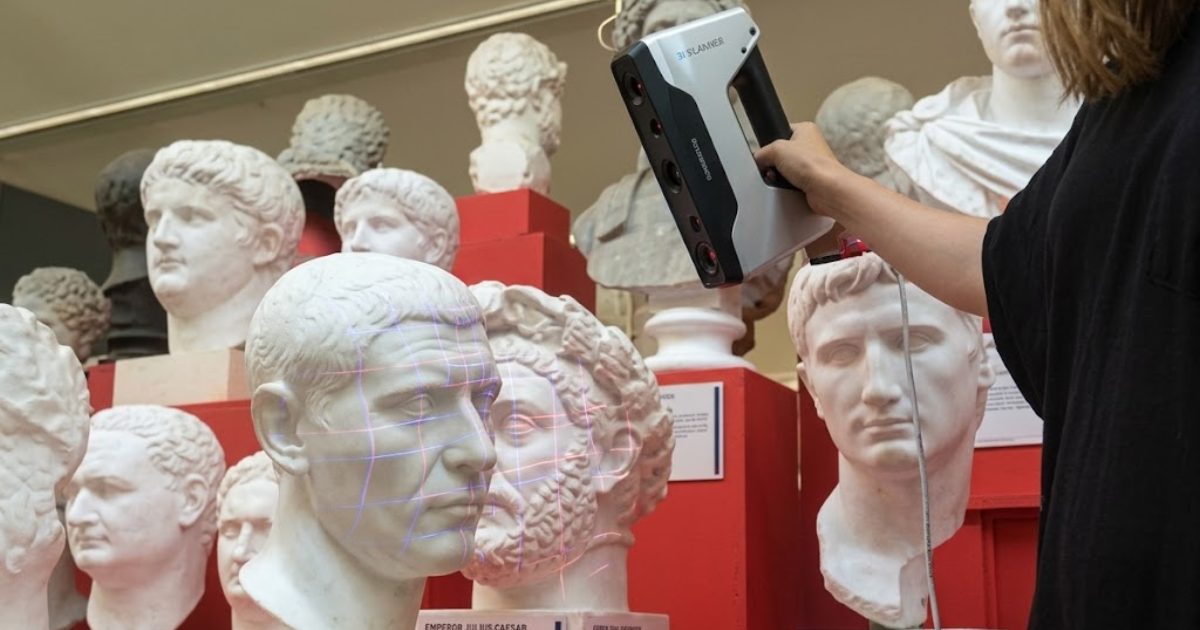
Cultural Heritage and Digital Archiving is another powerful application of 3D scanning technology. Museums, research institutions, and conservation experts use 3D scanners to digitally preserve artifacts, sculptures, and historical objects with high accuracy. This enables the restoration of damaged or eroded sculptures by reconstructing missing details and ensuring structural integrity. 3D scanning also supports the creation of virtual exhibitions, allowing people worldwide to explore cultural treasures without physically handling the originals. Digital archiving ensures that historical objects can be studied, replicated, and preserved for future generations without risking damage to the delicate or priceless originals.
Handheld 3D Scanners: Handheld 3D Scanners are highly portable and flexible devices that are 3D CAD designed for on site 3D scanning, making them ideal for applications where mobility is essential. They are best suited for capturing medium to large parts and assemblies, especially when dealing with complex surfaces or irregular shapes that are difficult to measure using traditional methods. These 3D scanners are commonly used in 3D reverse engineering and quality inspection because they can quickly capture detailed geometry without the need for fixed setups or extensive preparation. Their ability to move freely around the object allows fast data capture, enabling engineers and technicians to complete 3D scanning tasks efficiently even in challenging environments.
Blue Light 3D Scanner: A Blue Light 3D Scanner is a type of structured light 3D scanner that uses blue LED light to capture the shape and surface details of an object accurately. During 3D scanning, a blue light pattern is projected onto the object’s surface, and high resolution cameras record how this pattern is distorted. The 3D scanner then processes this data to generate a highly detailed 3D model. Blue light 3D scanning offers excellent precision and faster 3D scanning speed, making it ideal for industrial applications. It also performs better on reflective and darker surfaces compared to traditional white light 3D scanners, and being a non contact method, it is safe for delicate or sensitive objects. This technology is widely used in industries such as automotive, aerospace, medical, and manufacturing for reverse engineering, quality inspection, and dimensional analysis.
Handheld Color 3D Scanner: A Handheld Color 3D Scanner is a portable 3D scanning device that captures not only the geometry of an object but also its color and texture information. This type of 3D scanner uses advanced structured light or laser technology combined with high resolution cameras to record both the shape and surface details in a single 3D scan. The result is a full color 3D model that includes accurate dimensions as well as a realistic visual appearance. Handheld color 3D scanners are especially useful for applications where visual detail matters, such as product design, digital archiving, animation, and heritage preservation. They are also widely used in reverse engineering, quality inspection, and custom manufacturing because they allow users to capture real-world objects quickly and accurately while preserving their true color and surface finish.
Long Range 3D Scanner: A Long Range 3D Scanner is a specialized 3D scanning device designed to capture large scale environments and objects from a distance, making it ideal for 3D scanning areas that are difficult or unsafe to approach closely. These 3D scanners typically use laser or LiDAR based technology to measure distances accurately over long ranges, often reaching several meters to hundreds of meters. Long range 3D scanners are commonly used in industries such as architecture, construction, civil engineering, mining, and infrastructure inspection, where capturing entire buildings, terrains, bridges, or large industrial assets is required. By 3D scanning from a distance, they provide fast and precise 3D data for site analysis, as built documentation, mapping, and digital twin creation, helping professionals plan projects and make informed decisions without compromising safety or accuracy.
White Light 3D Scanner: A White Light 3D Scanner is a type of structured light 3D scanner that uses white LED light to project patterns onto an object’s surface. As the light pattern deforms over the shape of the object, cameras capture these distortions, and the 3D scanner’s software processes them to generate an accurate 3D model. White light 3D scanners are known for their high precision and fast 3D scanning speed, making them suitable for detailed measurement and quality inspection tasks. They are commonly used in industries like automotive, aerospace, manufacturing, and product design. However, compared to blue light 3D scanners, white light 3D scanners may face challenges when 3D scanning very dark or highly reflective surfaces, which can affect the accuracy of the captured data.
3D scanning has become an essential part of modern manufacturing workflows because it bridges the gap between physical objects and digital 3D CAD design. A typical workflow starts with 3D scanning the physical object, which captures its exact geometry as a point cloud. This raw data is then processed and cleaned to remove noise and fill missing areas. The next step is creating a mesh or 3D CAD model, converting the 3D scanned data into a usable digital format that can be edited and analyzed. Once the model is ready, engineers perform design modifications or analysis, such as optimizing shape, improving performance, or preparing the manufacturing model.
The final 3D CAD design is then manufactured using CNC machining or 3D printing, depending on the part requirements. After production, the manufactured part undergoes inspection and validation, where it is 3D scanned again and compared against the original 3D CAD model to ensure accuracy and quality. This closed loop process ensures consistency, reduces errors, and helps manufacturers maintain high standards from 3D CAD design through to production.
A 3D scanner is no longer just a precision measurement device, it has become a powerful enabler of digital transformation across industries. Its role extends far beyond capturing dimensions, serving as a bridge between the physical and digital worlds. From reverse engineering complex components and performing high accuracy quality inspections to driving innovation in healthcare and preserving cultural heritage, the scope of 3D scanning continues to expand at a rapid pace.
By converting real world objects into detailed digital models, businesses unlock a new level of accuracy, flexibility, and operational speed. These capabilities are critical in today’s highly competitive and fast evolving landscape, where even small improvements in efficiency and precision can create significant advantages. Whether it’s restoring legacy parts without original drawings, accelerating new product development cycles, or ensuring consistent manufacturing quality, 3D scanning delivers capabilities that traditional methods simply cannot achieve. As the technology continues to evolve, becoming faster, more accessible, and increasingly integrated with advanced tools like 3D CAD and simulation, the conversation is shifting. It is no longer about whether organizations should adopt 3D scanning, but rather about how deeply they can integrate it into their workflows, and how far they can push its potential to innovate, optimize, and lead.
© 2026 RA Global Tech Solutions
Site design and developed by Rajkar Global