3D scanning and reverse engineering are powerful technologies that help capture, analyze, and reproduce physical objects with precision. Depending on the project requirements and end applications, these processes offer a range of deliverables, from accurate digital 3D models and point clouds to CAD designs ready for manufacturing. In this blog, we will explore the various key deliverables of 3D scanning and reverse engineering with their use cases.
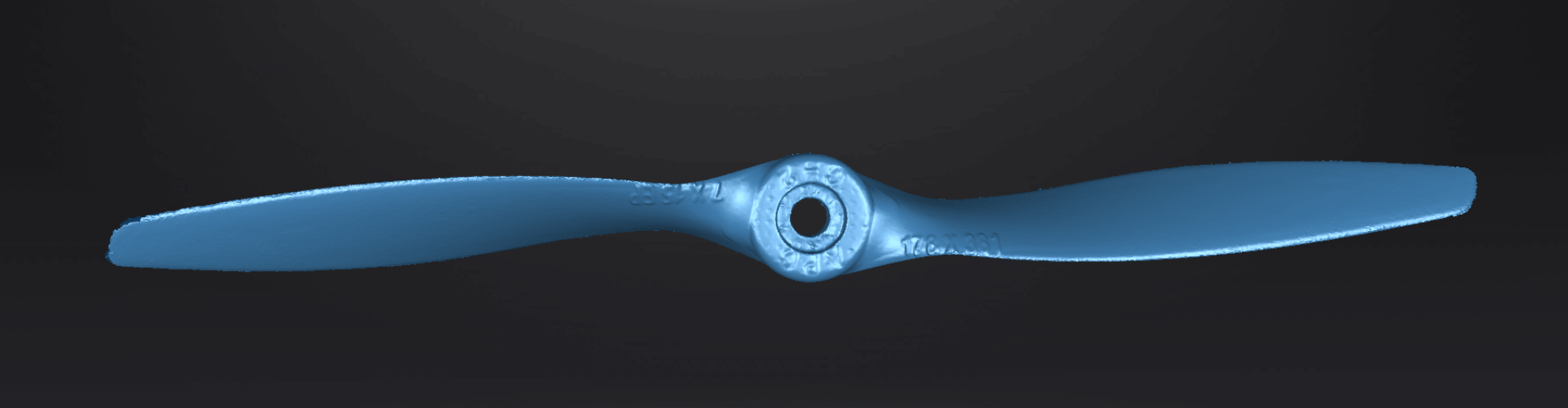
Point cloud data is a raw digital output composed of millions of discrete points in three-dimensional space, with each point defined by its X, Y, and Z coordinates. Together, these points accurately map the surface geometry of a scanned object, capturing its shape and structural details with high precision. Modern laser scanners and LIDAR systems are capable of collecting tens of millions of points in a single scan, enabling the accurate representation of even highly complex and freeform geometries.
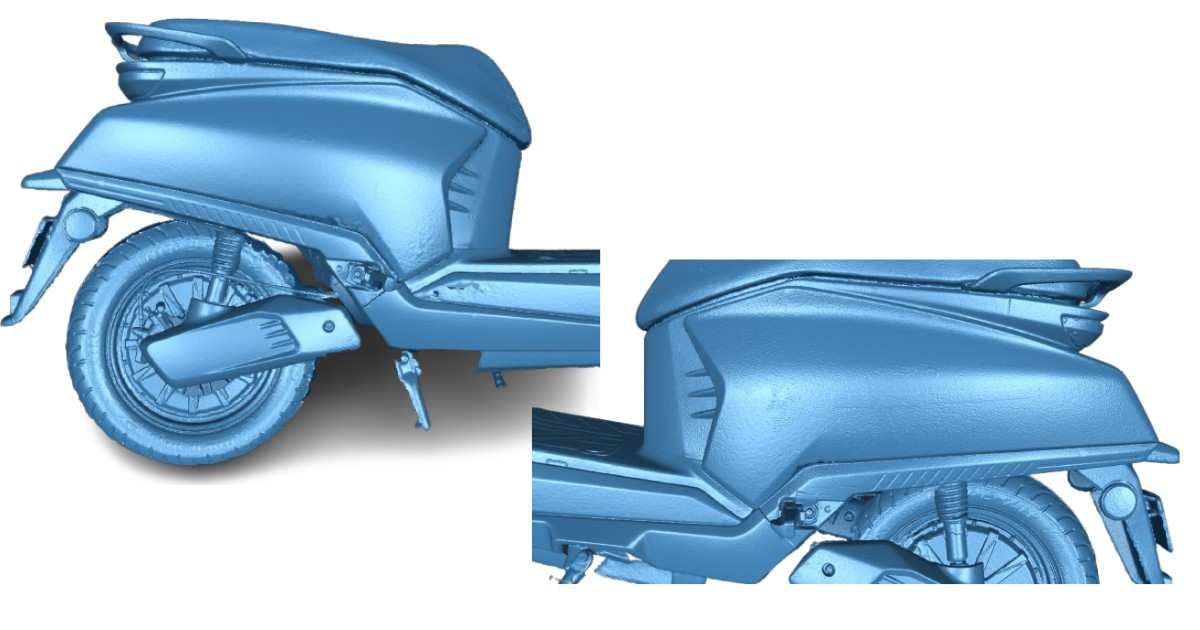
Mesh models are generated by converting point cloud data into a surface mesh composed of triangles or other polygonal elements. They provide a clear and visually coherent representation of an object’s surface geometry and are widely used for visualization, analysis, and 3D printing applications. While mesh models accurately capture external surface details, they are not ideal for direct design modifications or conventional manufacturing processes, as they lack parametric and feature-based information.
Editing mesh models can be complex and typically requires specialized sculpting or reverse engineering tools such as Geomagic Freeform or other digital sculpting software. These tools enable users to modify organic shapes, refine surface details, and prepare mesh models for further manufacturing workflows. Mesh models are most commonly exported in .STL format, which is the industry-standard file format for 3D printing. Our 3D scanners are capable of directly delivering mesh models in .STL format, eliminating the need for intermediate processing and enabling faster downstream workflows.
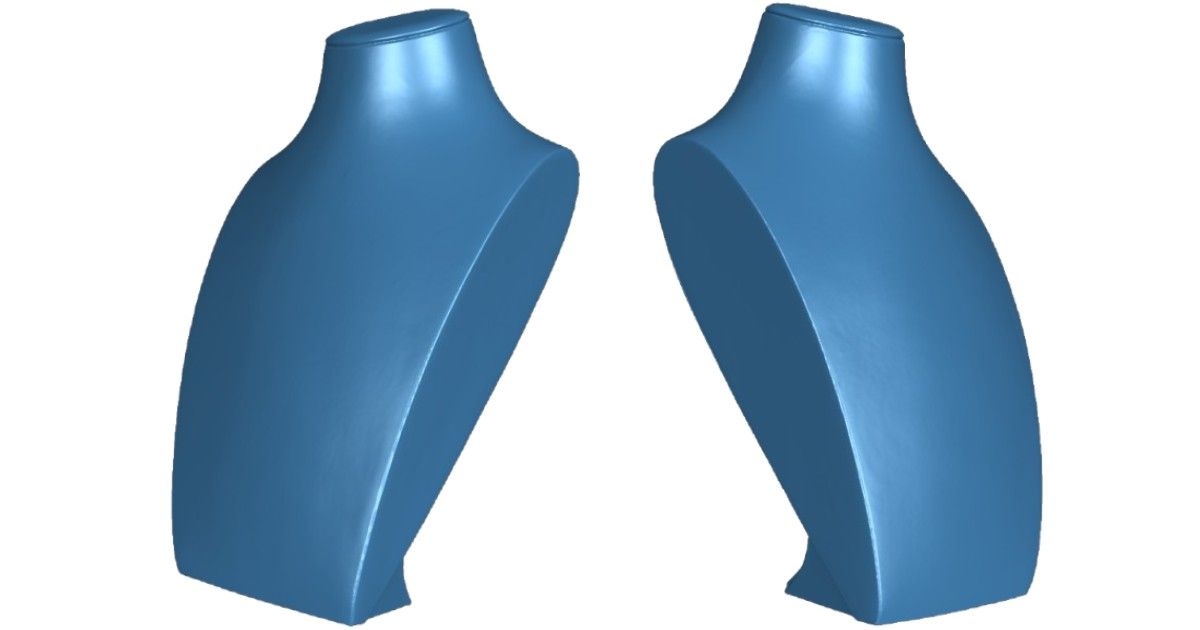
When an object is 3D scanned using color-capable 3D scanners such as Einscan, FARO 3D, or other scanners that can capture color information, mesh models can be delivered with realistic texture and color data. These scanners record not only the shape of the object but also its surface colors, resulting in textured mesh models that closely match the real-world appearance. Such textured mesh models can be exported in file formats that support color and texture information, making them suitable for visualization, presentation, and creative applications.
Reverse-engineered CAD models help connect design and manufacturing by allowing CAD data to be directly used in CAM software. This makes the production process faster and smoother. These models also help improve design work by converting “dumb” or non-editable solids into fully editable CAD models, giving engineers better control over the design. Reverse-engineered CAD data is commonly used to create accurate tools, dies, and molds, which helps speed up the manufacturing of complex parts. It is also useful for checking packaging and assembly fit, ensuring that products fit correctly within given space limits.
These CAD models can be imported into CAE software for simulations and analysis, helping engineers improve product strength, performance, and reliability. Reverse-engineered CAD models are widely used in 3D printing to create physical prototypes and functional parts. They also make it easier to modify, improve, or upgrade existing designs without starting from scratch. By adjusting these models, companies can create customized products based on specific needs. In addition, reverse engineering helps generate CAD models of existing parts for maintenance and aftermarket production. These models also support better teamwork by providing a common reference that design, engineering, and manufacturing teams can easily understand and use.
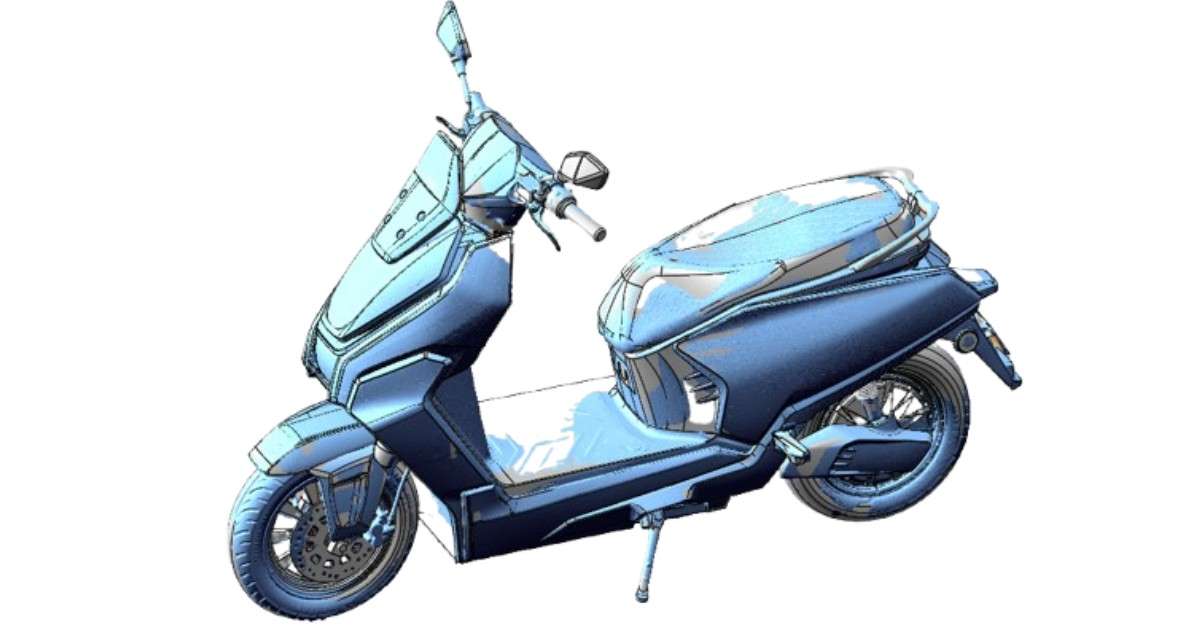
At RA Global, 3D scanning and reverse engineering are more than just technologies; we are practical solutions that help industries digitize, analyze, and optimize real-world assets with accuracy and efficiency. By delivering a complete range of outputs, including point cloud data, mesh models (with or without color textures), and fully reverse-engineered CAD models, RA Global supports every stage of the product and asset lifecycle.
Our expertise enables manufacturers to recreate legacy parts, improve existing designs, and move seamlessly from physical components to production-ready CAD models. From factory CAD modeling and scan-to-BIM solutions to precision inspection, simulation-ready CAD, and 3D printing support, RA Global ensures that each deliverable is tailored to your project requirements and end applications. Whether it is manufacturing, infrastructure, cultural heritage, geospatial analysis, or product development, our advanced 3D scanning and reverse engineering services help reduce time, minimize errors, and improve decision-making. By combining advanced scanning technologies with skilled engineering expertise, RA Global delivers reliable, accurate, and industry-ready digital solutions that empower organizations to innovate faster, maintain quality, and stay competitive in a rapidly evolving digital landscape.
© 2026 RA Global Tech Solutions
Site design and developed by Rajkar Global