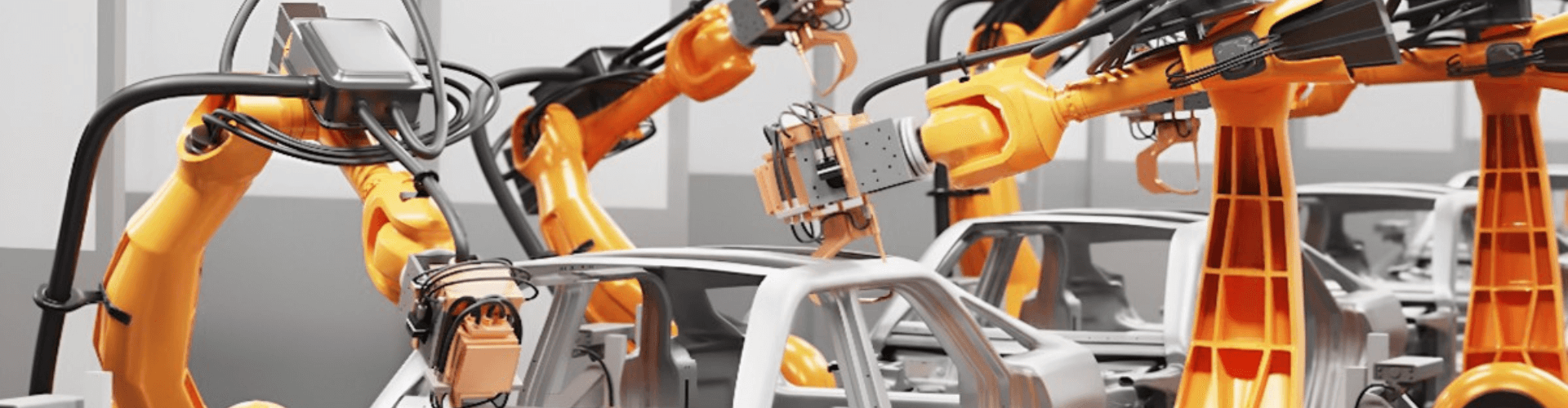
Robotic automation has transitioned from a futuristic concept to an essential part of modern industries. While human-like robots may still be a thing of science fiction, robotic automation is rapidly growing today. Introduced in the mid-1900s, it has now become the key to achieving a competitive advantage, maximum efficiency, and high-quality results. Technological advancements in artificial intelligence (AI), robotics, and machine learning have fueled the evolution of the production process, making automation a vital component in Manufacturing Services and beyond. Businesses of all sizes are embracing robotic automation due to its affordability, flexibility, and effectiveness in increasing productivity and reducing costs.
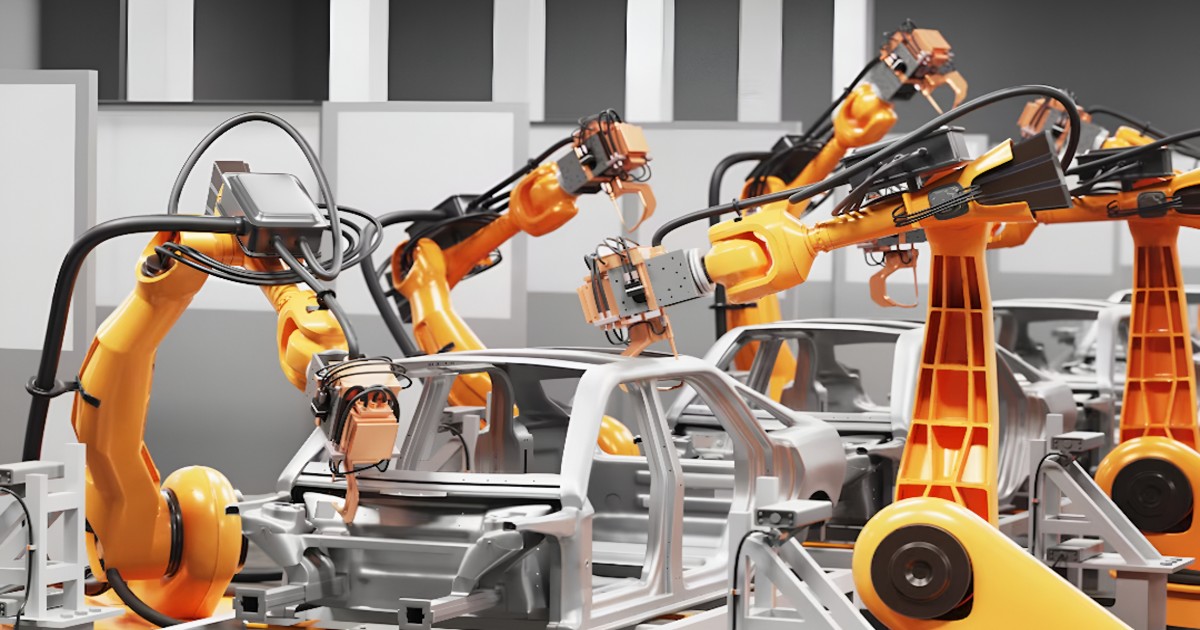
In this blog, we will explore the numerous benefits of robotic automation and understand why it is essential for businesses in today’s competitive landscape.
Contrary to the popular belief that robots take away jobs, robotic automation leads to job creation. In developed countries, manufacturing costs are high due to a shortage of human capital, often forcing companies to outsource production to countries with a larger labor force, such as China, Bangladesh, and India. However, with the integration of robotic automation, companies can establish manufacturing facilities domestically, leading to increased employment opportunities.
The growth of automation does not eliminate the need for human labor; rather, it shifts the focus to high-skilled jobs. Companies require technical support staff, engineers, robotic designers, programmers, and managers to oversee automated processes. These roles demand specialized expertise, creativity, and engagement, unlike traditional repetitive assembly-line jobs.
Additionally, as robotic automation advances, it fosters innovation by bringing together skilled professionals who work collaboratively to develop new technologies and improve existing ones. The resulting innovation drives economic growth, enhances productivity, and helps businesses stay competitive in the global market.
The demand for automated machinery in manufacturing has surged over time, leading to significant reductions in production costs. While daily wages for laborers continue to rise, the cost of purchasing and implementing robotic systems has decreased, making automation an economically viable solution for businesses. Unlike human workers, robots do not require breaks, rest, or incentives. They can work around the clock without compromising efficiency, ensuring continuous production at optimal speed and accuracy.
One of the greatest advantages of robotic automation is its ability to enhance product quality. Unlike humans, robots perform tasks with unparalleled precision, eliminating the risk of human error in manufacturing. Automated systems can be programmed to conduct thorough inspections, identifying defects and inconsistencies that may otherwise go unnoticed. With fewer errors and minimal material waste, companies can produce consistent, high-quality products while reducing production costs.
Additionally, companies can implement "lights-out manufacturing," a methodology where automated systems operate without the need for human presence. As the name suggests, businesses can literally switch off the lights while the machines continue production. This approach not only minimizes operational costs but also maximizes productivity by ensuring uninterrupted manufacturing processes.
One of the key advantages of robotic automation is its scalability and adaptability to various industries. Businesses, regardless of their size, can benefit from automation without the need for substantial investments. As the cost of purchasing automated systems declines, both large-scale and small-scale manufacturers can integrate robotics into their operations.
Modern robotic systems are highly versatile and can be reprogrammed to perform new tasks with ease. Unlike traditional machinery, which is designed for specific functions, robots can be adjusted and trained to adapt to different environments and requirements. Whether working independently or collaborating with human employees, robotic systems enhance productivity and efficiency in diverse industries, including Product Design And Development Services, manufacturing, healthcare, agriculture, and logistics.
Moreover, intelligent robots are capable of learning from their surroundings and optimizing their performance accordingly. This flexibility allows businesses to introduce customized modifications to improve product quality and meet specific market demands. The ability of robots to adjust and learn makes them invaluable assets for companies looking to stay ahead in an increasingly competitive landscape.
Robotic automation extends beyond the manufacturing sector, influencing various industries and enhancing operational efficiency. Some key industries benefiting from automation include:
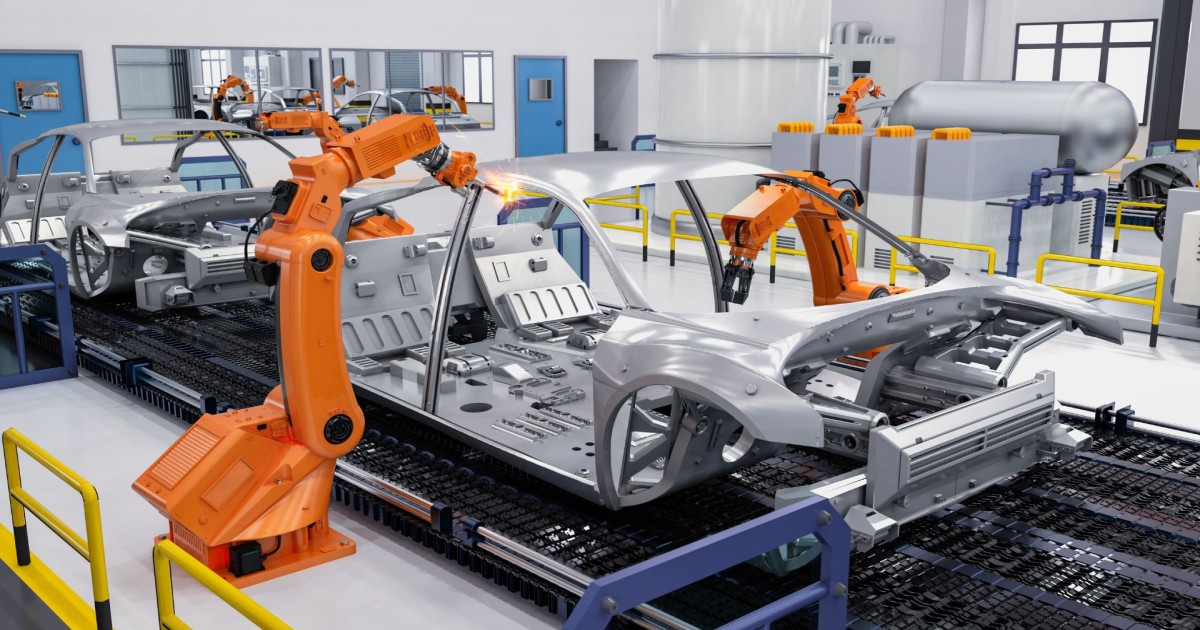
As technology continues to advance, the future of robotic automation looks promising. AI-driven robots are becoming more intelligent, allowing them to handle complex tasks that require problem-solving and adaptability. The integration of the Internet of Things (IoT) and machine learning further enhances the capabilities of robotic systems, enabling them to operate with minimal human intervention.
In the coming years, businesses that embrace robotic automation will gain a competitive edge, benefiting from increased productivity, cost savings, and superior product quality. As automation becomes more accessible, industries worldwide will continue to evolve, driving innovation and shaping the future of work.
Robotic automation is no longer a distant concept but a transformative reality that is reshaping industries across the globe. By improving efficiency, reducing costs, enhancing product quality, and creating new job opportunities, automation is an essential component of modern business strategies. As the demand for automation grows, companies that invest in robotic technology will thrive in an increasingly competitive market.
The future of robotics is not about replacing human workers but rather augmenting human capabilities and fostering collaboration between man and machine. Businesses that leverage the power of automation will not only optimize their operations but also contribute to economic growth and technological advancement. The time to embrace robotic automation is now—those who adapt will lead the way toward a more efficient, innovative, and prosperous future.
In today’s world, climate change is an alarming issue that requires immediate attention. Our planet faces numerous environmental threats, many of which are exacerbated by human activity. The most viable solution to counter these challenges is to adopt sustainable practices at both individual and corporate levels. While individuals can make small yet meaningful changes, companies must take a proactive role in implementing sustainability from the ground up.

Sustainability focuses on meeting the needs of the present without compromising the ability of future generations to meet their own needs (Grant, 2020). This principle applies across industries, influencing how Manufacturing Services are designed, executed, utilized, and ultimately optimized for minimal environmental impact.
With increasing awareness, customers are demanding more sustainable products. However, rather than fully embracing sustainability, some companies resort to greenwashing—marketing their products as environmentally friendly without making significant changes. This deceptive practice must be replaced with genuine sustainability efforts that prioritize long-term environmental and social benefits.
The most effective way for companies to embrace sustainability is to embed it within their Product Design And Development Services. The decisions made at these stages determine a product’s environmental footprint, making it crucial to consider sustainability from inception.
Sustainable Manufacturing and Transportation: Companies should assess each phase of production with sustainability in mind. Reducing energy consumption, minimizing water waste, and opting for renewable resources in manufacturing can significantly lower environmental impact. Additionally, making products and packaging smaller and lighter enhances transportation efficiency, reducing fuel consumption and emissions.
Eco-Friendly Packaging: Packaging plays a crucial role in sustainability. Companies must move away from excessive and non-biodegradable materials, such as single-use plastics, in favor of greener alternatives. While sustainable packaging may not always be visually appealing or flashy, it has a far greater positive impact on the environment.
Fostering a Green Company Culture: Sustainable transformation starts from within. Companies need to cultivate a culture where sustainability is embedded in their values and operations. Employees should be encouraged to develop and implement eco-friendly solutions, reducing the overall environmental impact of products and business practices.
End-of-Life Considerations: Designing products with their end-of-life in mind is essential for sustainability. Companies can develop items that are recyclable, upcyclable, or biodegradable. A circular economy approach, where used products are repurposed or their components extracted for reuse, ensures minimal waste. For example, products can be designed so that companies can retrieve materials and repurpose them for future manufacturing.

Many businesses hesitate to adopt sustainable practices due to perceived high costs. However, sustainability is not just an ethical choice—it is a financially sound decision. Companies that implement green solutions often experience long-term profitability through cost savings, improved brand reputation, and customer loyalty. Sustainability benefits people, the planet, and profit, proving that environmentally conscious choices are a win-win for businesses and society.
Companies can no longer afford to take a backseat when it comes to sustainability. They must actively integrate eco-friendly practices into every stage of their operations. By doing so, they will not only reduce their environmental impact but also align with the growing demand for responsible business practices. The time to act is now—sustainability is no longer an option but a necessity for a thriving future.
© 2026 RA Global Tech Solutions
Site design and developed by Rajkar Global