
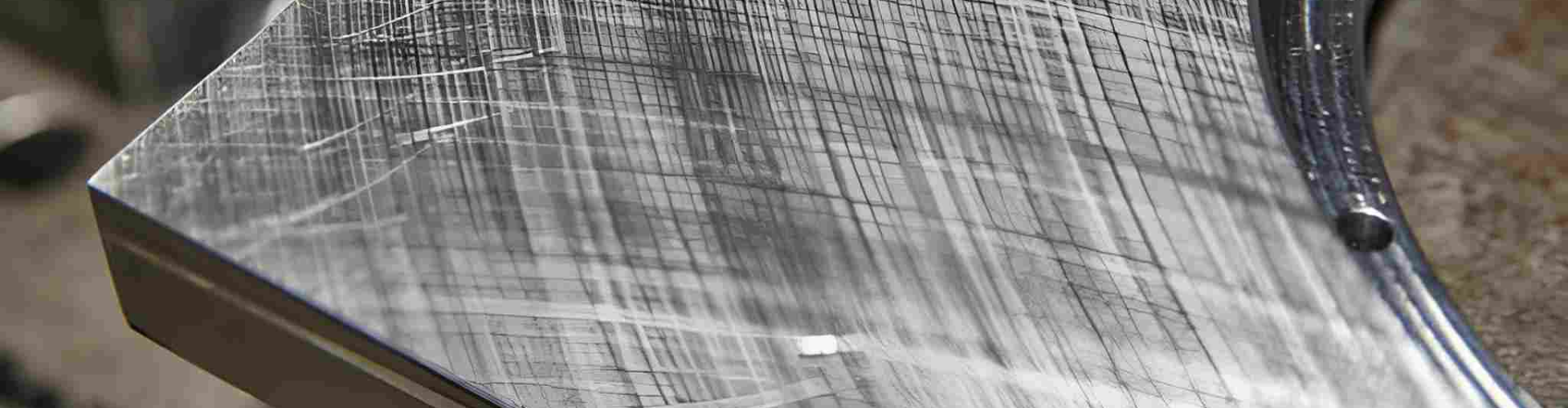
Surface roughness is a fundamental concept in manufacturing, engineering, and product design. While components may appear smooth to the naked eye, every surface contains microscopic irregularities that significantly influence how a part performs, interacts, and lasts over time. Understanding and controlling surface roughness is essential for ensuring product quality, functionality, and reliability across industries.
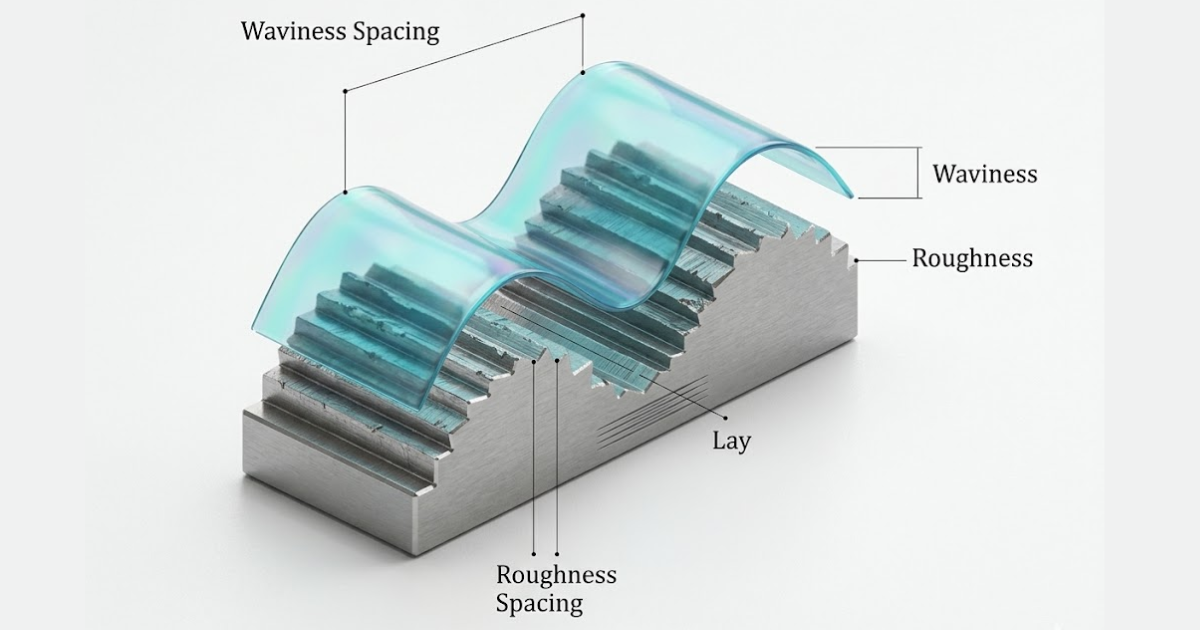
Surface roughness refers to the small, finely spaced deviations from the nominal surface of a material. These irregularities are typically produced during manufacturing processes such as milling, turning, grinding, or additive manufacturing. Even highly polished surfaces are not perfectly flat; instead, they consist of microscopic peaks and valleys that form a measurable surface profile. These micro level deviations distinguish surface roughness from larger scale imperfections like waviness or form errors. In practical terms, surface roughness defines how smooth or rough a surface is, and this characteristic directly affects how a component behaves under real world conditions, including friction, wear, and interaction with other parts.
Surface roughness measurement is not merely a routine inspection step; it is a critical factor in ensuring that components perform as intended across various applications.
Quality Control: In quality control, surface roughness is often specified in engineering drawings and manufacturing standards. Measuring it allows manufacturers to verify whether components meet required specifications through advanced quality inspection solutions using 3D scanning technologies. This helps maintain product consistency, optimize production processes, and reduce rejection rates.
Performance & Durability Enhancement: Optimizes surface characteristics of components like gears, bearings, and seals to achieve the right balance of friction and wear. This improves reliability, extends service life, and minimizes the risk of mechanical failure.
Lubrication Optimization: Controls surface texture to ensure micro-valleys retain lubricants effectively. This supports stable lubrication, reduces heat and wear, and enhances overall component performance.
Friction and Wear Control: Surface roughness also plays a vital role in controlling friction and wear. The interaction between two surfaces is heavily influenced by their texture. Rough surfaces tend to increase friction and accelerate wear due to abrasive contact, while overly smooth surfaces may reduce the effectiveness of lubrication. Therefore, achieving an optimal level of roughness ensures better performance, reduced heat generation, and longer component life.
Coating and Adhesion: In sealing and adhesion applications, surface roughness must be carefully controlled. Surfaces that are too rough may create leakage paths, while surfaces that are too smooth may fail to provide adequate grip for sealing elements like gaskets. Similarly, in coating and adhesive processes, a certain degree of roughness enhances bonding strength by increasing surface area, whereas excessively smooth surfaces can lead to poor adhesion.
Assembly and Functionality: Surface roughness is equally important in assembly and functionality. It affects how components fit together, particularly in precision engineering applications. Excessive roughness can lead to misalignment or interference during assembly, while smoother surfaces enable better motion in sliding or rotating parts. Even small variations in surface finish can significantly impact the overall performance of mechanical systems.
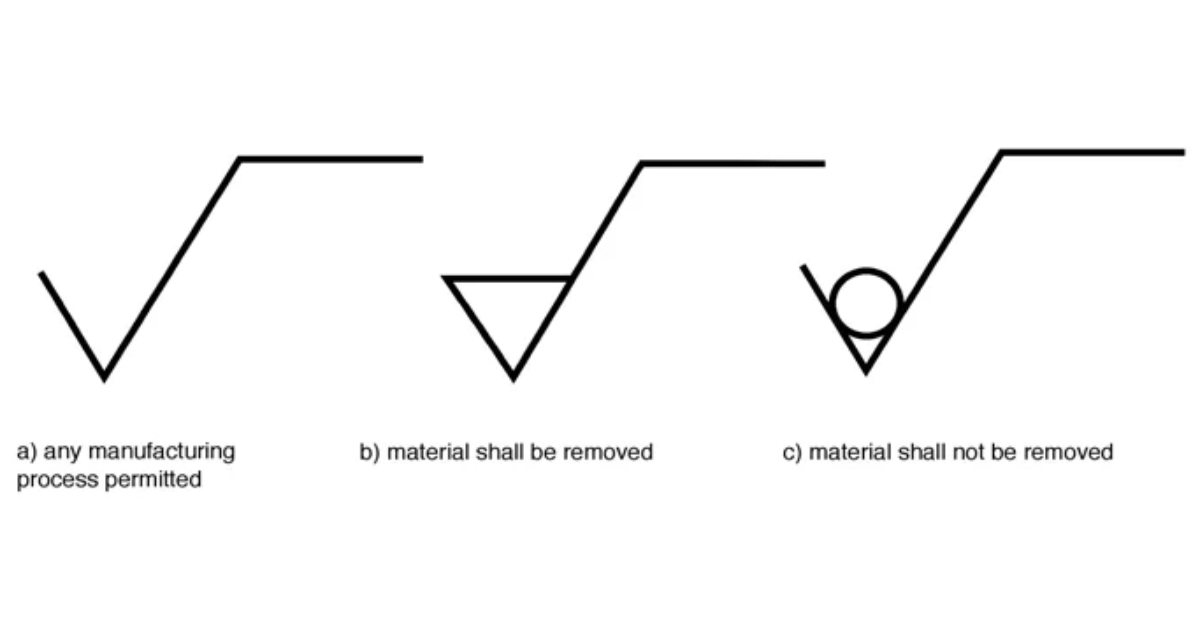
Surface roughness is quantified using standardized parameters that allow engineers to describe and control surface characteristics effectively.
Ra: Ra, or roughness average, is the most commonly used parameter. It represents the average deviation of the surface profile from the mean line over a specified length. This parameter provides a general indication of surface smoothness and is widely accepted due to its simplicity. However, it does not capture extreme peaks or valleys, making it less sensitive to localized irregularities.
Rz: Rz, known as mean roughness depth, measures the average difference between the highest peaks and lowest valleys across several sampling lengths. Compared to Ra, it provides a more detailed understanding of surface variations and is particularly useful in applications where peak to valley differences affect functionality.
Rp: Rp, or maximum profile peak height, indicates the height of the highest peak above the mean line within a sampling length. This parameter is important in contact and wear applications, as excessively high peaks can lead to increased friction and localized stress concentrations.
Rv: Rv, or maximum profile valley depth, measures the depth of the deepest valley below the mean line. This parameter is critical in applications involving lubrication and sealing, as deeper valleys can serve as reservoirs for lubricants or influence fluid retention. Together, these parameters offer a comprehensive view of a surface’s texture, enabling engineers to make informed decisions based on functional requirements.
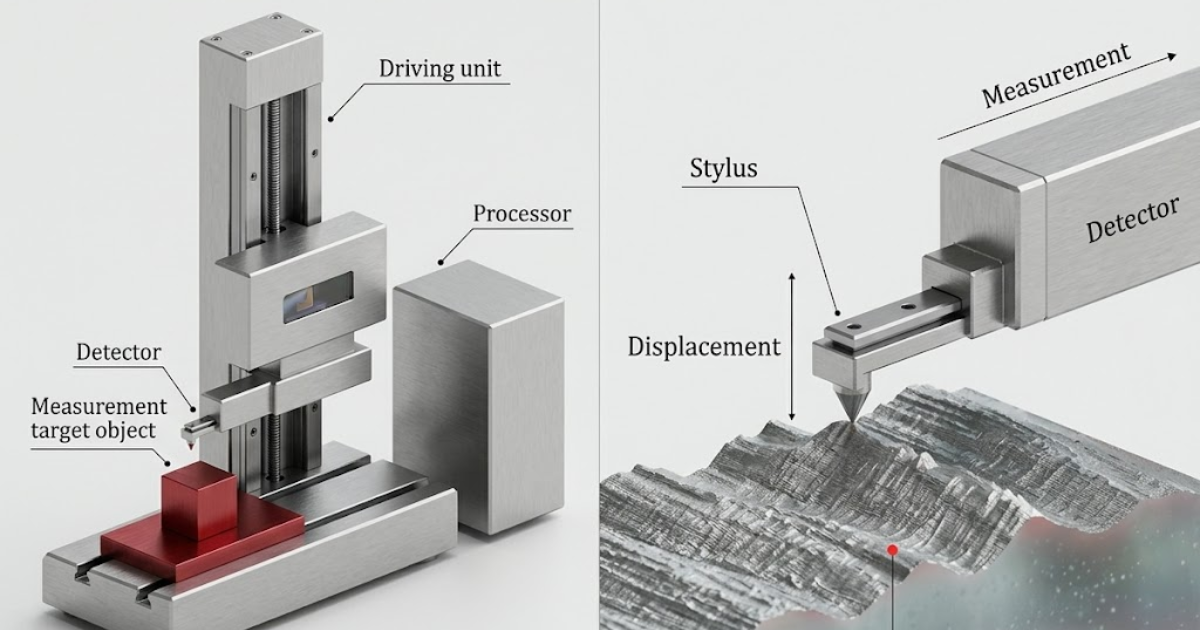
Surface roughness can be measured using a range of techniques, broadly classified into contact and noncontact methods, each suited to different applications and material types.
Contact Methods: Contact methods involve direct physical interaction with the surface, most commonly through the use of a stylus profilometer. In this method, a diamond tipped stylus moves across the surface, and its vertical displacements are recorded to generate a surface profile. This technique is widely used due to its accuracy and established standards. However, it has limitations, such as the potential to damage soft materials, slower measurement speed, and difficulty in capturing complex geometries.
Noncontact Methods: Noncontact methods, on the other hand, use advanced optical or laser based technologies to measure surface roughness without physically touching the surface. Optical profilers operate by projecting light onto the surface and analyzing the reflected signals to create a high resolution 3D map. These systems are ideal for delicate or micro scale components, as they eliminate the risk of surface damage while providing detailed measurements. However, they can be sensitive to environmental conditions and tend to be more expensive.
Laser 3D Scanning: Laser scanning is another widely used noncontact technique that involves scanning the surface with a laser beam and analyzing the reflected light to determine height variations. This method is particularly useful for measuring large or complex surfaces due to its speed and flexibility. However, its performance can be affected by highly reflective or transparent materials, and its resolution may be slightly lower than that of optical interferometry.
Surface roughness has a direct impact on product performance, durability, and user experience, making it a critical factor in engineering design and manufacturing.
Friction and Wear: In terms of friction and wear, the surface texture determines how two components interact under motion. Rough surfaces increase resistance and accelerate wear, while optimized roughness improves efficiency and extends the lifespan of components.
Sealing Performance: Surface roughness also plays a crucial role in sealing performance. In applications such as hydraulic systems or engines, controlled surface finish ensures proper sealing and prevents leakage, which is essential for maintaining system efficiency and safety.
Coating and Painting: In coating and painting processes, surface roughness significantly affects adhesion. Slightly rough surfaces provide better bonding for coatings, while excessively smooth surfaces may lead to coating failure or peeling over time.
Appearance and Aesthetics: Additionally, surface finish influences the appearance and aesthetics of a product. Smooth surfaces are often associated with high quality, premium finishes, while textured surfaces may be intentionally designed for grip or visual appeal. In consumer facing products, surface quality can directly impact brand perception and customer satisfaction.
Surface roughness is a critical consideration across a wide range of industries, each with its own specific requirements and performance expectations.
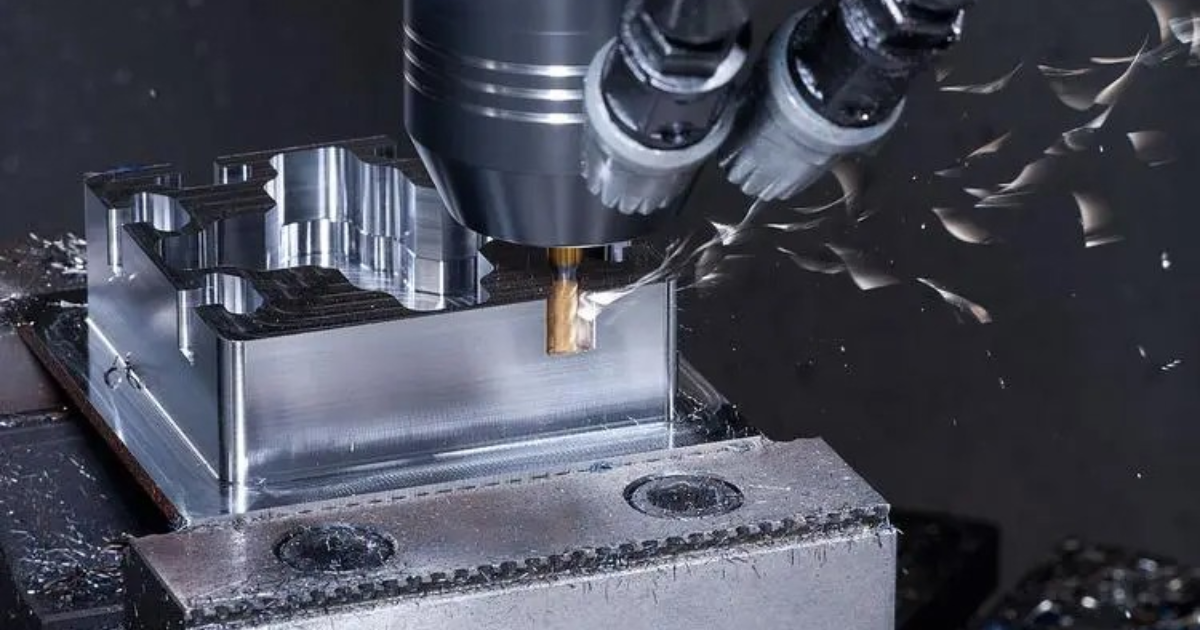
CNC Machining: In CNC machining, surface finish is a key indicator of quality and precision. It affects not only the appearance of machined parts but also their dimensional accuracy and functional performance. Maintaining the desired roughness ensures that components meet design specifications and perform reliably in operation.
Aerospace and Automotive: In the aerospace and automotive industries, surface roughness plays a vital role in ensuring efficiency, safety, and durability. Engine components require optimized surface finishes for effective lubrication, while aerodynamic surfaces must be smooth to reduce drag and improve performance. Components must meet strict surface quality standards, often achieved and validated through advanced inspection and reverse engineering solutions. Additionally, safety critical parts must adhere to strict surface quality standards to ensure reliability under extreme conditions.
Medical and Biotechnology: In the medical and biotechnology fields, surface roughness is particularly important for biocompatibility and functionality. For example, implants often require controlled roughness to promote bone integration, while surgical instruments and medical devices need smoother surfaces to ensure hygiene and ease of sterilization. The balance between roughness and smoothness is essential to meet both biological and operational requirements.
At RA Global, we help industries measure surface roughness using advanced contact and non-contact technologies, enabling smoother operations while ensuring consistent quality and precision. Surface roughness is far more than a simple measure of smoothness; it is a critical factor that influences the performance, reliability, and longevity of engineered components. From quality control and friction management to sealing, adhesion, and aesthetics, its impact is both broad and significant. By understanding key parameters such as Ra, Rz, Rp, and Rv, and by selecting appropriate measurement methods, whether contact or noncontact, engineers can effectively control and optimize surface characteristics. As industries continue to demand higher precision and performance, mastering surface roughness will remain essential for innovation and success in modern manufacturing.
© 2026 RA Global Tech Solutions
Site design and developed by Rajkar Global