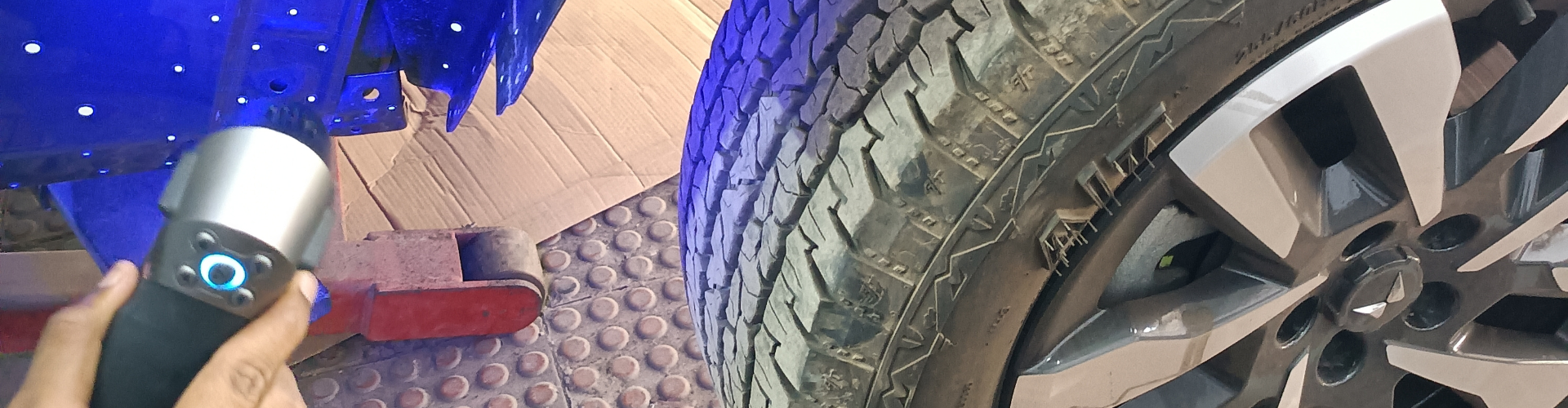
Imagine an automotive company developing a new electric vehicle. Engineers need to design a lightweight body, ensure perfect fitting of hundreds of components, test aerodynamics, and still launch the model faster than competitors. Earlier, this process took years and relied heavily on manual measurements and physical trial-and-error. Today, 3D scanning has transformed this journey
By capturing the exact shape and dimensions of vehicles and components in the form of digital 3D data, 3D scanning allows automotive manufacturers to move faster, reduce errors, and improve quality. From concept cars to production vehicles and even aftermarket customization, 3D scanning has become a core technology in the automotive industry.
At RA Global, advanced 3D scanning solutions support automotive companies across the entire product lifecycle, from concept design and prototyping to quality inspection, reverse engineering, and vehicle digitization.
In this blog, we explore the top 5 applications of 3D scanning in the automotive industry and how it supports innovation, accuracy, and efficiency at every stage.
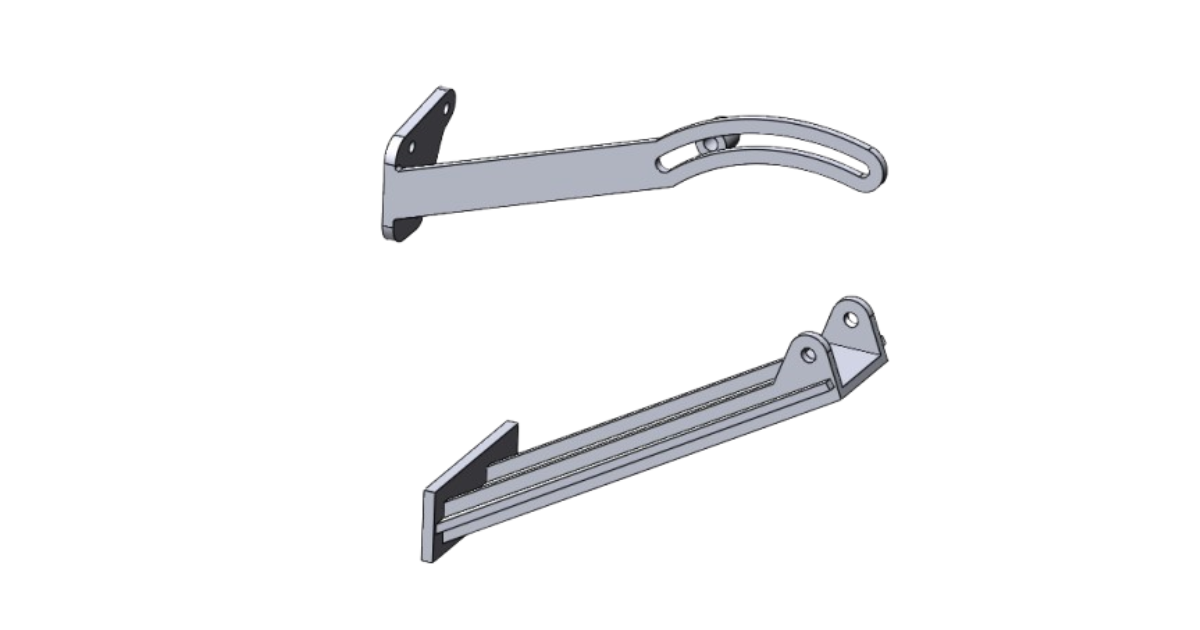
3D scanning plays a major role in automotive design and prototyping by helping engineers quickly convert physical models into accurate digital data. When designers develop clay models, handcrafted components, or early stage prototypes, high resolution 3D scanners capture their exact geometry and dimensional details, transforming them into accurate 3D CAD models. These digital models can then be directly used for rapid prototyping technologies such as 3D printing and CNC machining, allowing fast iteration of design concepts.
This integration allows design teams to refine surfaces, verify symmetry, assess fitment, and validate functional intent without repeatedly rebuilding physical prototypes. By combining 3D scanning with rapid prototyping, automotive manufacturers significantly reduce development lead time, minimize design rework, and accelerate the transition from concept validation to production ready designs.
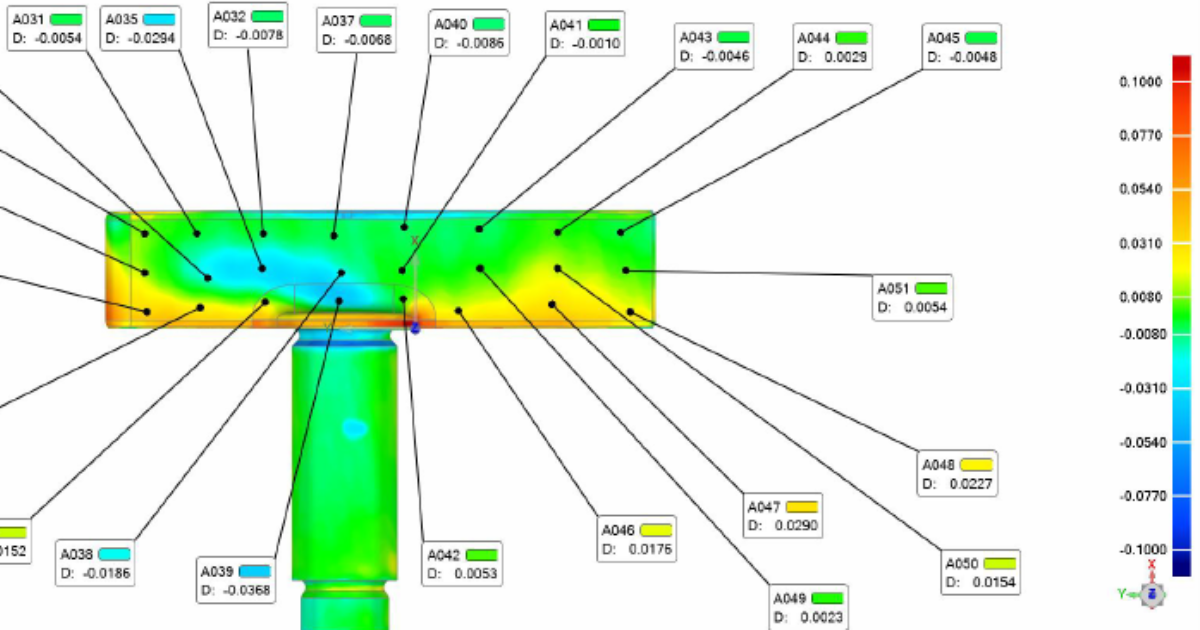
In automotive manufacturing, even small dimensional errors can affect vehicle safety and performance, which makes quality control extremely important. 3D scanning enables fast and non-contact inspection of parts by comparing scanned data with the original 3D CAD design. This method allows manufacturers to inspect complete surfaces instead of checking only a few points, helping detect deformations, misalignments, and manufacturing defects early. As a result, 3D scanning improves accuracy, reduces rework and scrap, and ensures consistent quality across large production volumes.
3D scanning is widely used for reverse engineering when original design data is unavailable or outdated. By 3D scanning existing automotive components, engineers can recreate precise digital models that match the real part geometry. This is especially useful for legacy vehicles, discontinued parts, and aftermarket development. The 3D scanned data can be modified to improve performance, update designs, or adapt parts for modern manufacturing processes. Reverse engineering with 3D scanning saves time, lowers development costs, and ensures high accuracy in part reproduction.
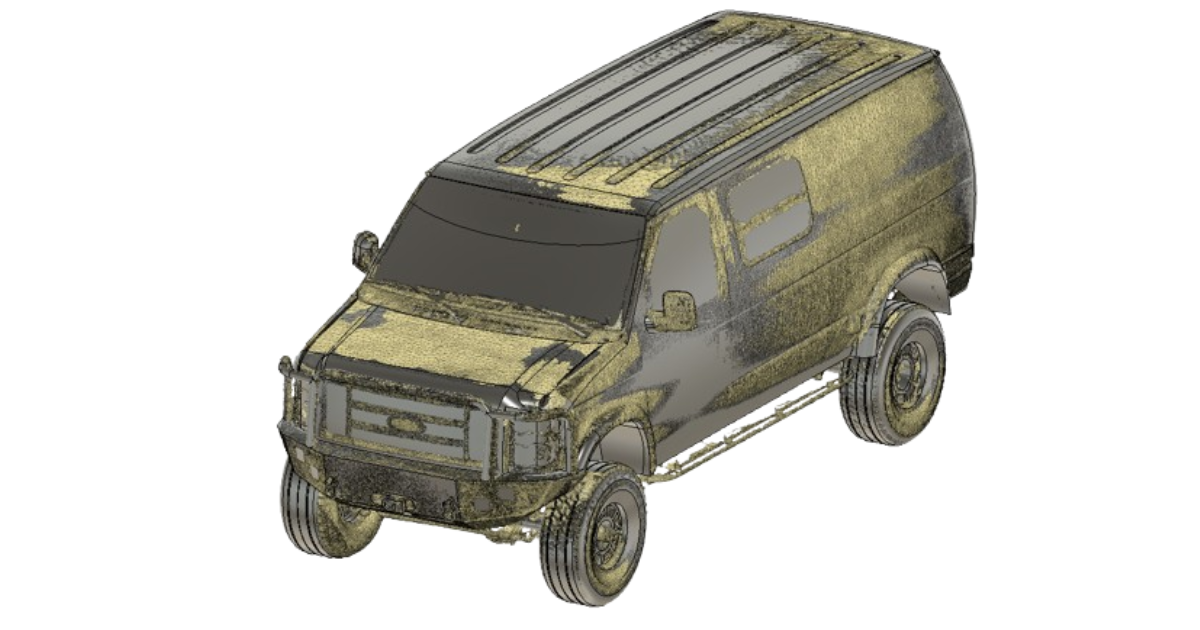
Automotive performance depends heavily on aerodynamics, structural alignment, and component fitment, all of which can be improved using 3D scanning. By capturing real-world vehicle geometry, engineers gain accurate data for simulations such as airflow analysis and structural testing. Unlike theoretical 3D CAD models, 3D scanned data reflects actual manufacturing conditions, helping identify performance losses caused by misalignments or shape deviations. This allows manufacturers to optimize fuel efficiency, vehicle stability, cooling performance, and overall driving comfort.
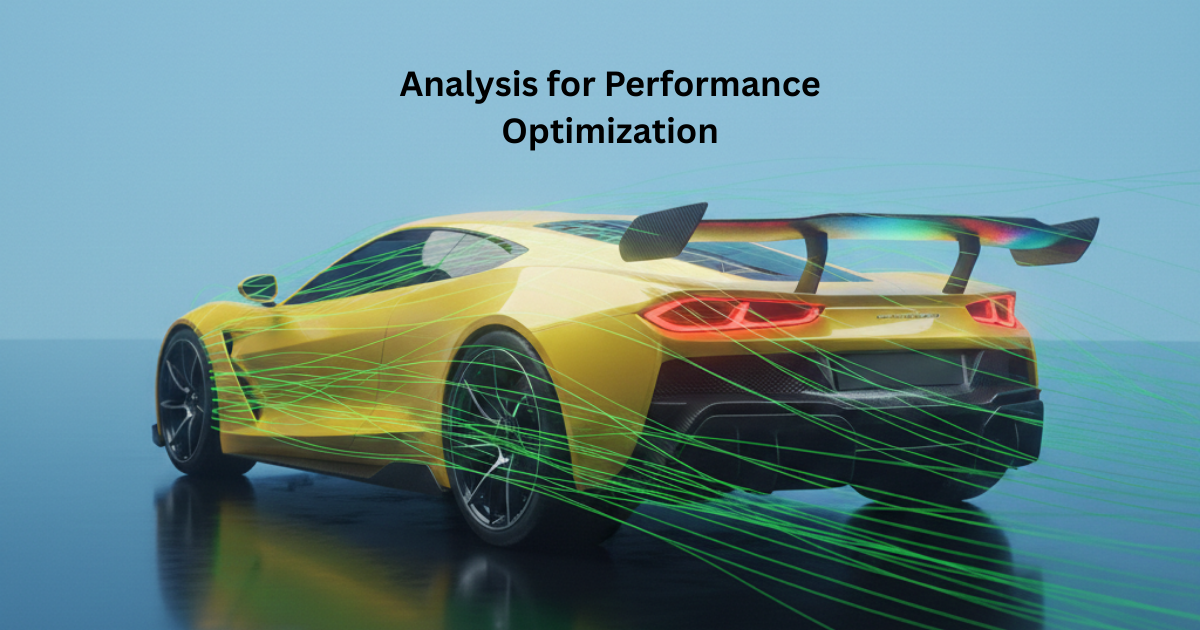
3D scanning enables complete vehicle digitization by creating precise digital twins of vehicles or individual components. These digital models support customization, allowing manufacturers and aftermarket providers to design perfectly fitted parts such as body kits, interiors, and accessories. By 3D scanning the actual vehicle, designers avoid trial and error and ensure exact fitment. Vehicle digitization also supports smart manufacturing, digital documentation, and lifecycle management, making 3D scanning an essential tool for modern and future automotive solutions.
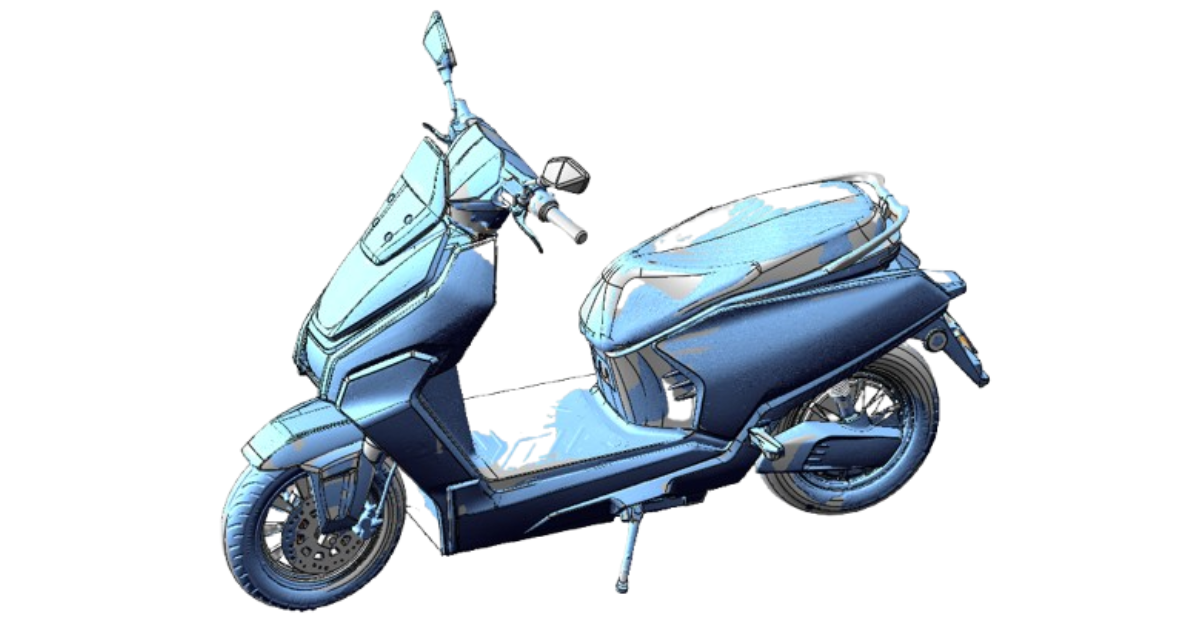
3D scanning has evolved from a supportive measurement tool into a strategic enabler of modern automotive and mobility engineering. By seamlessly connecting physical reality with digital intelligence, it empowers manufacturers to move faster, design smarter, and validate with confidence across the entire product lifecycle. From rapid prototyping and quality inspection to reverse engineering, performance optimization, and full vehicle digitization, 3D scanning delivers measurable gains in accuracy, efficiency, and time to market.
At RA Global Tech Solutions, this capability is strengthened by deep domain expertise in automation and mobility systems. We support automation industries worldwide with proven experience in reverse engineering and the design, development, and validation for both automotive applications. Our solutions are trusted across high-performance and luxury platforms such as Ferrari and Mercedes-Benz, as well as electric and mass-market vehicles including Tesla, Bajaj, and Tata Motors.
Our engineering capabilities extend across vehicle systems operating in key industrial and urban hubs worldwide, including Coimbatore, Chennai, Paris, Toronto, Germany, Durham, Italy, and Dubai. By combining advanced 3D scanning with simulation-driven design and rigorous validation, RA Global Tech Solutions helps manufacturers transform complexity into clarity, reduce development risk, and bring robust, high-performance mobility solutions to market, faster and with confidence
© 2026 RA Global Tech Solutions
Site design and developed by Rajkar Global