
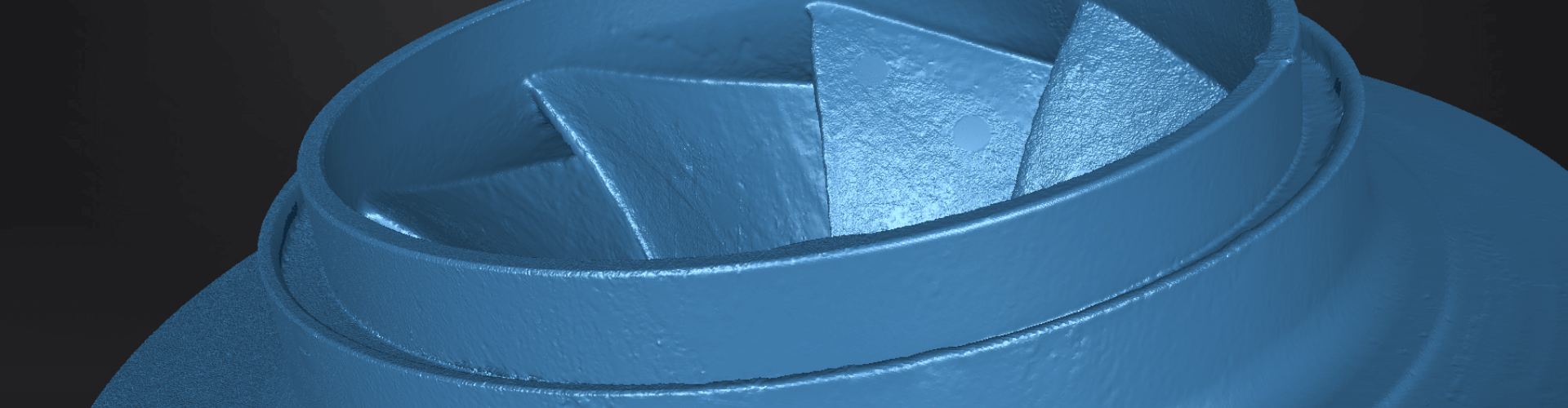
3D scanning and reverse engineering have transformed the way industries capture, analyze, and reproduce physical objects. These technologies convert real-world objects into precise digital models, enabling manufacturers, engineers, designers, and researchers to work with accurate 3D data. By bridging the physical and digital worlds, 3D scanning and reverse engineering streamline workflows, reduce errors, and accelerate product development.
3D reverse engineering involves creating a digital replica of an existing physical object or component. It has become an essential technology across a wide range of industries, from aerospace and automotive to consumer goods and healthcare
Across various industries, these technologies are not just a convenience; they are becoming essential for design optimization, quality assurance, and innovation. In this blog, we explore how 3D scanning and reverse engineering are applied across different sectors and their real-world benefits.
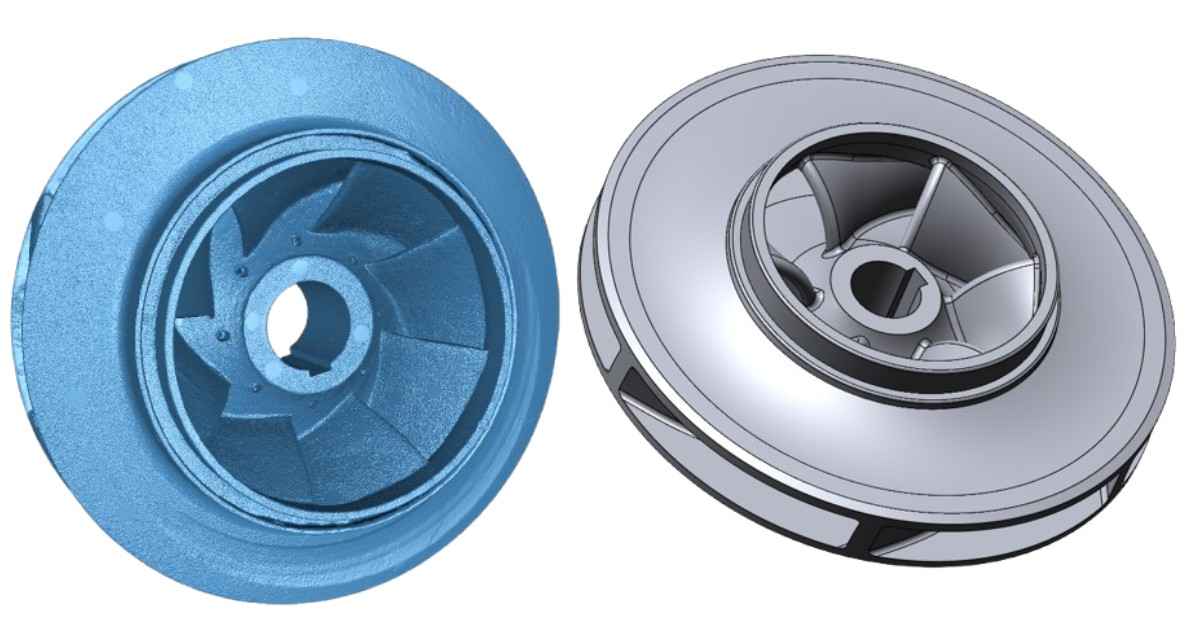
The automotive industry is one of the largest adopters of 3D reverse engineering, using it to analyze and improve existing vehicle components and systems, which helps reduce costs, enhance efficiency, and boost overall performance and safety. One key application is the reverse engineering of legacy parts, where manufacturers can recreate obsolete or worn-out components by 3D scanning existing parts to produce accurate 3D CAD models, eliminating the need for original blueprints. 3D scanning also plays a critical role in quality control and inspection, enabling precise dimensional checks, tolerance analysis, and verification of manufactured components against design specifications.
Additionally, it supports rapid prototyping, allowing engineers to scan prototypes, make digital modifications, and produce updated versions through additive manufacturing. Reverse-engineered 3D CAD data is also used in tooling and mold design, helping create precise dies, molds, and jigs, reducing production errors, and accelerating time-to-market. By leveraging these capabilities, automotive companies can optimize design, production, and quality processes, staying competitive in a fast-paced industry.
In aerospace and defense, 3D reverse engineering is widely used to study and enhance aircraft and military equipment. By generating precise digital models of complex systems, engineers can identify areas for improvement, optimize performance, and reduce the risk of malfunctions or failures. Key applications include aircraft component analysis, where 3D scanning inspects critical parts such as turbine blades, airframes, and engines to detect wear or deviations from specifications. Reverse engineering is also used for retrofits, allowing old or custom aerospace components to be recreated for upgrades or replacements without relying on outdated documentation. Additionally, 3D scan data can be converted into 3D CAD models for advanced simulations, including structural, thermal, and aerodynamic analyses, helping engineers refine designs and ensure optimal performance and safety.
In healthcare, 3D reverse engineering is applied to medical devices, implants, prosthetics, and surgical instruments, allowing engineers and designers to refine performance, reduce risks, and improve reliability. By 3D scanning patients’ anatomy, custom prosthetics, orthotics, and implants can be created to ensure a perfect fit. Reverse-engineered anatomical models also enable surgeons to plan complex procedures virtually before entering the operating room, improving precision and outcomes. Additionally, 3D scan-based 3D CAD models facilitate the rapid prototyping of surgical instruments and medical devices, accelerating development and enhancing the quality and safety of healthcare solutions.
The consumer goods sector leverages 3D reverse engineering to create accurate digital models of products for design, testing, and production, ensuring they meet quality standards, improve functionality, and satisfy customer expectations. This technology supports rapid product development, allowing designers to 3D scan prototypes and make quick design iterations without starting from scratch. It also enables customization, making it possible to create bespoke products such as personalized footwear, eyewear, or gadgets. Additionally, scan data can be directly used for 3D printing, facilitating the additive manufacturing of both prototypes and finished products, which accelerates production and enhances overall efficiency.
3D scanning and 3D reverse engineering have become essential tools in the mining industry, helping companies monitor and maintain critical equipment while optimizing operations. 3D scan data enables precise inspection of pipelines, valves, turbines, and other machinery to detect wear, deformation, or potential failures. Obsolete or critical components can be reverse-engineered and recreated for repairs, reducing downtime and increasing operational efficiency. Additionally, accurate 3D models of mining sites support infrastructure planning, plant layout, retrofitting, risk analysis, and simulation of mining processes, ultimately improving productivity, safety, and profitability.
3D scanning and 3D reverse engineering are no longer niche technologies; they are essential tools across industries, helping companies improve efficiency, reduce errors, and innovate faster. From manufacturing and aerospace to healthcare, heritage preservation, and consumer products, these technologies are redefining how we design, produce, and maintain physical assets.
At RA Global, we specialize in delivering precise 3D scanning and reverse engineering solutions tailored to your industry and project needs. Whether it’s recreating legacy parts, developing prototypes, or creating accurate digital replicas, our expertise ensures accurate, actionable, and industry-ready results.
By integrating advanced 3D scanning technologies with engineering know-how, organizations can streamline operations, optimize designs, and maintain a competitive edge in today’s fast-paced digital world.
© 2026 RA Global Tech Solutions
Site design and developed by Rajkar Global