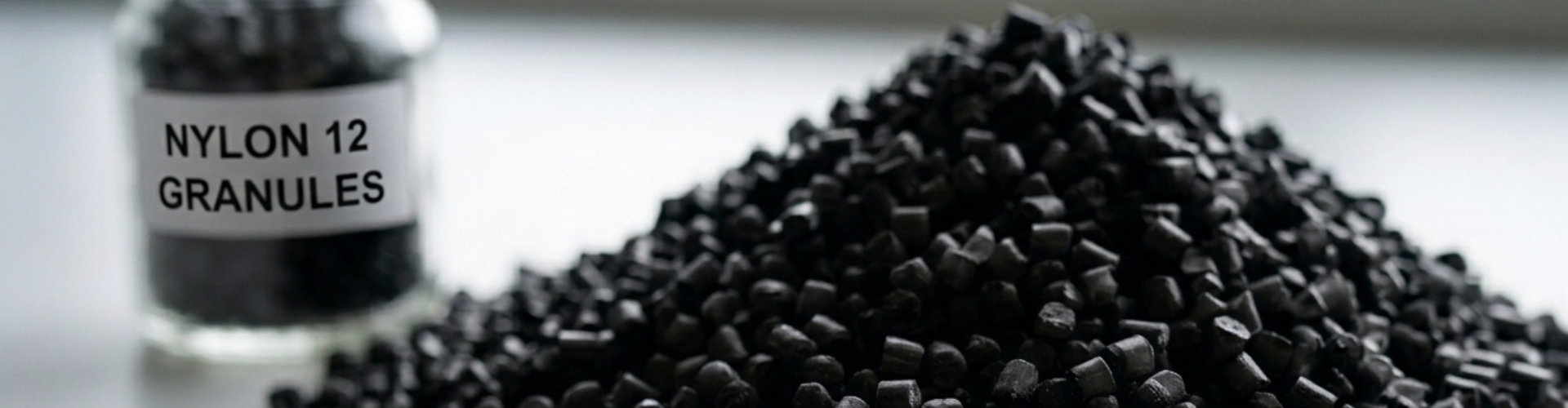
In modern manufacturing, selecting the right material is just as critical as the design of the product itself. Engineers constantly search for materials that combine strength, durability, dimensional stability, and resistance to environmental factors. Among the many engineering plastics available today, Nylon 12 has emerged as one of the most trusted and widely used materials across industries such as automotive, aerospace, medical devices, and industrial manufacturing.
But Nylon 12 was not simply created as another variation of nylon. It was specifically developed to overcome the limitations of earlier polyamides and provide a more stable, reliable, and versatile engineering plastic capable of performing in demanding real world environments.
Nylon 12 was developed to solve several limitations found in earlier polyamides such as Nylon 6 and Nylon 66. While these traditional nylons offered good strength and durability, they often struggled in real industrial environments. One of the major issues was high moisture absorption, which caused parts to swell, soften, or lose dimensional accuracy when exposed to humidity. For industries that rely on precision components, even small dimensional changes can affect performance and reliability. Engineers needed a material that could deliver the strength of nylon while remaining stable in challenging environments, and this need led to the development of Nylon 12.
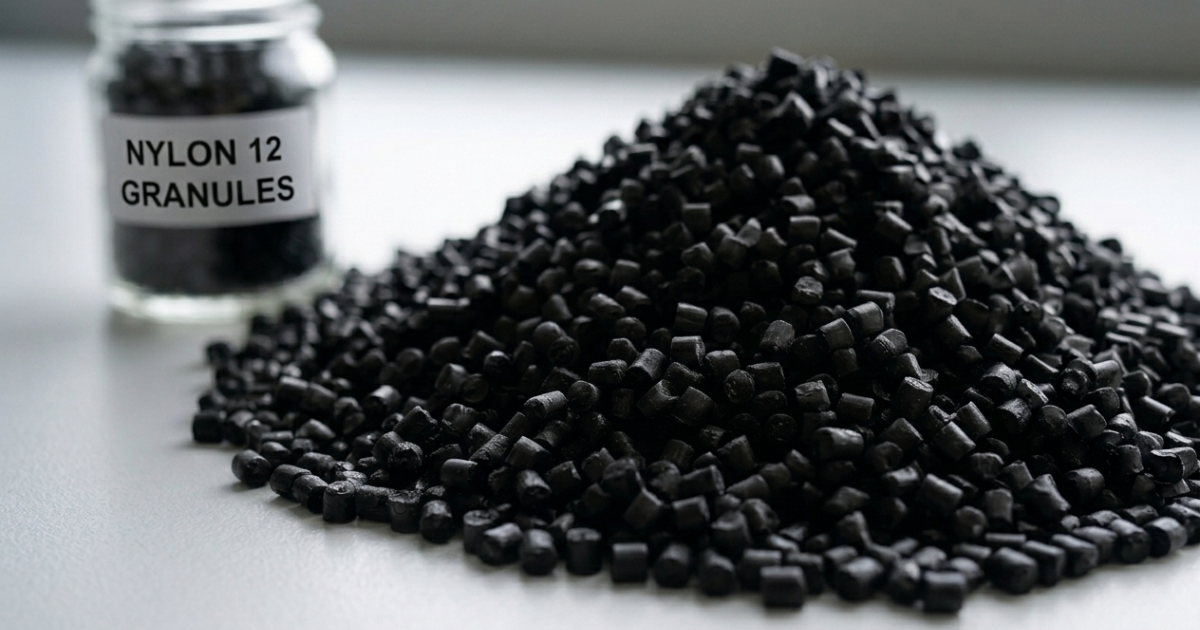
The superior performance of Nylon 12 comes largely from its molecular structure. Compared with other polyamides, Nylon 12 contains longer hydrocarbon chains and fewer amide groups. This structure significantly reduces its ability to absorb moisture from the environment. Because of this, parts made from Nylon 12 maintain consistent mechanical properties, dimensional accuracy, and long term stability even in humid conditions. This chemical advantage is one of the key reasons why Nylon 12 performs better than many other nylon materials in real world manufacturing environments.
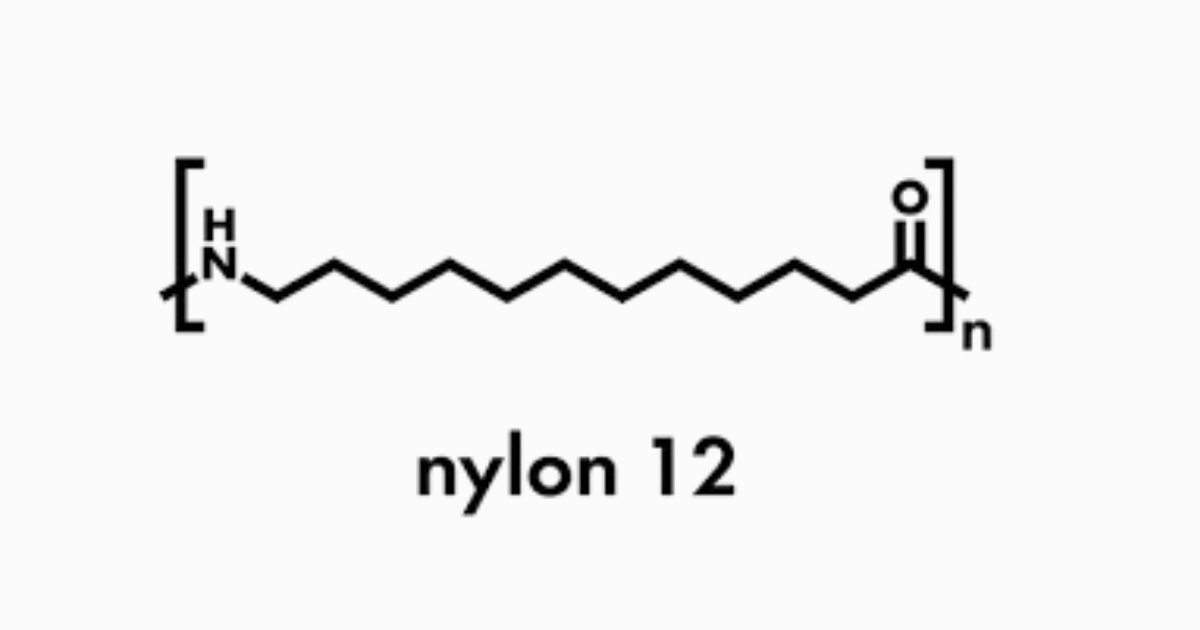
One of the most important characteristics that makes Nylon 12 so reliable is its very low moisture absorption compared with other nylons. Materials like Nylon 6 and Nylon 66 can absorb a noticeable amount of water, which can change their stiffness, strength, and size over time. Nylon 12 absorbs far less moisture, which helps maintain structural integrity and dimensional precision. This property is particularly important in applications where components must remain stable for long periods or operate in humid environments.
Nylon 12 offers a balanced combination of strength, toughness, and flexibility. Unlike some materials that become brittle under stress, Nylon 12 can absorb impacts and repeated loads without cracking. It also demonstrates strong fatigue resistance, meaning it can withstand repeated cycles of stress over long periods. This makes it ideal for parts that experience constant movement or mechanical loading, such as clips, connectors, housings, and snap fit assemblies used in industrial and mechanical systems.
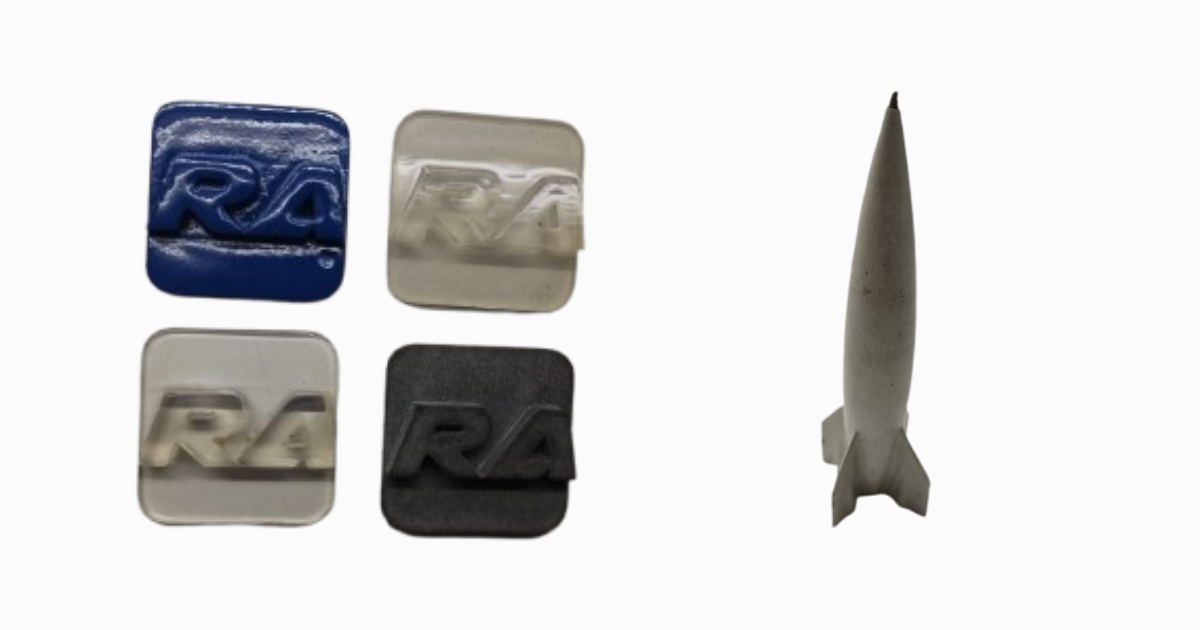
Another major advantage of Nylon 12 is its excellent resistance to oils, fuels, solvents, and industrial chemicals. In many manufacturing and automotive environments, materials are exposed to aggressive substances that can degrade ordinary plastics. Nylon 12 maintains its structure and performance even when exposed to these chemicals. Because of this property, it is widely used for fuel lines, tubing, cable insulation, and fluid transport systems, where long term reliability is essential.
Dimensional stability is critical in engineering applications where components must maintain tight tolerances. Thanks to its low moisture absorption and stable crystalline structure, Nylon 12 maintains accurate dimensions and shape stability over time. This allows manufacturers to produce precision components that fit perfectly with other parts in complex assemblies. The ability to maintain reliable dimensions is one of the main reasons engineers trust Nylon 12 for high performance applications.
Nylon 12 also performs extremely well during manufacturing processes. The material flows smoothly and forms consistent structures during molding, reducing problems such as warping, shrinkage, or structural defects. Its predictable processing behavior allows manufacturers to produce high quality parts with consistent mechanical properties, improving efficiency and reducing production errors. This reliability makes Nylon 12 suitable for both traditional manufacturing methods and modern digital manufacturing techniques.
In recent years, Nylon 12 has become the leading material in industrial additive manufacturing, especially in powder based technologies such as Selective Laser Sintering and Multi Jet Fusion. These processes require materials that can melt evenly, fuse layer by layer, and create strong, uniform parts. Nylon 12 performs exceptionally well in these conditions, producing components with excellent mechanical strength, consistent density, and reliable surface quality. As a result, it is widely used for functional prototypes, customized products, and production grade components.
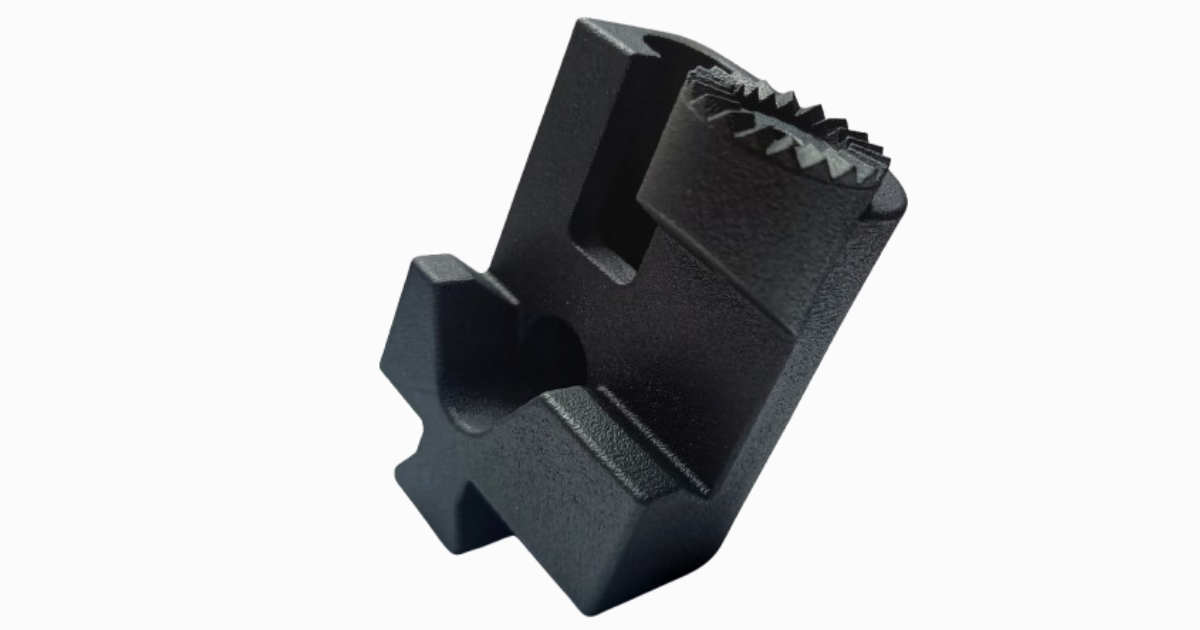
Another reason Nylon 12 is widely trusted is its high strength to weight ratio. Compared with metals, Nylon 12 components can provide similar functional performance while significantly reducing weight. Lightweight materials are particularly valuable in industries such as automotive and aerospace, where reducing weight can improve efficiency, performance, and energy consumption.
Nylon 12 (PA 12) has become the leading material in powder based additive manufacturing technologies such as Selective Laser Sintering (SLS) and HP Multi Jet Fusion (MJF). These technologies rely on powder bed fusion, where thin layers of polymer powder are selectively fused together to build parts layer by layer. Nylon 12 powder offers excellent processing characteristics that make it particularly well suited for these systems. It spreads evenly across the build platform, melts consistently during fusion, and produces reliable parts with minimal defects. Its low moisture absorption also plays a critical role, as it helps maintain stable mechanical properties and reduces printing inconsistencies caused by environmental humidity.
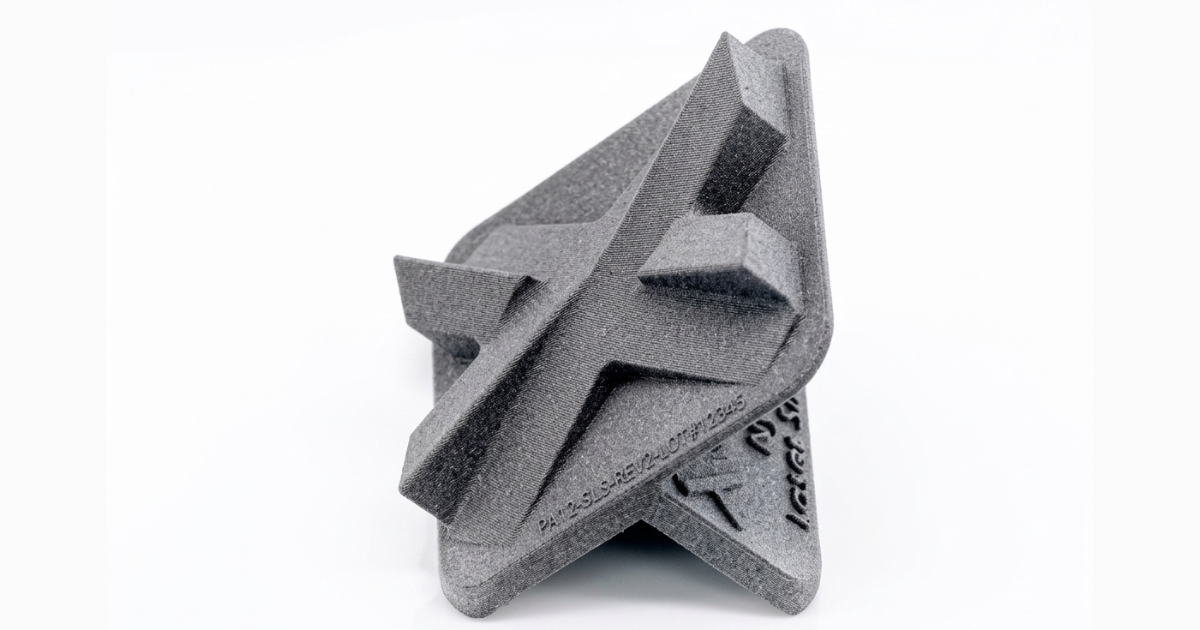
Nylon 12 is widely used across multiple industries because it offers a unique balance of mechanical strength, flexibility, chemical resistance, low moisture absorption, and dimensional stability. These properties allow components made from Nylon 12 to perform reliably even in harsh environments where other plastics may degrade, swell, or lose structural integrity. Below are some of the most important industrial applications where Nylon 12 is extensively used.
The automotive industry is one of the largest users of Nylon 12 because many vehicle systems operate in environments exposed to fuel, oil, temperature fluctuations, vibration, and mechanical stress. Nylon 12 performs exceptionally well in such conditions due to its strong chemical resistance and flexibility. These components must transport gasoline or diesel safely while resisting chemical degradation and pressure variations. Nylon 12 maintains its mechanical strength even after long exposure to fuel and lubricants. It is also widely used in air brake tubing, pneumatic lines, cable protection conduits, electrical connectors, and quickconnect fittings. Because Nylon 12 combines flexibility with toughness, it can withstand constant vibration and mechanical movement without cracking or failing. Additionally, its lightweight nature helps reduce overall vehicle weight, contributing to improved fuel efficiency and performance.
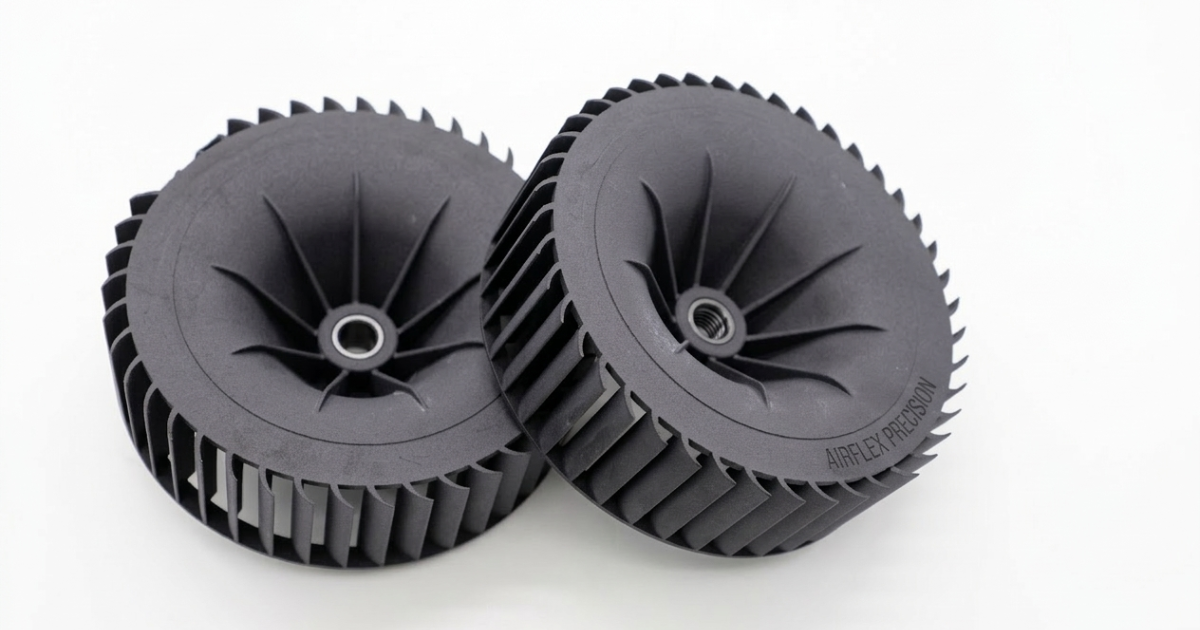
In aerospace engineering, materials must meet strict requirements for strength, weight reduction, durability, and reliability. Nylon 12 is particularly valuable in this sector because it provides a high strength to weight ratio while maintaining structural stability. Aircraft manufacturers use Nylon 12 for air ducting systems, ventilation channels, cable routing components, brackets, housings, and interior structural elements. These components must remain lightweight while maintaining consistent performance during temperature changes, vibrations, and pressure variations encountered during flight.
With the rise of additive manufacturing in aerospace, Nylon 12 has become a preferred material for producing lightweight optimized structures that cannot be manufactured easily using traditional methods. Engineers can design complex lattice structures or integrated assemblies that reduce weight while maintaining mechanical strength.
Industrial environments often expose materials to mechanical stress, repeated loading cycles, friction, and chemical exposure. Nylon 12 performs well under these conditions due to its excellent fatigue resistance and wear resistance. Manufacturers commonly use Nylon 12 to produce gears, bearings, bushings, clips, snap fit assemblies, protective housings, and structural machine components. These parts often experience continuous mechanical movement, and Nylon 12’s toughness helps prevent cracking or failure under repeated stress. Another advantage is its dimensional stability. Industrial machines rely on precise component alignment, and Nylon 12 maintains its shape and tolerance even in humid or chemically aggressive environments.
Nylon 12 has become the dominant polymer used in industrial additive manufacturing, especially in powder based technologies such as Selective Laser Sintering (SLS) and Multi Jet Fusion (MJF). These technologies rely on fine polymer powder that is fused layer by layer using thermal energy to create solid parts. Nylon 12 powder has excellent thermal behavior, consistent melting characteristics, and strong interlayer bonding, which enables the production of durable components with reliable mechanical properties.
In additive manufacturing, Nylon 12 is used to produce functional prototypes, customized products, lightweight structures, end use production parts, and complex geometries that cannot be easily produced using conventional manufacturing techniques. Industries such as automotive, aerospace, healthcare, and consumer products increasingly rely on Nylon 12 for low volume production, rapid product development, and customized manufacturing solutions.
The widespread trust in Nylon 12 comes from its ability to solve multiple engineering challenges simultaneously. It combines low moisture absorption, strong chemical resistance, excellent toughness, dimensional stability, and reliable manufacturability. Few materials offer such a balanced set of properties. Because of this, Nylon 12 has become a preferred material across industries for applications that require precision, durability, and long term reliability.
Nylon 12 was not created simply to expand the nylon family; it was developed to solve real engineering challenges faced by manufacturers using earlier polyamides. By improving moisture resistance, chemical stability, dimensional accuracy, and manufacturing reliability, Nylon 12 has proven itself as one of the most dependable engineering plastics available today.
From traditional manufacturing processes to advanced additive manufacturing technologies like Selective Laser Sintering and Multi Jet Fusion, Nylon 12 continues to support the production of high performance parts that require precision, durability, and long term reliability.
As industries move toward digital manufacturing and lightweight design, Nylon 12 will remain a cornerstone material for modern engineering and industrial innovation.
© 2026 RA Global Tech Solutions
Site design and developed by Rajkar Global