
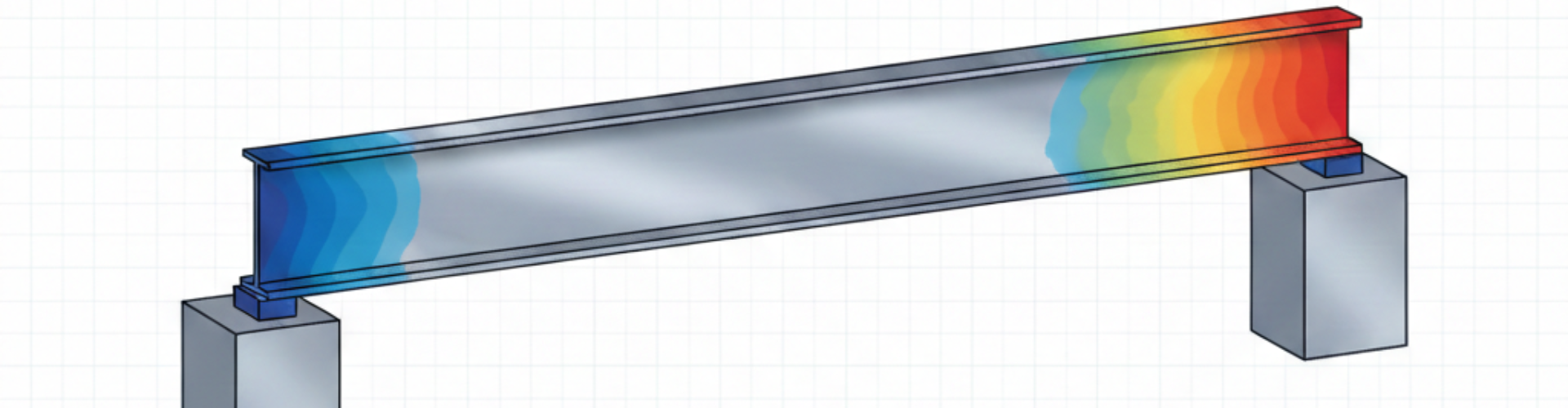
Finite Element Analysis is used to understand how a component or structure behaves under real operating conditions. Based on whether the load changes with time or remains constant, FEA is classified into static and dynamic analysis. Each category has specific types designed to solve different engineering problems. With strong expertise in finite element analysis, structural and dynamic simulations, and RA Global Tech Solutions, manufacturers validate designs, optimize performance, and reduce development risks before production.
The Finite Element Method is based on the fundamental concept of dividing a component or structure into a number of smaller, finite-sized elements to simulate and evaluate stresses, strains, and other physical responses. Finite Element Analysis is a computational technique used to obtain approximate solutions to boundary value problems commonly encountered in engineering applications. A boundary value problem involves one or more dependent variables that must satisfy governing differential equations throughout a defined domain while also meeting specified conditions along the boundaries of that domain.
Static analysis is used when loads are applied static or not at all with time. In this type of analysis, the structure is assumed to be in equilibrium, and inertial and damping effects are neglected. Static analysis evaluates responses such as displacement, stress, strain, and reaction forces under steady loading conditions. It may be linear, assuming elastic material behavior and small deformations, or nonlinear, accounting for plasticity, large deformations, contact, and buckling. Static analysis is commonly used for strength, stiffness, and stability evaluation of structural and mechanical components.
Dynamic analysis, is required when loads vary with time or are applied rapidly, causing acceleration of the structure. In dynamic analysis, mass, inertia, and damping effects are included in the governing equations. This type of analysis determines how structures respond to time-dependent loads such as vibration, impact, and shock. Results typically include time-dependent displacements, velocities, accelerations, stresses, and frequency responses. Dynamic analysis is essential for predicting real operating behavior in applications involving vibration, rotating machinery, impact events, and transient loading.
Finite Element Analysis is carried out in three major stages: preprocessing, simulation, and postprocessing. Each stage is equally important, and errors in any step can lead to inaccurate or misleading results.
Preprocessing: Preprocessing is the model definition stage of Finite Element Analysis, where the real physical problem is converted into a numerical model. In this step, the geometry of the component is defined, suitable element types are selected, and material and geometric properties are assigned. The model is then meshed into finite elements, after which boundary conditions and loads are applied to represent real operating conditions. Preprocessing is a critical step, as accurate geometry, material data, constraints, contacts and loading are essential for obtaining reliable and meaningful analysis results.
Simulation: During the simulation phase, the finite element software assembles the governing algebraic equations for all elements into a global matrix system. These equations represent the physical behavior of the model based on the defined inputs from preprocessing. The solver then computes the unknown primary field variables, such as nodal displacements, temperatures, or pressures.Once the primary variables are obtained, the software uses back substitution to calculate additional derived quantities, including reaction forces, stresses, strains, heat flow, and fluxes. Because finite element models often consist of tens or hundreds of thousands of equations, advanced numerical solution techniques are employed to reduce computational time and memory requirements while maintaining accuracy.
Postprocessing: Postprocessing is the stage where FEA results are analyzed, interpreted, and visualized. It involves reviewing outputs such as stresses, deformations, factors of safety, and equilibrium checks using plots, contours, and animations. While graphical tools help identify critical regions and potential failures, applying expertise team judgment is essential to ensure the results are physically realistic and reliable.
Linear static analysis is the most fundamental and widely used form of FEA. It is applied when structures are subjected to steady or slowly applied loads. In this approach, materials are assumed to behave in a linear elastic manner, meaning they return to their original shape once the load is removed, without any permanent deformation. The stress strain relationship strictly follows Hooke’s Law, where stress is directly proportional to strain.
This analysis also assumes that deformations are small enough not to significantly alter the structure’s geometry. As a result, the stiffness of the model remains constant throughout the analysis, boundary conditions do not change, and no contact effects such as sliding or separation occur between parts.
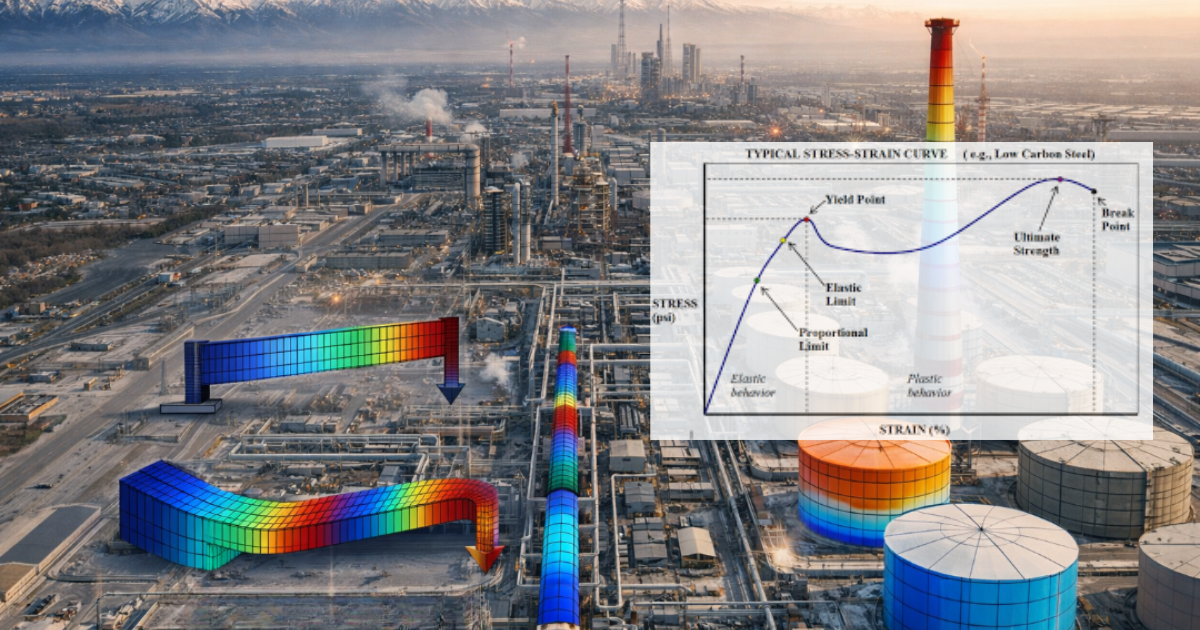
Nonlinear static analysis is used when a structure’s behavior cannot be accurately predicted using linear assumptions. In real world applications, many components experience conditions where the relationship between load and response is no longer proportional, making nonlinear analysis essential for reliable simulation. Unlike linear static analysis, this approach allows stiffness, geometry, and boundary conditions to change as the load is applied.
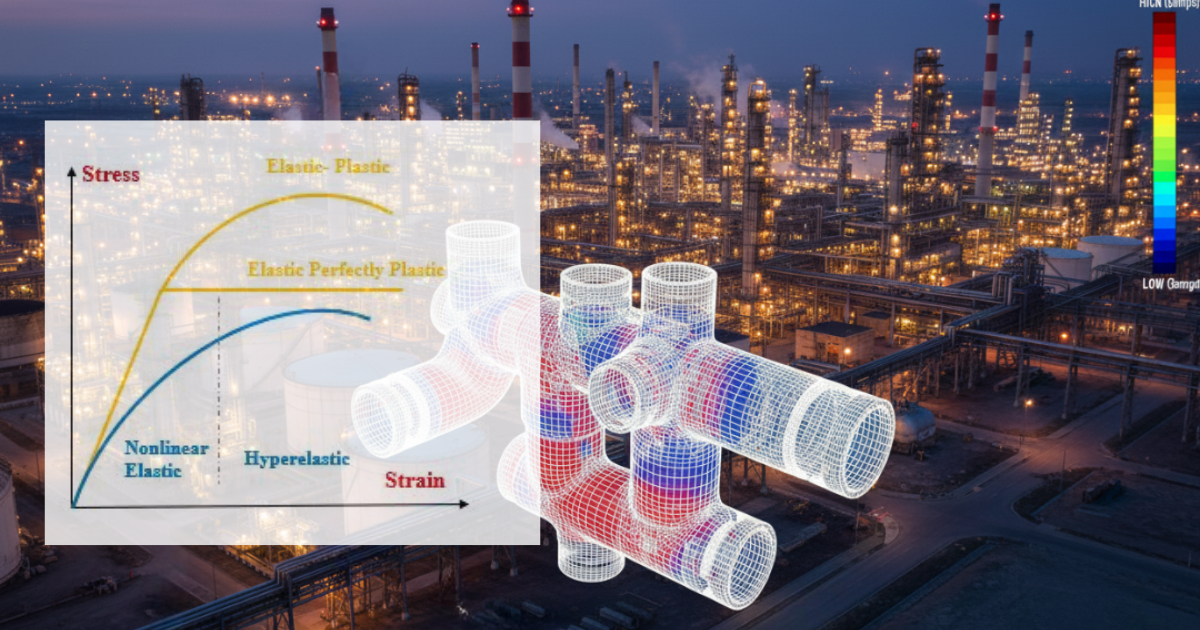
One major source of nonlinearity is material nonlinearity, where the stress strain relationship is no longer linear. This occurs in cases such as plastic deformation, where the material yields and undergoes permanent deformation, or in rubber and elastomeric materials, which exhibit hyperelastic behavior. Nonlinear static analysis enables engineers to predict yielding, residual stresses, and permanent shape changes accurately.
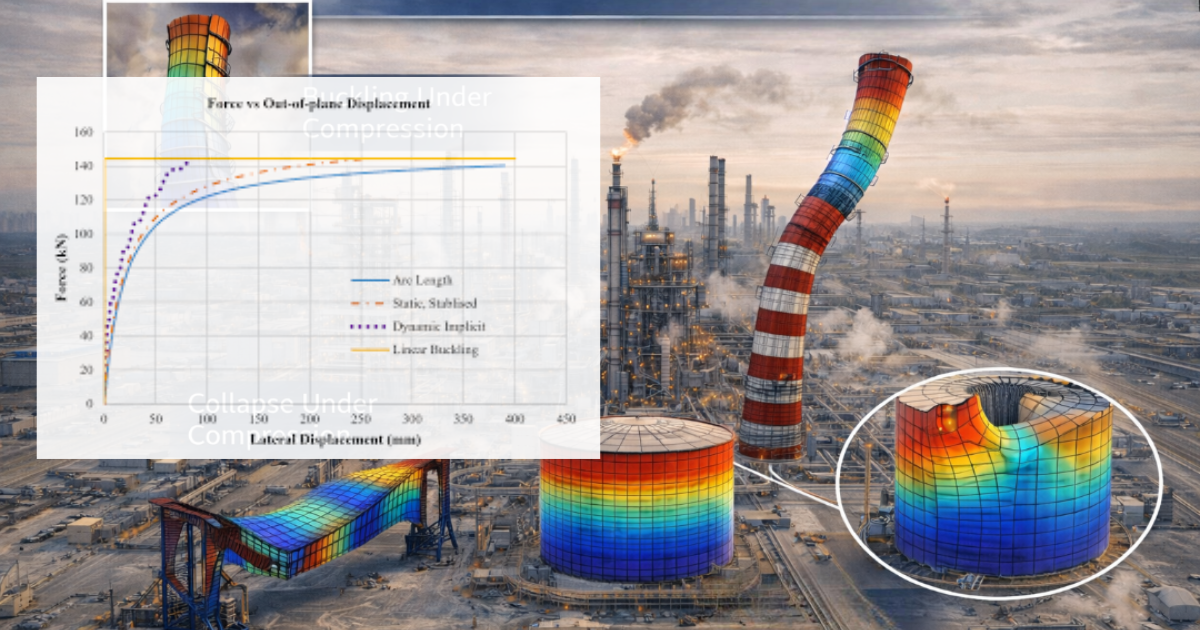
Buckling analysis is a specialized form of static analysis used to evaluate the stability of structures subjected to compressive loads. Unlike strength-based analyses that focus on material failure, buckling analysis predicts the point at which a structure may suddenly lose stiffness and experience large lateral deformations, even though the material stress may still be within allowable limits. This phenomenon is especially critical in slender or thin-walled components.
In FEA, buckling analysis is commonly performed as an eigenvalue buckling analysis, which calculates the critical buckling load factor and corresponding buckling mode shapes. The load factor indicates how much the applied load must be multiplied to reach the onset of buckling, while the mode shapes show the deformation patterns the structure is likely to experience at instability. This helps engineers identify weak regions and potential failure modes early in the design process.
For example, when a beam is subjected to both transverse and axial loads, the influence of the axial load on bending depends on the magnitude of the deflection, as the lateral deflection at any point acts as a moment arm for the axial force. Under conditions of small elastic deflection, the additional bending moment induced by the axial load is negligible. Accordingly, for this analysis, it is assumed that the axial loads are sufficiently small such that these secondary effects can be ignored, and the axial loading is treated as independent of the bending behavior.
Modal analysis is a type of dynamic analysis used to determine the natural frequencies and corresponding mode shapes of a structure. Every physical structure has a set of natural frequencies at which it tends to vibrate when excited. If external excitation frequencies match these natural frequencies, the structure can experience resonance, leading to excessive vibrations, noise, and potential failure. Modal analysis helps engineers identify these critical frequencies early in the design process.
In modal analysis, the structure is evaluated based on its mass and stiffness properties, and typically, no external loads are applied. The results provide mode shapes that illustrate how different parts of the structure deform at each natural frequency. These mode shapes help engineers understand vibration patterns, identify flexible regions, and assess whether design changes are needed to shift frequencies away from operating ranges.
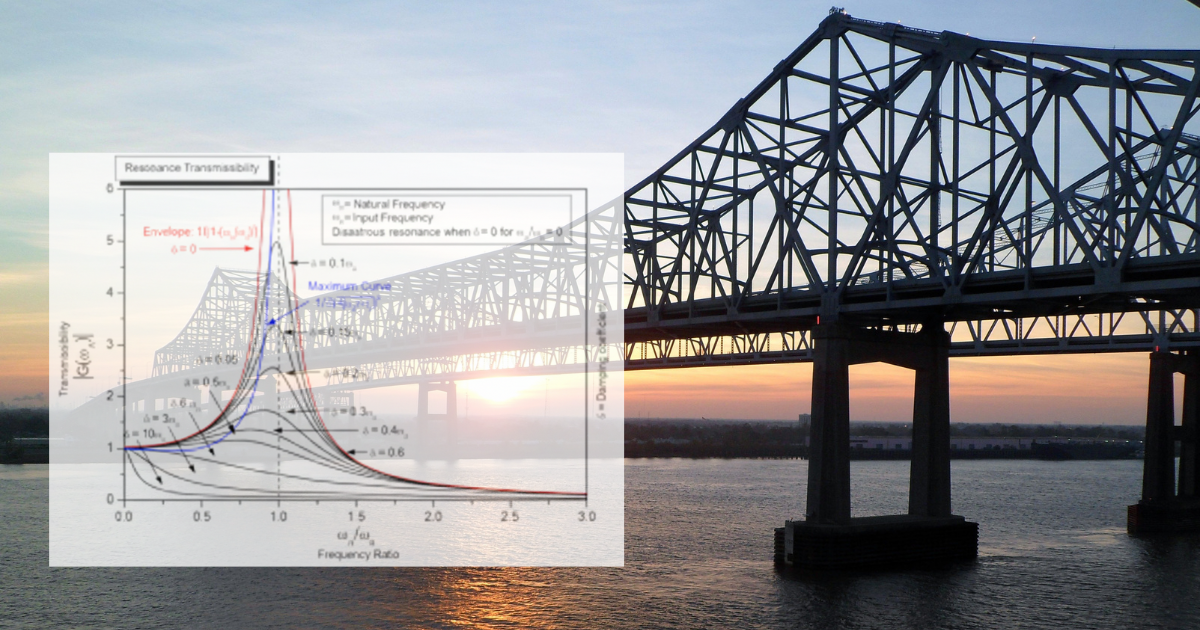
Harmonic analysis is a type of dynamic analysis used to evaluate the steady state response of a structure subjected to sinusoidal or cyclic loads that vary with time at a constant frequency. This analysis is particularly important when a structure is continuously excited by periodic forces, such as those generated by rotating or oscillating components. Harmonic analysis helps engineers understand how a structure responds across a range of excitation frequencies and identify conditions that may lead to resonance.
In harmonic analysis, loads are applied as sinusoidal functions, and the resulting displacement, stress, and acceleration amplitudes are calculated as a function of frequency. The analysis takes into account mass, stiffness, and damping, allowing engineers to predict vibration levels accurately under operating conditions. By sweeping through a frequency range, harmonic analysis reveals peak responses near natural frequencies, helping assess vibration severity and structural durability. In this formulation, the harmonic excitation is represented by
𝐹(𝑡)=𝐹0sin(𝜔𝑓𝑡)F(t)=F0sin(ωft), where 𝐹0 denotes the constant force amplitude and 𝜔𝑓 is the constant circular excitation frequency. Before employing the mode superposition method, a full modal analysis is required to determine the system’s natural circular frequencies and the corresponding normalized modal amplitude vectors.
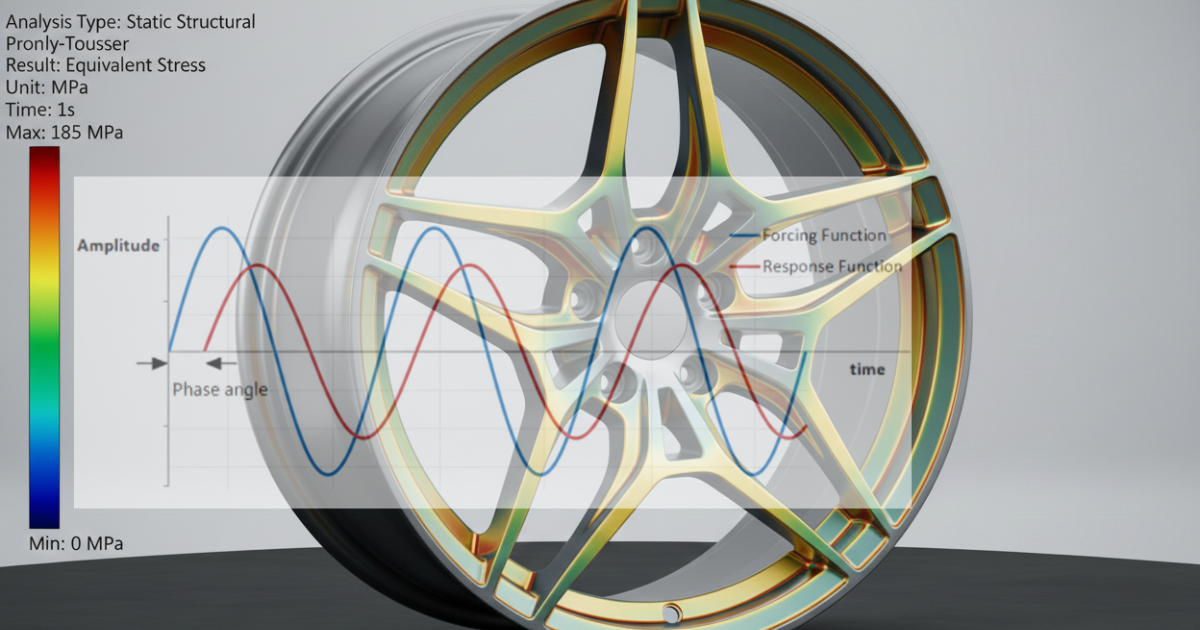
Transient dynamic analysis is a time dependent simulation method used to study how a structure responds to loads that vary with time. Unlike static or harmonic analysis, transient analysis captures the complete load history, making it ideal for evaluating events where forces are applied suddenly or change rapidly. This includes impacts, shocks, and short duration loads where inertia and damping effects play a significant role.
In transient dynamic analysis, the response of the structure, such as displacement, velocity, acceleration, and stress, is calculated at each time step. The analysis can be linear when materials remain elastic and deformations are small or nonlinear when material plasticity, large deformations, or contact interactions are involved. This flexibility allows engineers to model real-world behavior with high accuracy, especially in complex assemblies.
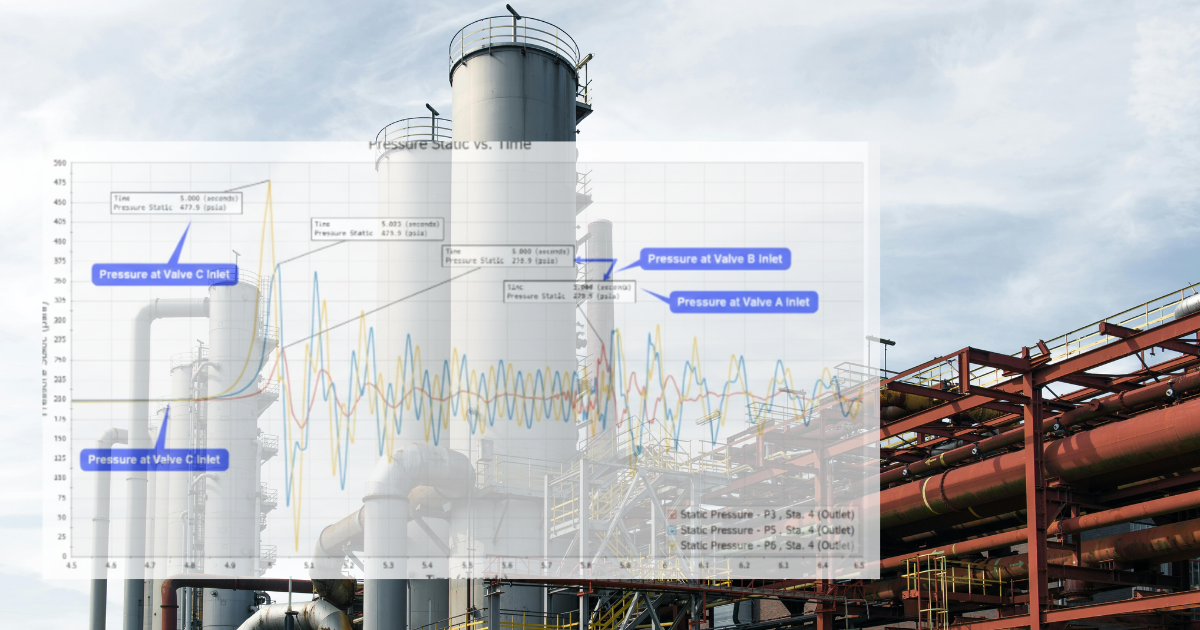
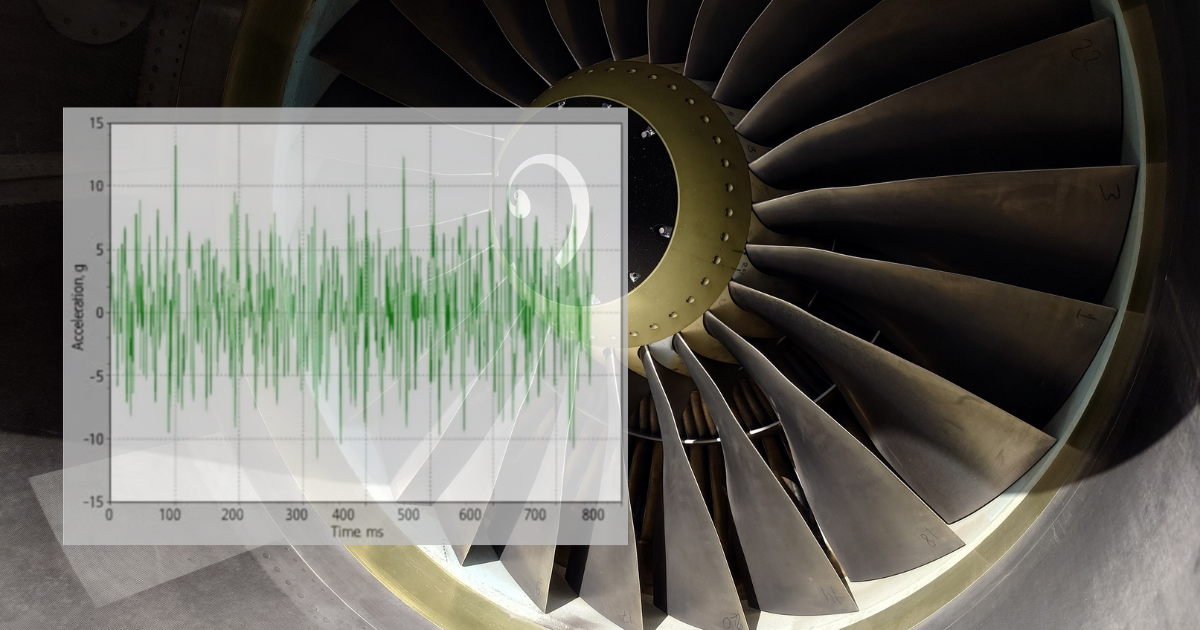
Random vibration analysis is a type of dynamic analysis used to evaluate how a structure responds to irregular, unpredictable vibration loads that vary randomly with time. Unlike harmonic analysis where excitation occurs at a single or known frequency random vibration analysis models real-world operating environments using statistical representations, most commonly Power Spectral Density inputs.
PSD describes how vibration energy is distributed across a frequency spectrum. When expressed in terms of acceleration, it is referred to as Acceleration Spectral Density, typically defined in units of (g²/Hz). ASD characterizes the intensity of acceleration-based vibrations over a range of frequencies and is widely used to represent environments such as vehicle operation, aerospace launch conditions, machinery-induced vibrations, and seismic excitations.
RA Global Tech Solutions is a global based engineering services company delivering advanced simulation, analysis, and digital engineering solutions to industries worldwide. RA Global Tech Solutions is the leading service provide in FEA domain, having successfully completed numerous analyses across various industries, including heavy industry, oil and gas, machinery, SPM, and product analysis, with a global reach that includes European clients and the Gulf region. The team focuses on accurate, application driven analysis ranging from static strength and buckling studies to vibration, impact, and crash simulations, ensuring designs are safe, lightweight, and reliable.
Each type of static and dynamic analysis in finite element analysis serves a distinct and important purpose, and selecting the correct analysis method is critical for achieving accurate and reliable simulation results. Static analyses are primarily used to evaluate strength, stiffness, and stability under steady or slowly applied loads, making them ideal for basic structural validation and early stage design assessments. In contrast, dynamic analyses account for time dependent effects such as inertia, damping, vibration, and impact, enabling engineers to accurately predict real world behavior under varying and sudden loads.
By applying the appropriate FEA methodology, engineers can gain deeper insight into component performance, identify potential failure modes early, and optimize designs for weight, durability, and safety. Ultimately, the effective use of static and dynamic FEA analyses supported by RA Global Tech Solutions designers expertise help reduce physical prototyping, shorten development cycles, lower costs, and deliver safer, more reliable products across industries.
© 2026 RA Global Tech Solutions
Site design and developed by Rajkar Global