Pressure vessels or compressed gas vessels are integral to various industrial processes in the chemical, petrochemical, power generation, and fire suppression sectors. These vessels are designed to safely contain liquids or gases under pressure, often in extreme temperatures or corrosive environments. However, despite the existence of robust codes and standards, pressure vessels remain vulnerable to catastrophic failure if there are deficiencies in their design, fabrication, inspection, or maintenance.
The consequences of pressure vessel failures can be severe, ranging from unplanned plant shutdowns and major equipment damage to large scale loss of life and environmental contamination. Over the past century, high profile industrial accidents have significantly shaped the engineering community’s understanding of pressure vessel behavior. Early failures exposed critical gaps in material science, welding practices, and quality assurance, ultimately leading to the development of formalized design codes and safety standards that govern modern pressure vessels.
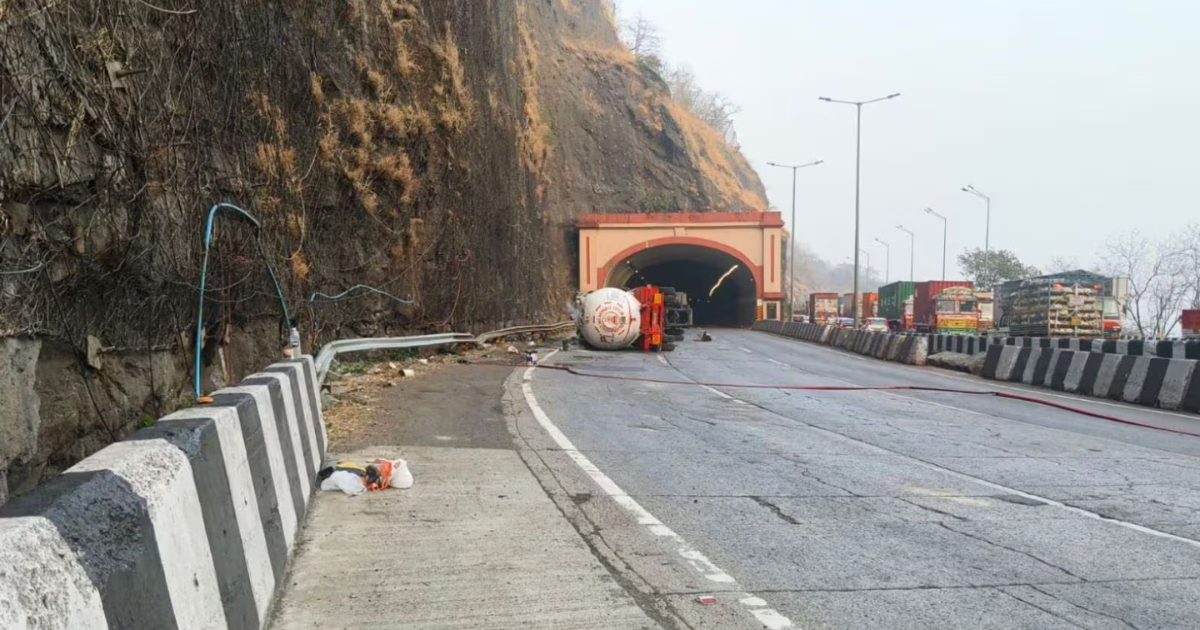
A recent incident on the Mumbai Pune Expressway, involving a propylene gas pressure vessel, serves as a striking example of the unpredictable behaviour of pressure vessels under extreme and unforeseen circumstances. Despite being a mobile vessel, its structural components are subject to the same fundamental principles as stationary pressure vessels or reactors, which undergo impact or seismic loading conditions, including pressure containment, material strength, fatigue resistance, and failure prevention.
When the pressure vessel toppled due to the loss of vehicle stability or a crash like situation, the vessel was suddenly subjected to impact loading, localized shell deformation, and potential valve or nozzle damage. The resulting propylene gas leak highlighted how local structural failure or accessory damage, rather than global shell rupture, can lead to hazardous release or explosion. From a pressure vessel engineering perspective, this is directly related to peak stress regions, such as nozzles, man-holes, weld joints, and valve connections, where stress concentrations dominate failure initiation.
From an FEA standpoint, such scenarios cannot be adequately assessed using simplified analytical formulas. Explicit dynamic analysis is required to capture the transient impact response, inertia effects, large deformations, contact interactions with the ground, and strain rate dependent material behavior. Advanced FEA simulations allow designers to predict whether the vessel shell will undergo elastic deformation, plastic collapse, buckling, or tearing during an overturning or collision event outcomes that directly determine containment integrity.
The prolonged leakage suggests that the pressure vessel's design may not have adequately accounted for the effects of fatigue and durability under cyclic loading during transport and service. Repeated pressure cycles, road induced vibrations, and thermal variations can weaken critical regions over time, reducing damage tolerance during accidental events. FEA based fatigue and durability assessments help identify these vulnerable locations early, enabling design improvements such as local reinforcement, optimized weld geometry, improved material selection, improve sealant material and enhanced corrosion allowances.
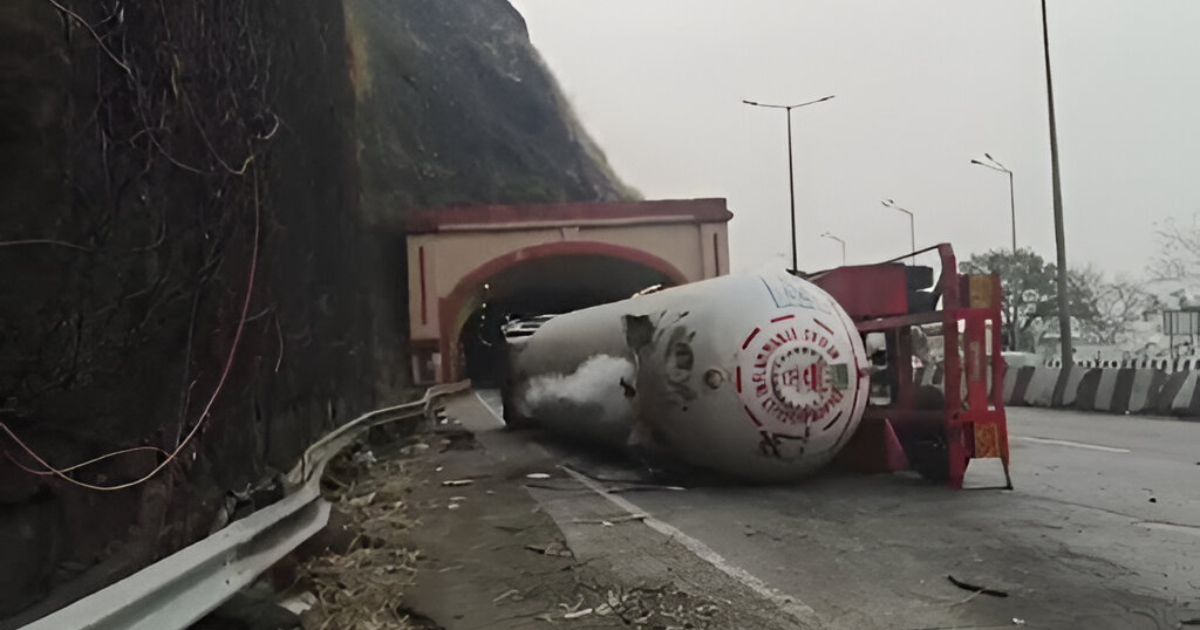
This incident clearly demonstrates that pressure vessel safety extends beyond normal operating pressure checks. Comprehensive design validation must consider impact analysis, internal and external pressure effects, dynamic loading, and failure containment, all of which are best addressed through advanced finite element methods. By integrating real world accident scenarios into the design and validation process, engineers can significantly enhance the resilience of pressure vessels whether stationary or transportable against high consequence events.
The incident posed an immediate threat to human safety due to exposure to a highly flammable propylene gas cloud, placing motorists, nearby personnel, and emergency responders at risk of fire, explosion, and asphyxiation in a densely trafficked corridor. Emergency evacuation efforts and prolonged traffic congestion increased the likelihood of secondary accidents and complicated response operations. Simultaneously, the 32 hours shutdown of the Mumbai Pune Expressway disrupted regional transportation and logistics.
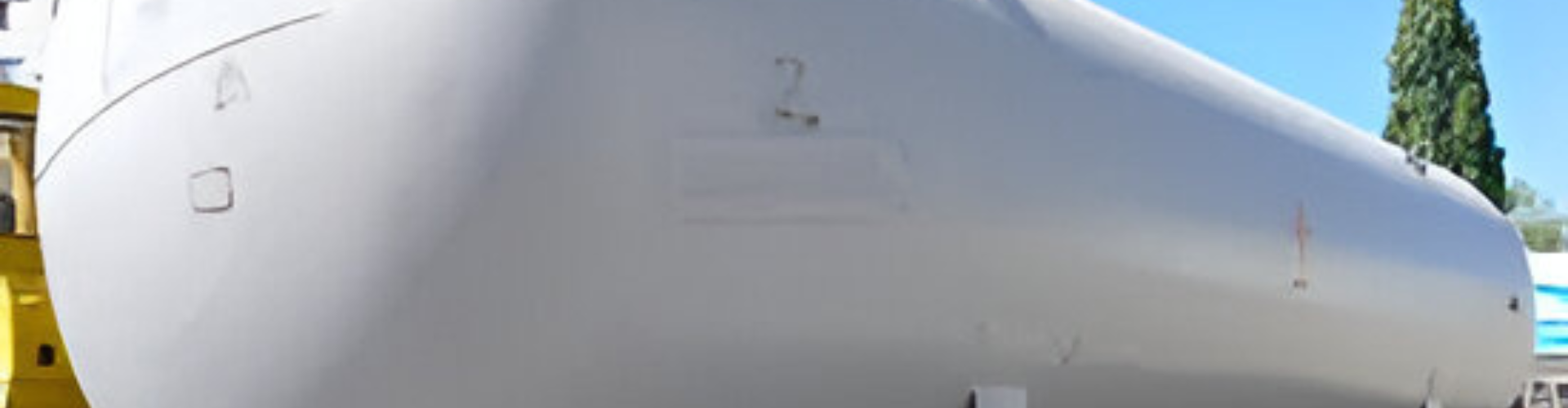
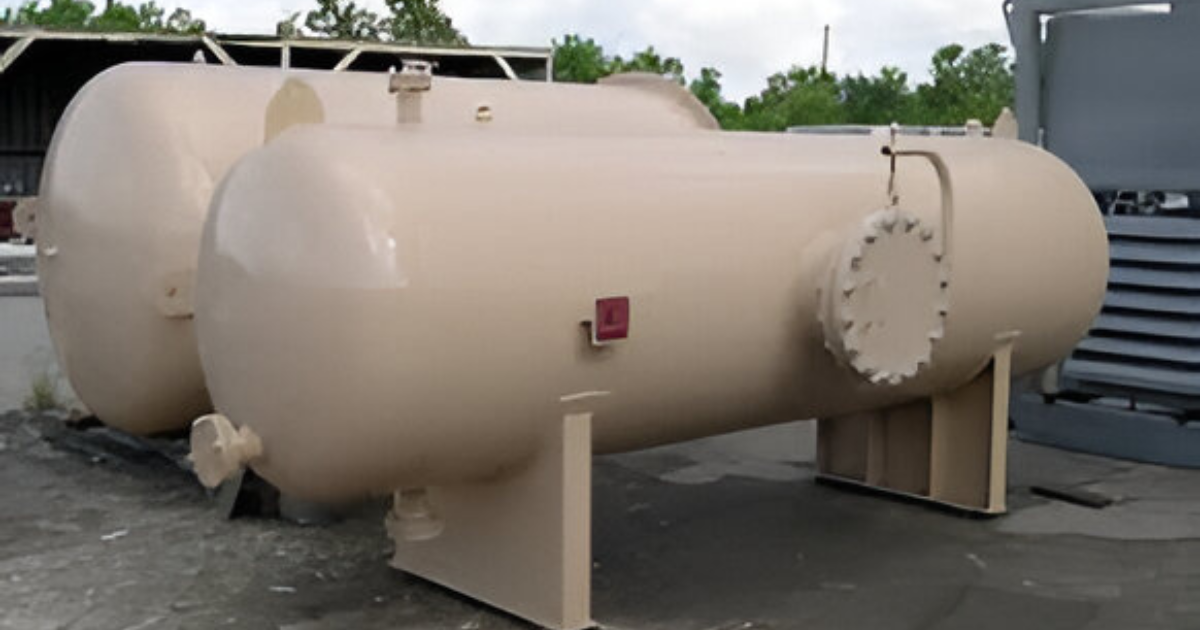
Pressure vessels are constructed to confine gas under conditions where internal pressures significantly exceed ambient atmospheric pressure. Their integrity is essential not only for process efficiency but also for safeguarding personnel, infrastructure, and the surrounding environment. Mounded vessels or pressurised mobile gas storage vessels, or horizontal cylindrical steel pressure vessels used for the bulk storage of hazardous and highly inflammable liquids and gases such as LPG, Propane, Propylene, and Ammonia, installed on a sand bed foundation and fully covered with soil to enhance safety and environmental protection
Designing a pressure vessel is a multidisciplinary engineering task requiring the integration of mechanical design, materials science, thermodynamics, fluid mechanics, and failure mechanics. The objective is to ensure safe operation under all anticipated service conditions while maintaining adequate safety margins to address uncertainties in material properties, fabrication tolerances, loading conditions, and long term degradation.
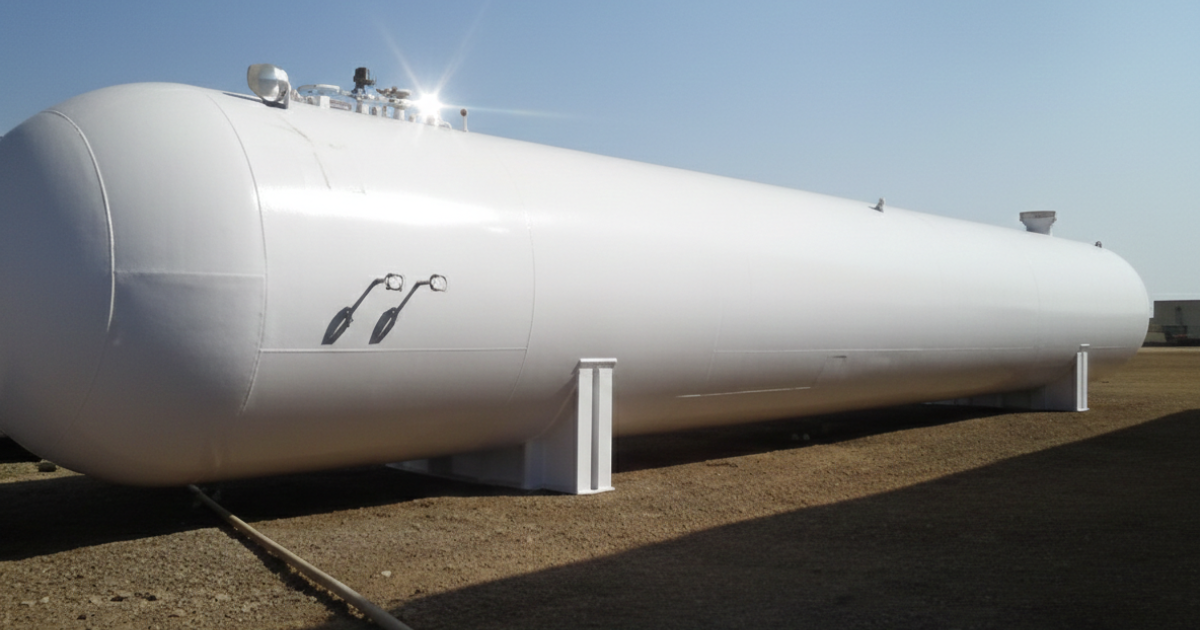
The design process begins with defining the design pressure and design temperature. Design pressure is typically the maximum expected operating pressure plus an appropriate safety margin, while design temperature accounts for both minimum and maximum service conditions. These parameters directly influence material selection, allowable stress limits, hoops stresses, corrosion allowance, and required wall thickness.
Fluid characteristics such as corrosivity, toxicity, phase behavior, and pressure fluctuation further affect design decisions. For example, hydrogen service requires materials with high fracture toughness to mitigate embrittlement, whereas vessels storing liquefied gases must retain adequate ductility at low operating temperatures.
Every vessel used for the transportation of compressed gas shall be constructed and tested in accordance with the requirements of Rule 13 and shall meet the requirements of sub-rules as follows:
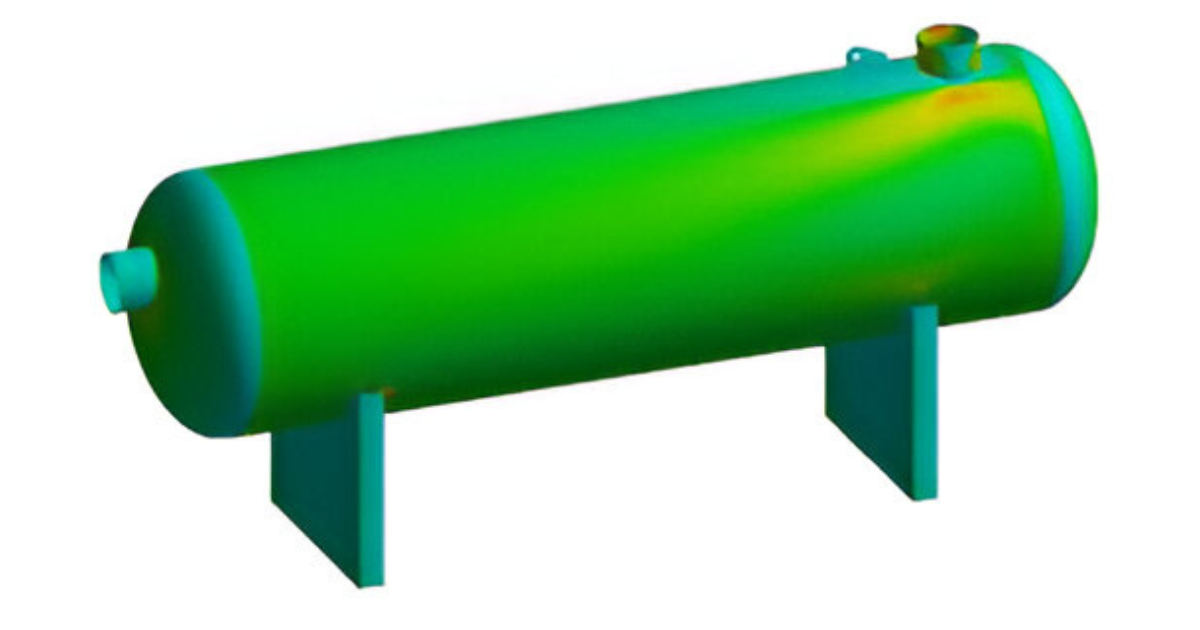
Pressure vessels are exposed to multiple loading conditions throughout their lifecycle, often acting simultaneously. Impact analysis evaluates how these loads influence structural behavior and integrity, forming a critical bridge between design assumptions and validation.
The hydrostatic effect represents the internal fluid head acting on the vessel due to the weight of the contained fluid. This load increases linearly with fluid height and becomes particularly significant in tall vertical vessels, columns, and storage pressure vessels. Hydrostatic pressure contributes to membrane stresses in the vessel shell and shall be considered in combination with the internal operating pressure to accurately determine wall thickness and stress distribution. Verification of structural integrity is carried out through hydrostatic testing, typically conducted at 1.25 to 1.5 times the design pressure, in accordance with applicable design codes.
Internal pressure is the primary load governing pressure vessel design. It induces circumferential and longitudinal stresses in the shell and heads, directly influencing minimum wall thickness and material selection. Pressure fluctuations due to operating cycles and process transients introduce fatigue concerns, making accurate pressure definition essential.
External pressure acts on vessels operating under vacuum conditions or those buried, submerged, or exposed to surrounding pressure sources. Unlike internal pressure, external pressure can cause elastic or plastic instability, leading to buckling. Evaluation of external pressure resistance often requires detailed stability analysis and finite element buckling simulations.
Seismic loading introduces dynamic inertial forces due to ground motion, affecting both the vessel shell and its support system. These forces generate bending moments, shear forces, and overturning effects, particularly in tall or slender vessels. Proper seismic assessment ensures anchorage integrity, structural stability, and containment safety during earthquake events.
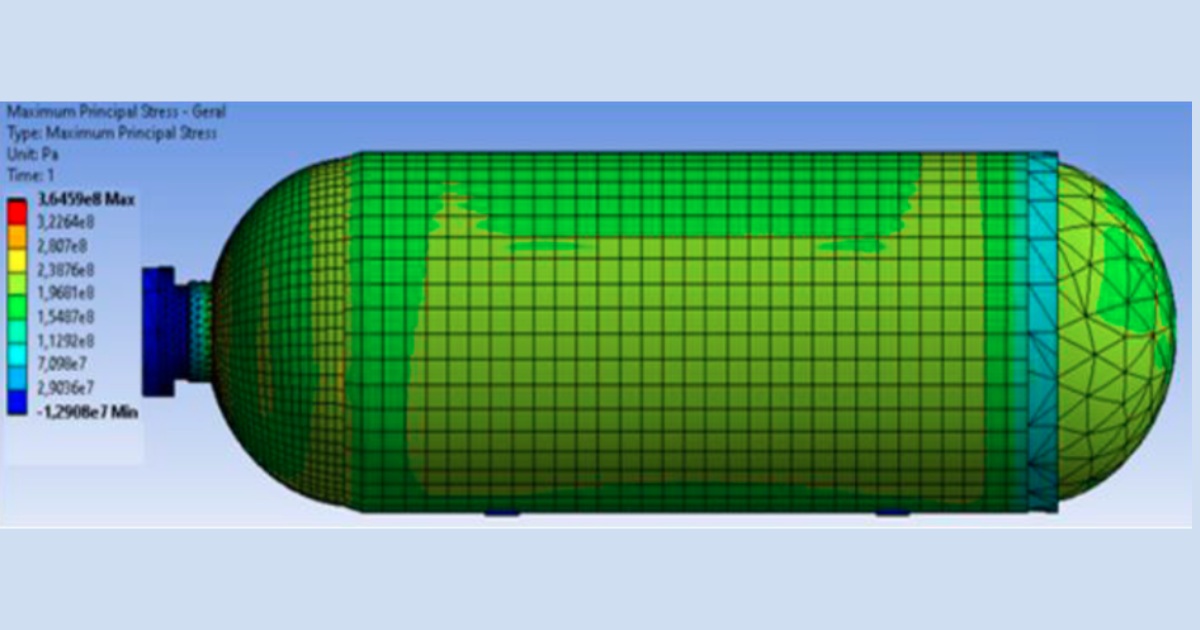
Design validation ensures that pressure vessels can safely withstand all anticipated operating and accidental conditions throughout their intended service life. Modern validation goes beyond traditional hand calculations and relies heavily on simulation driven approaches.
Finite Element Analysis is a powerful numerical tool used to simulate the structural behavior of pressure vessels under realistic loading conditions. In pressure vessel applications, FEA enables detailed evaluation of stresses, strains, and deformations caused by internal pressure, thermal gradients, external loads, and geometric discontinuities. Unlike simplified analytical methods, FEA captures localized stress concentrations at critical regions such as nozzles, weld joints, supports, and shell to head transitions.
By simulating variations in operating pressure, temperature, and mechanical loads, FEA allows engineers to predict vessel performance under both normal and upset conditions. This enables design optimization to ensure that stresses remain within allowable limits defined by applicable codes while maintaining adequate safety margins.
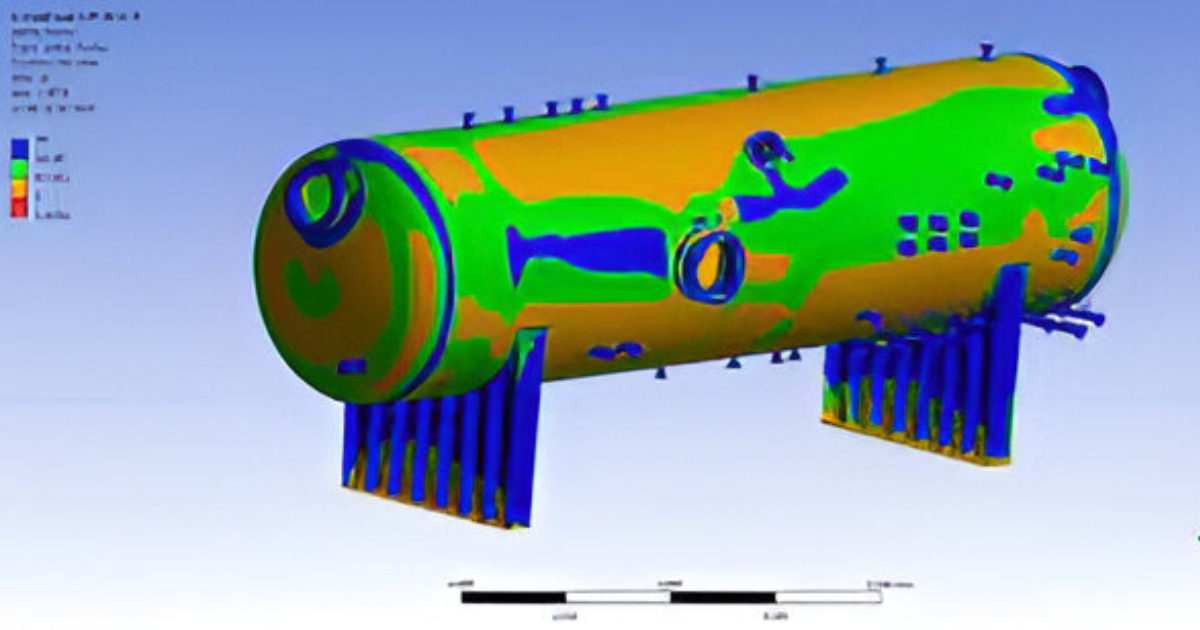
Pressure vessels are routinely subjected to fluctuating mechanical and thermal loads arising from pressure cycling, start up and shutdown operations, temperature transients, and process variations. These cyclic loads are particularly dangerous, as fatigue failures can occur suddenly and without visible warning, even when stress levels are below the material yield strength. Consequently, fatigue analysis is an essential component of pressure vessel design validation.
Using stress results extracted from FEA, fatigue assessments are performed at critical locations to evaluate resistance to crack initiation and propagation under cyclic loading. Stress histories are applied in accordance with relevant fatigue design guidelines to calculate cumulative fatigue damage. In validated designs, the fatigue damage factor is maintained well below the allowable unit value, confirming that the vessel is expected to operate safely without premature fatigue failure.
Durability analysis focuses on the long term performance and reliability of pressure vessels under sustained and cyclic service conditions. While strength and fatigue checks ensure immediate safety, durability analysis addresses progressive damage mechanisms such as fatigue accumulation, thermal cycling effects, material degradation, and environmental exposure.
FEA based durability assessment enables realistic simulation of service load histories over the vessel’s design life. High stress and high strain regions prone to long term degradation are identified early, supporting informed decisions on material selection, corrosion allowance, weld detailing, and geometric refinement. This approach ensures that the vessel maintains structural integrity and reliability throughout its intended operational life.
In addition to normal operating conditions, pressure vessels may be exposed to rare but high consequence events such as impact, collision, dropped objects, blast loads, or sudden pressure release. These events involve high rate, short duration loading where inertia effects, large deformations, material nonlinearity, and complex contact interactions dominate the structural response. Such scenarios cannot be accurately evaluated using static or implicit dynamic methods.
Crash and explicit dynamic analysis is used to simulate these extreme events by solving the equations of motion directly in the time domain. This approach captures stress wave propagation, plastic deformation, buckling, tearing, and potential rupture mechanisms that may occur during impact or blast scenarios. Explicit dynamic FEA also enables realistic modeling of contact interactions between the vessel and impacting objects, supports, or surrounding structures, along with strain rate dependent material behavior and damage evolution.
Pressure vessel safety and reliability depend on a comprehensive engineering approach that integrates sound design fundamentals with advanced simulation based validation. While design codes provide essential guidelines, they must be complemented by detailed impact analysis, finite element simulations, fatigue assessment, durability evaluation, and explicit dynamic analysis to fully capture real world operating conditions.
RA Global Tech Solutions is a leading service provider in the finite element analysis domain, with a proven track record of successfully delivering complex simulation and validation projects across multiple industries. The organization has supported clients in heavy industry, oil and gas, machinery, SPM, and product engineering, with a strong global presence that includes long standing collaborations With a pan-India presence, including operations and project support in Odisha and Visakhapatnam, along with long-standing collaborations in Muscat, the United Kingdom, and the United Arab Emirates, RA Global delivers reliable, simulation driven engineering solutions to customers worldwide.
By systematically addressing why pressure vessels matter, how they are designed, and how they are validated, engineers can significantly reduce the risk of catastrophic failure, optimize material usage, and achieve first time right designs. This integrated framework ensures compliance with regulatory requirements while delivering pressure vessels that are safe, reliable, and resilient throughout their operational lifecycle.
© 2026 RA Global Tech Solutions
Site design and developed by Rajkar Global