
Computed Tomography measuring has become one of the most advanced inspection and measurement technologies used across modern industries. As products become more complex, tiny with composite bodies, and performance driven, traditional inspection methods often struggle to analyse internal structures without damaging the component. CT measuring addresses this challenge by providing high resolution, nondestructive 3D imaging that reveals both internal and external features of a part, along with composite section profile differentiations. By enabling accurate dimensional measurement, defect detection, and structural analysis, CT measuring helps manufacturers maintain strict quality standards, optimize product design, and ensure reliability. Today, this technology plays a critical role in multiple sectors, including electronics, medical devices, industrial manufacturing, and aerospace, where precision, safety, and performance are essential.
Ensuring quality and reliability is critical in the electronics industry, where components are becoming increasingly smaller, more complex, and densely integrated. Even minor defects inside electronic assemblies can affect performance, reduce product lifespan, or lead to complete device failure. Because many internal features are hidden within sealed housings or multilayer structures, traditional inspection techniques often struggle to provide complete visibility without damaging the component.
To address these challenges, manufacturers rely on advanced inspection technologies that can evaluate both internal and external structures without disassembling the product. CT measuring has become an important solution for this purpose. By generating high resolution 3D images of electronic components, CT technology allows engineers to analyze internal geometries, identify hidden defects, and verify structural integrity without physically altering the part.
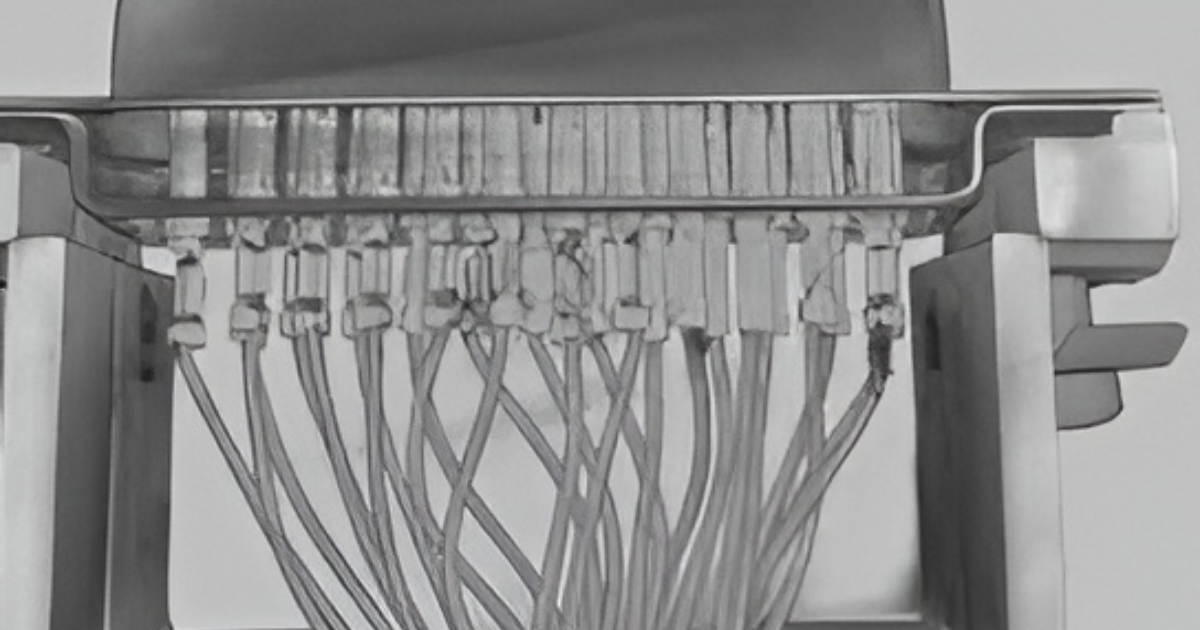
Modern electronic devices frequently include intricate internal designs such as multilayer circuit boards, miniature connectors, solder joints, and densely packed assemblies. Conventional inspection methods like optical measurement or surface scanning can only assess visible features, leaving many critical internal structures unverified. CT measuring overcomes this limitation by capturing complete volumetric data of the component, providing detailed insights into internal features that cannot be accessed otherwise.
Using CT data, engineers can detect defects such as voids in solder joints, misalignment of connectors, broken wires, internal cracks, and structural inconsistencies within electronic packages. The technology also enables accurate dimensional analysis, allowing manufacturers to verify that components meet strict design tolerances and performance requirements.
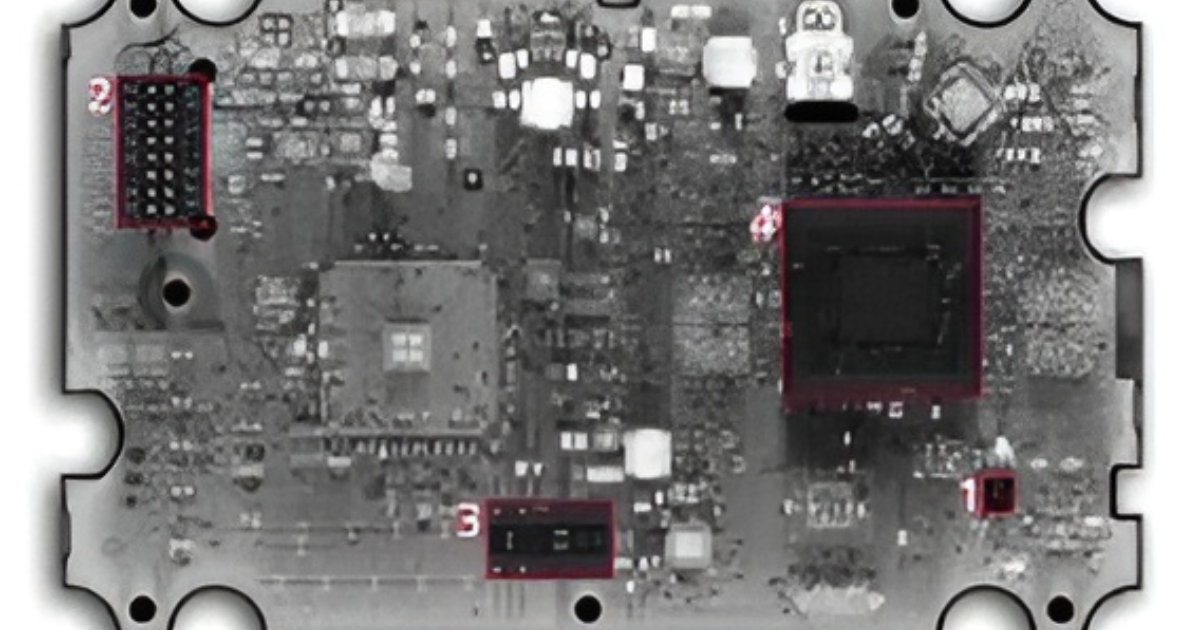
One of the most common applications of CT measuring in electronics is the inspection of printed circuit boards (PCBs). CT scanning can reveal hidden solder defects, evaluate through hole connections, and analyze the integrity of multilayer PCB structures. This level of inspection is especially valuable in high reliability electronics used in automotive systems, aerospace equipment, and medical devices.
CT measuring is also widely used for connector and interconnect inspection. It helps engineers verify pin alignment, check contact integrity, and ensure proper assembly within complex connector systems. In addition, semiconductor packaging and microelectronic components can be inspected using CT technology to identify internal cracks, bonding issues, and packaging defects that could affect long term performance.
Another important use is failure analysis. When electronic components malfunction, CT measuring allows engineers to investigate the internal structure without dismantling the device. This helps identify root causes such as solder fatigue, internal fractures, or manufacturing inconsistencies, providing valuable insights for improving product design and manufacturing processes.
By enabling comprehensive, nondestructive inspection of complex electronic assemblies, CT measuring plays a vital role in improving quality control, increasing product reliability, and supporting the development of next generation electronic technologies.
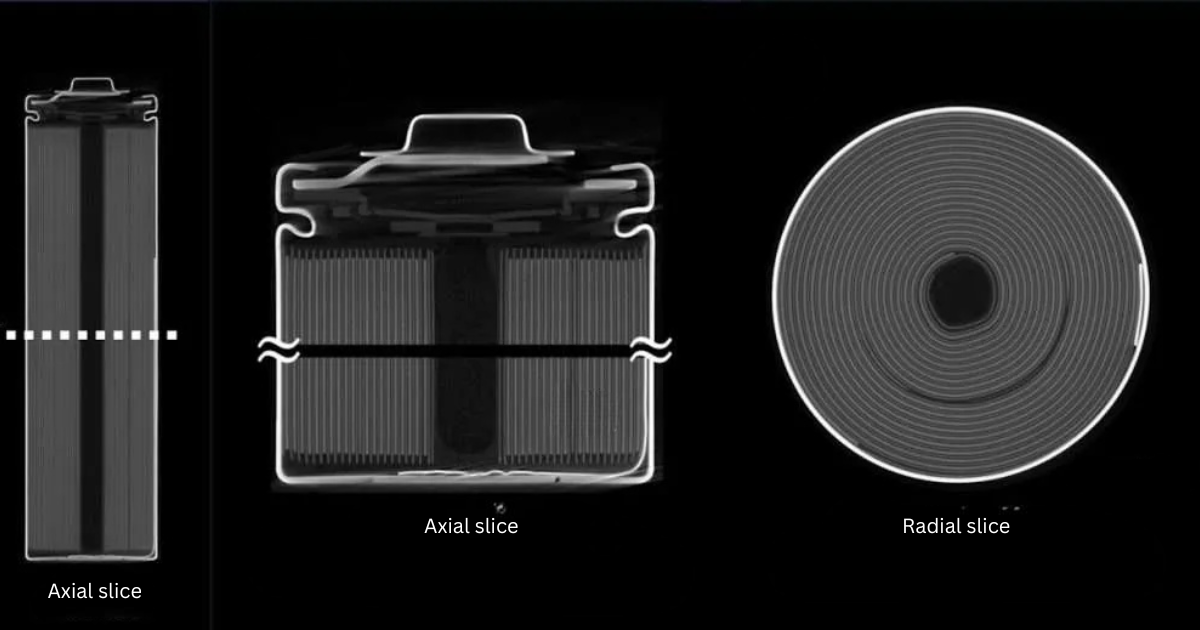
Quality, precision, and reliability are essential in the medical device industry, where even the smallest defect can impact patient safety and device performance. Medical devices often contain complex internal geometries, miniature components, and tightly assembled structures that are difficult to inspect using traditional measurement techniques. To ensure that these devices meet strict regulatory and quality standards, manufacturers increasingly rely on advanced inspection technologies such as CT measuring.
CT measuring enables nondestructive, high resolution inspection of both the internal and external structures of medical devices. By generating detailed 3D volumetric data, engineers can thoroughly analyze complex components without disassembling or damaging them. This capability is particularly valuable for devices that contain hidden features, delicate assemblies, or intricate internal channels.
Medical devices frequently include precision components such as implants, surgical instruments, microfluidic systems, and drug delivery mechanisms. Many of these devices incorporate internal cavities, miniature mechanical elements, and highly detailed geometries that must meet strict dimensional tolerances. CT measuring allows engineers to visualize these hidden features and perform accurate dimensional analysis to ensure that every component matches its intended design.
Using CT technology, manufacturers can detect internal defects such as voids, cracks, inclusions, or assembly misalignments that could compromise device performance. It also allows verification of internal channels, fluid pathways, and microstructures that are critical for the correct functioning of many medical devices.
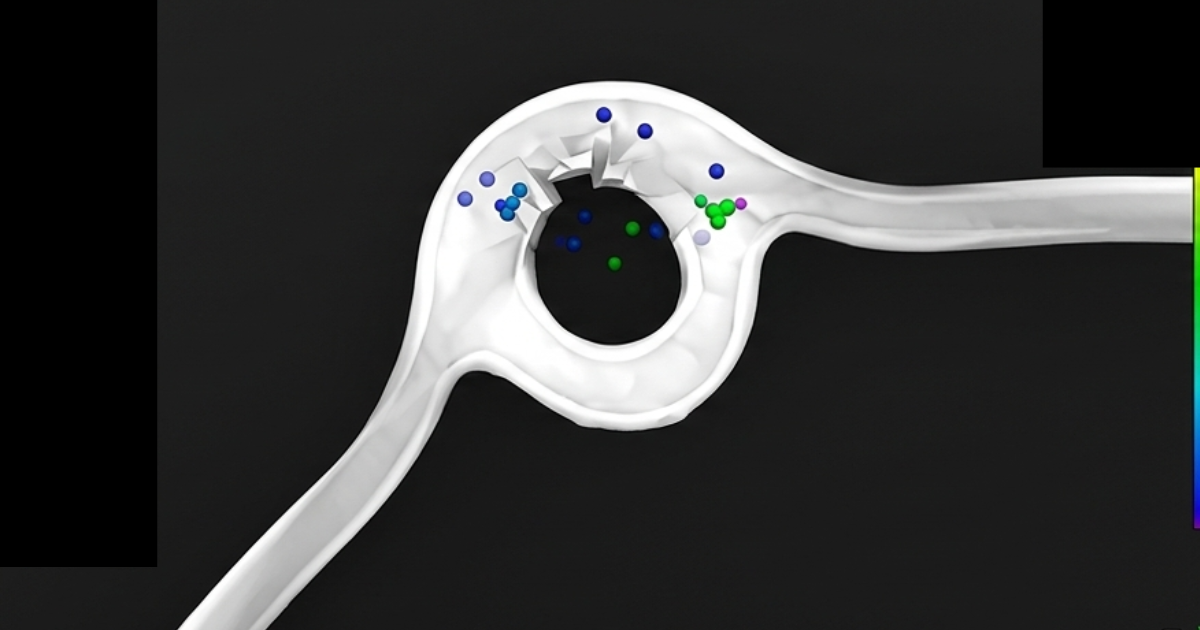
One major application of CT measuring is the inspection of implantable medical devices. Components such as orthopedic implants and dental implants often require extremely precise manufacturing to ensure proper fit, durability, and biocompatibility. CT measuring helps verify structural integrity, surface geometry, and internal consistency without damaging the implant.
CT technology is also widely used in the evaluation of drug delivery devices, including injectors and inhalers. It enables manufacturers to inspect internal mechanisms, verify assembly accuracy, and ensure that moving components function correctly. Additionally, CT measuring supports the inspection of micro scale medical components such as catheters, stents, and microfluidic devices, where internal channels and fine structures must be accurately manufactured.
Another important use is failure analysis and product validation. When devices fail during testing or use, CT measuring allows engineers to investigate internal structures while preserving the original condition of the component. This helps identify root causes and supports design improvements, ensuring safer and more reliable medical devices.
By providing detailed, nondestructive inspection capabilities, CT measuring plays a critical role in medical device manufacturing. It helps manufacturers maintain strict quality control, comply with regulatory requirements, and deliver safe, high performance medical technologies that healthcare professionals and patients can rely on.
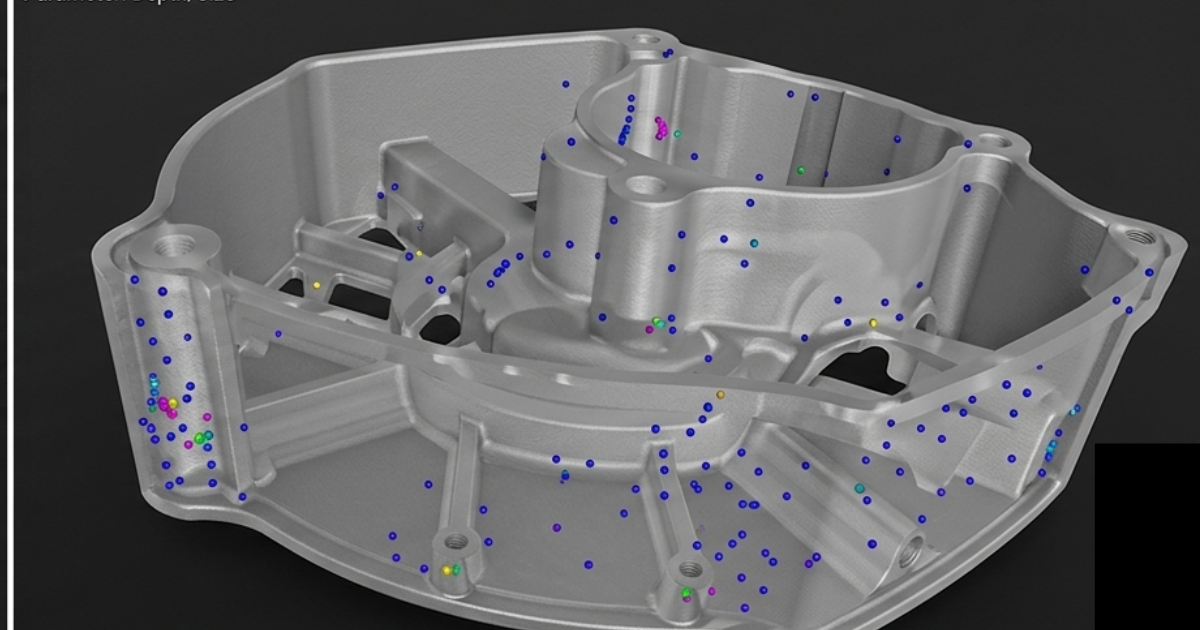
Quality control and precision are essential in modern industrial manufacturing, where components often feature complex geometries, tight tolerances, and high performance requirements. Traditional inspection methods can verify external surfaces effectively, but they often struggle to assess internal features without damaging the part. CT measuring addresses this limitation by providing a nondestructive way to inspect both internal and external structures with high accuracy.
CT measuring works by generating detailed 3D volumetric data of a component, allowing engineers to analyze internal structures that are otherwise inaccessible. This capability is especially valuable for parts produced through casting, machining, injection molding, and additive manufacturing. By visualizing internal features and material distribution, manufacturers can ensure that components meet design specifications and performance requirements.
In industrial manufacturing, maintaining consistent product quality is critical for efficiency, safety, and customer satisfaction. CT measuring enables comprehensive inspection of parts during different stages of the production process. Engineers can evaluate internal cavities, wall thickness variations, and hidden structures that cannot be inspected using conventional measurement tools.
The technology also allows for accurate dimensional measurement by comparing scanned data directly with original 3D CAD models. This comparison helps identify deviations, dimensional inaccuracies, or assembly issues before parts move further along the production line. Early detection of defects helps reduce scrap, minimize rework, and improve overall production efficiency.
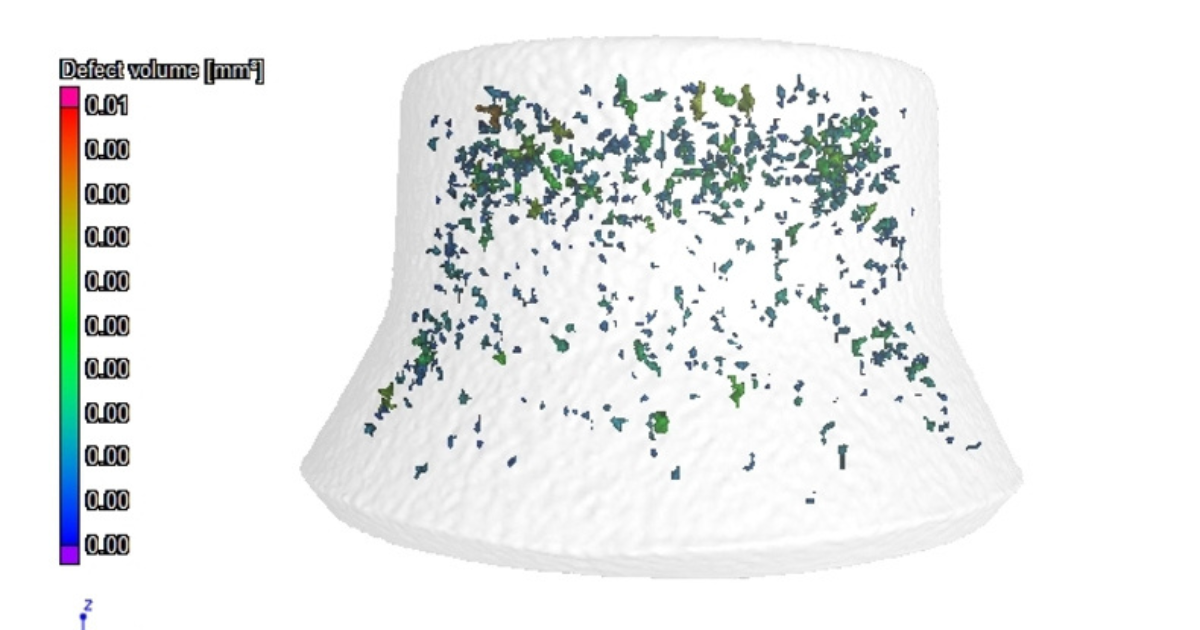
One of the most important uses of CT measuring is defect detection in manufactured parts. The technology can identify internal issues such as porosity, cracks, inclusions, shrinkage defects, and material inconsistencies that may affect product reliability. This is particularly useful for cast components and injection molded parts, where internal defects may not be visible from the outside.
CT measuring is also widely used for assembly verification. Complex industrial products often include multiple internal components that must fit and function together precisely. CT scanning allows engineers to inspect internal assemblies without disassembling the product, ensuring that parts are correctly positioned and properly integrated.
Another significant application is reverse engineering and product development. CT data can be used to create accurate digital models of existing components, which can then be analyzed, modified, or reproduced. This is especially useful when original design documentation is unavailable or when manufacturers need to improve legacy components.
By enabling detailed, nondestructive inspection and accurate dimensional analysis, CT measuring plays a vital role in modern industrial manufacturing. It helps manufacturers improve product quality, optimize production processes, and ensure that components meet strict engineering and performance standards.
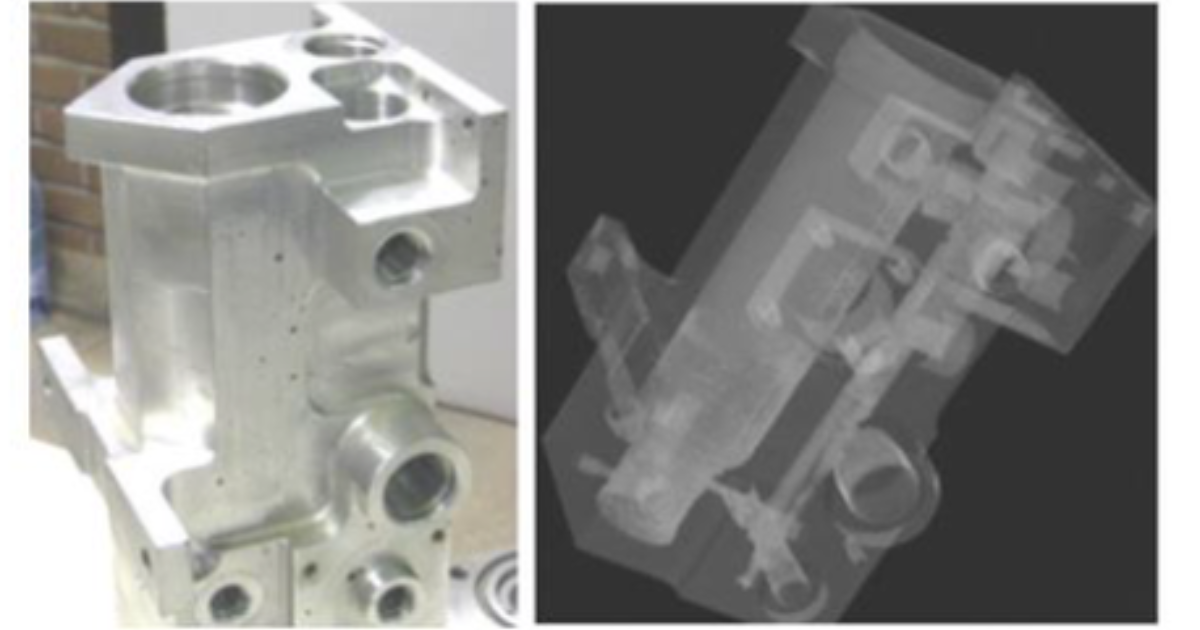
Maintaining strict quality standards is fundamental in the aerospace industry. Even minor defects in design or manufacturing can lead to significant financial losses, operational risks, and potential safety hazards. Because aircraft components must perform reliably under extreme conditions, manufacturers must ensure that every part meets rigorous engineering and safety requirements. As a result, advanced inspection technologies have become an essential part of modern aerospace quality assurance processes.
At the same time, the aerospace sector continues to evolve through technological innovation. Engineers are increasingly using advanced materials such as superalloys to enhance durability, thermal resistance, and mechanical strength. Additionally, additive manufacturing is gaining widespread adoption because it enables the production of lightweight components with optimized geometries and complex internal structures. These innovations improve aircraft efficiency and performance while allowing engineers to design parts that were previously impossible to manufacture using conventional methods.
Inspection and testing have always been key steps in verifying aerospace component quality. However, many aerospace parts are expensive, complex, and difficult to replace, making destructive testing impractical in many cases. Destroying a high-value component simply to assess its internal quality can result in unnecessary costs and production delays.
For this reason, non-destructive testing (NDT) methods are widely used throughout the aerospace industry. These techniques allow engineers to examine components without damaging them, preserving their usability while still verifying their structural integrity. Among these methods, industrial CT scanning has become one of the most powerful inspection technologies available. By generating detailed 3D images of both internal and external features, CT scanning allows engineers to evaluate complex geometries that would otherwise be inaccessible. It can reveal hidden defects such as cracks, voids, inclusions, porosity, variations in wall thickness, and leftover powder from additive manufacturing processes.
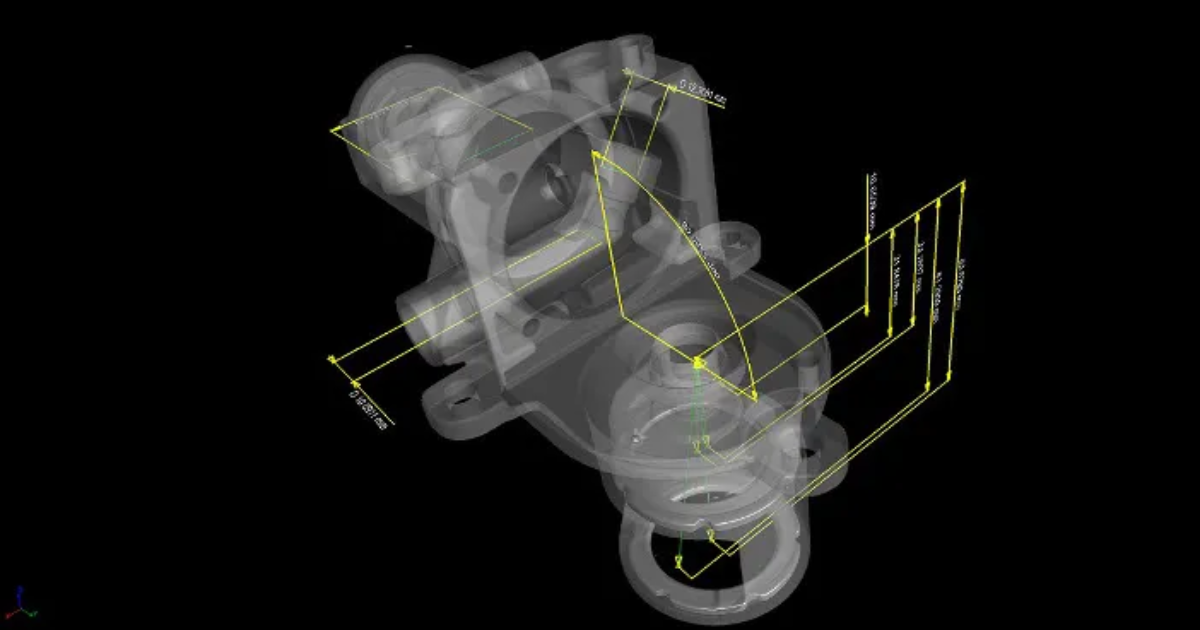
One of the primary uses of CT scanning is production quality verification. Manufacturers can compare scanned components with original 3D CAD models to confirm that every dimension and feature meets design specifications. CT data can also be used to analyze parts at different stages of production or after various treatments. Over time, the collected data can help track wear, detect crack progression, and evaluate structural changes during a component’s operational life. Additionally, CT scanning supports reverse engineering efforts by creating accurate digital models that can serve as long term records for legacy components.
Another important application is First Article Inspection (FAI). CT scanning provides precise dimensional data that enables engineers to validate complex designs and tolerances with high accuracy. The inspection process remains consistent even for components with intricate geometries. Different alignment strategies can also be applied depending on project requirements, including best fit alignment, datum based alignment, and feature-based alignment.
CT scanning is also highly valuable for failure analysis. When components fail during fatigue testing or operational use, CT imaging allows engineers to examine internal damage without altering the original failure state. This detailed internal view helps identify root causes of failure, providing critical insights that support design improvements and enhance overall system reliability.
By enabling comprehensive, non-destructive evaluation of aerospace components, CT scanning plays a vital role in ensuring safety, improving manufacturing quality, and supporting the development of next-generation aerospace technologies.
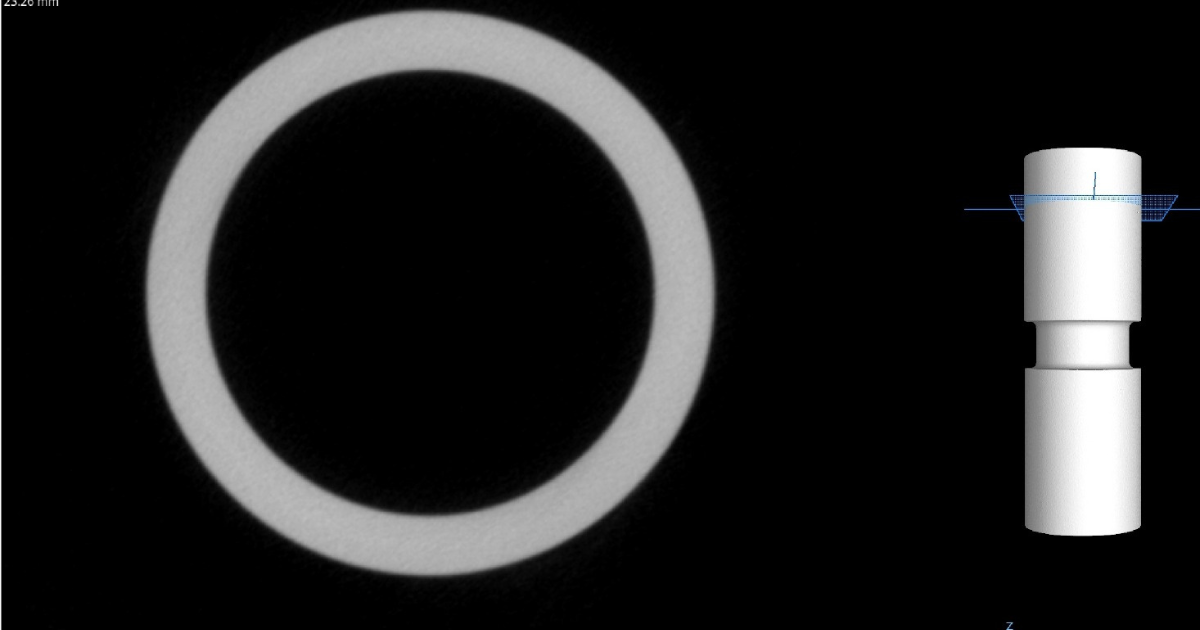
In today’s advanced manufacturing landscape, CT measuring has become an indispensable tool for ensuring product quality, reliability, and safety. Its ability to capture detailed internal structures without damaging components makes it especially valuable for industries where precision and defect detection are critical. From inspecting miniature electronic assemblies and validating medical devices to analyzing complex industrial parts and aerospace components, CT measuring supports comprehensive quality control and engineering analysis. As industries continue to adopt innovative materials, miniaturized designs, and complex manufacturing techniques, CT measuring will remain a key technology for improving inspection accuracy, reducing risk, and enabling the development of high performance products across a wide range of applications.
© 2026 RA Global Tech Solutions
Site design and developed by Rajkar Global